



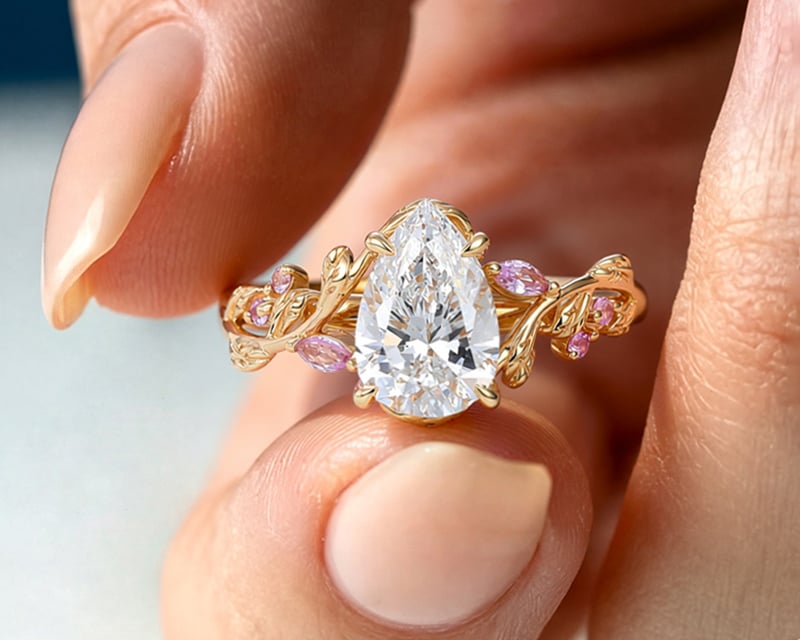



















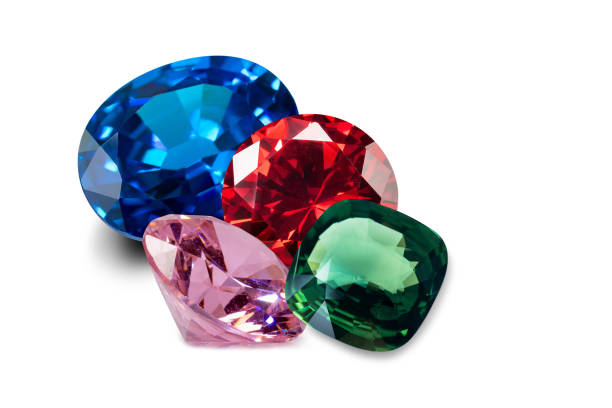
Diamonds have long been the go-to choice for engagement rings, but many couples are now exploring stunning alternatives. Whether for reasons of personal taste, ethical considerations, or budget, non-diamond engagement rings offer a world of beautiful options. Here are the top five most popular non-diamond engagement rings that captivate with their unique charm and elegance.
Overview: Sapphires are one of the most popular alternatives to diamonds, renowned for their deep blue hue but available in a range of colors including pink, yellow, and green.
Why They're Popular:
- Exceptional Durability: Sapphires rank 9 out of 10 on the Mohs hardness scale, just below diamonds. This hardness makes sapphires incredibly resistant to scratches and everyday wear and tear, ensuring that your engagement ring will maintain its beauty and integrity for a lifetime. This durability is crucial for a piece of jewelry that is meant to be worn daily and cherished forever.
- Rich Symbolism and Meaning: Emeralds have been associated with various symbolic meanings throughout history. They are often linked to fertility, rebirth, and love, making them an apt choice for engagement rings, which symbolize the start of a new life together. The stone is also believed to bring good fortune and happiness, adding an extra layer of significance to its already powerful symbolism.
- Vibrant Color Options: While blue sapphires are the most well-known, sapphires come in an array of stunning colors, including pink, yellow, green, and even white. This variety allows couples to choose a gemstone that best reflects their personal style and preferences. The classic blue sapphire is timeless and elegant, while other colors can offer a unique and personalized touch.

- Regal Heritage: Sapphires have been favored by royalty for centuries. One of the most famous examples is the sapphire engagement ring worn by Princess Diana, which is now worn by Kate Middleton. This association with royalty and elegance makes sapphire engagement rings particularly desirable for those looking to add a touch of regal charm to their engagement.
- Ethical and Sustainable Choice: Many sapphires are sourced from mines with better labor practices compared to some diamond mines. Additionally, lab-grown sapphires are available, which offer an ethical and environmentally friendly alternative. These factors can be important for couples who prioritize ethical considerations in their purchasing decisions.
- Unique and Timeless Appeal: Sapphires offer a distinctive alternative to diamonds that can stand out and make a statement. Their rich colors and historical significance give them a timeless appeal that transcends trends. Whether set in a modern or vintage-inspired design, sapphire engagement rings are both unique and enduring.
Style Tips: Sapphire rings often feature a classic solitaire setting or are surrounded by diamond halos to enhance their vibrant color. Pairing a blue sapphire with white gold or platinum can create a timeless and elegant look, while colored sapphires can add a unique twist to more modern designs. For a vintage aesthetic, consider intricate settings with milgrain details or filigree work that highlights the gemstone’s beauty.
Overview: Emeralds are cherished for their rich green color and unique inclusions known as “jardin,” which make each stone distinct. These beautiful gemstones have captivated the hearts of many throughout history and continue to be a popular choice for engagement rings.
Why They're Popular:
- Unique and Captivating Color: Emeralds are renowned for their vibrant green hue, a color that is not only striking but also symbolizes nature, renewal, and life. This distinctive color can make an engagement ring truly stand out, offering a refreshing alternative to the traditional diamond. The intense green of an emerald is often associated with luxury and elegance, making it a perfect choice for those looking to make a bold statement.
- Rich Symbolism and Meaning: Emeralds have been associated with various symbolic meanings throughout history. They are often linked to fertility, rebirth, and love, making them an apt choice for engagement rings, which symbolize the start of a new life together. The stone is also believed to bring good fortune and happiness, adding an extra layer of significance to its already powerful symbolism.
- Historical and Cultural Significance: Emeralds have been prized for thousands of years and were particularly beloved by ancient royalty. Cleopatra, one of the most famous queens of ancient Egypt, was known for her passion for emeralds. This long-standing association with royalty and prestige adds a touch of historical romance and grandeur to emerald engagement rings.
- Unique Inclusions: Unlike diamonds, where clarity is often prized, emeralds are known for their inclusions, sometimes called “jardin” (French for garden). These natural inclusions give each emerald a unique character and depth, making every stone one-of-a-kind. This uniqueness can be particularly appealing for those who value individuality and distinctiveness in their engagement ring.
- Emotional and Psychological Benefits: Emeralds are believed to have calming and balancing properties, which can promote emotional well-being. This can be an attractive feature for an engagement ring, as it symbolizes not only love but also harmony and balance in the relationship. The soothing green color is thought to bring peace and tranquility to the wearer.

Style Tips: Emeralds look stunning in vintage settings, often paired with yellow or white gold to complement their color. Halo settings, where the emerald is surrounded by smaller diamonds, can enhance the gemstone’s natural beauty and create a sparkling contrast. For a more contemporary look, consider an emerald in a bezel setting or combined with other colored gemstones to create a unique and personalized design.
Overview: Moissanite is a lab-created gemstone that closely resembles diamonds in appearance and brilliance but is more affordable.
Why They're Popular:
- Exceptional Brilliance and Fire: Moissanite is renowned for its incredible brilliance and fire, often exhibiting more sparkle than a diamond due to its higher refractive index. This quality makes moissanite a dazzling and eye-catching choice for an engagement ring.
- Affordability: One of the most appealing aspects of moissanite is its affordability. It costs significantly less than diamonds, allowing couples to choose larger or more elaborate settings without exceeding their budget. This makes it possible to have a stunning ring that doesn’t compromise on appearance.
- Durability: With a rating of 9.25 on the Mohs hardness scale, moissanite is highly durable and resistant to scratching and abrasion. This makes it suitable for everyday wear, ensuring that the ring will remain beautiful over time.
- Ethical and Environmental Considerations: Moissanite is a lab-created gemstone, which means it does not require mining. This makes it an environmentally friendly and ethically sound choice. For couples concerned about the environmental and social impacts of traditional gemstone mining, moissanite offers a guilt-free alternative.
- Versatility in Design: Moissanite is available in a variety of cuts and shapes, from classic round and princess cuts to more unique shapes like oval, pear, and marquise. This versatility allows for a wide range of design possibilities, catering to different tastes and styles.
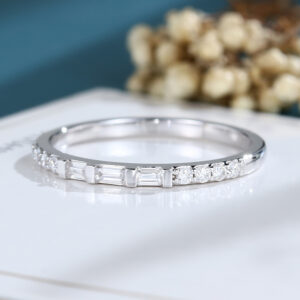
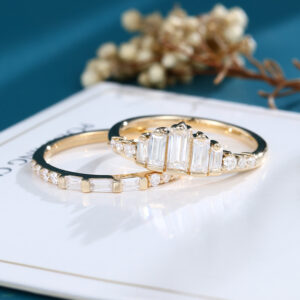
- Clarity and Color: High-quality moissanite is typically flawless and colorless, often surpassing diamonds in clarity. This ensures a crystal-clear stone with exceptional visual appeal, free from the inclusions and color tints that can affect diamonds.
Style Tips: Moissanite shines in modern, sleek designs and can be a perfect choice for those who want the diamond look without the diamond price. It pairs well with a variety of metal settings, including white gold, platinum, and rose gold. Consider a solitaire setting to showcase its brilliance or a halo setting for added sparkle.
Overview: Morganite, a pink to peachy-pink variety of beryl, has gained popularity for its soft, romantic hue. This gemstone is part of the same mineral family as emeralds and aquamarines, offering a beautiful alternative for those seeking something different from traditional diamonds.
Why They're Popular:
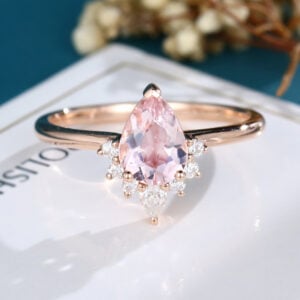
- Romantic and Unique Color: Morganite is celebrated for its delicate pink and peach tones, which exude a sense of romance and elegance. This unique color is perfect for those who want an engagement ring that stands out with a soft, feminine touch. The gentle hues of morganite can range from pale pink to a deeper peach, allowing for customization based on personal preference.
- Symbolism of Love and Compassion: Morganite is often associated with love, compassion, and emotional healing. Its pink color symbolizes gentle, nurturing love, making it an ideal choice for an engagement ring that represents a deep and caring relationship. This symbolism adds a meaningful layer to the ring, making it more than just a beautiful piece of jewelry.
- Affordability: Compared to diamonds and other precious gemstones, morganite is relatively affordable. This allows couples to select larger stones or more intricate settings without compromising their budget. The cost-effectiveness of morganite makes it possible to have a stunning and unique engagement ring that doesn’t break the bank.
- Complements a Variety of Settings: Morganite’s soft color pairs beautifully with various metal settings, particularly rose gold, which enhances its pink tones. However, it also looks stunning in white gold, yellow gold, and platinum settings. This versatility allows for a wide range of design possibilities, from vintage-inspired rings to modern, minimalist styles.
- Good Durability: With a rating of 7.5 to 8 on the Mohs hardness scale, morganite is durable enough for everyday wear with proper care. While it is not as hard as diamonds or sapphires, its durability is sufficient for an engagement ring, provided it is worn with a bit of caution to avoid scratches and chips.
- Ethical and Sustainable Choice: Morganite, like other beryls, can be sourced ethically from mines with responsible labor practices. Additionally, lab-grown morganite is available, offering an environmentally friendly and conflict-free alternative. This makes morganite an excellent choice for those concerned with ethical considerations in their jewelry purchase.
Style Tips: Morganite pairs beautifully with rose gold settings, enhancing its warm tones and romantic appeal. Consider a cushion or oval cut to emphasize the stone’s brilliance and color. Halo settings, where the morganite is surrounded by small diamonds, can add extra sparkle and make the center stone appear larger. For a vintage look, opt for intricate settings with milgrain details or filigree work. Modern designs can feature simple, clean lines to highlight the gemstone’s natural beauty.
Overview: Rubies, known for their vibrant red color, are a symbol of passion and love. These gemstones have been treasured for centuries and are often considered one of the four precious gemstones, alongside diamonds, sapphires, and emeralds.
Why They're Popular:
- Vibrant and Striking Color: Rubies are prized for their rich red color, which can range from deep, dark red to lighter, more pinkish hues. This vibrant color is associated with passion, love, and vitality, making rubies an ideal choice for an engagement ring that symbolizes a deep, passionate connection. The striking red hue ensures that a ruby engagement ring will stand out and make a bold statement.
- Historical and Cultural Significance: Rubies have a long history of being cherished by royalty and the elite. They have been featured in numerous crown jewels and are often referred to as the “king of gemstones.” This association with power, wealth, and romance adds a layer of historical grandeur to ruby engagement rings, making them both timeless and luxurious.
- Symbolism of Love and Passion: The red color of rubies is often associated with the heart, making them a powerful symbol of love, passion, and commitment. Wearing a ruby engagement ring can symbolize the intensity and depth of the wearer’s feelings, making it a meaningful choice for such a significant piece of jewelry.
- Durability: With a rating of 9 on the Mohs hardness scale, rubies are extremely durable and suitable for everyday wear. This hardness ensures that the gemstone can withstand the rigors of daily life without scratching or chipping easily, maintaining its beauty over time.
- Unique and Distinctive: Rubies are relatively rare compared to other gemstones, especially high-quality ones with rich, consistent color and few inclusions. This rarity makes ruby engagement rings unique and distinctive, appealing to those who desire something special and uncommon.
- Ethical and Sustainable Options: Like other precious gemstones, rubies can be sourced ethically from mines with responsible labor practices. Additionally, lab-grown rubies are available, providing a sustainable and conflict-free alternative. These options ensure that couples can make a choice that aligns with their values and ethical considerations.
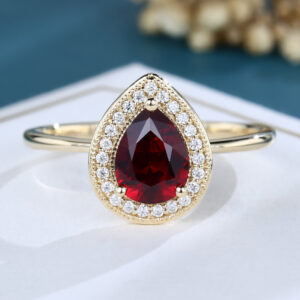
Style Tips: Rubies often look regal in classic settings, particularly when paired with yellow or white gold. A halo setting, where the ruby is surrounded by smaller diamonds, can enhance its brilliance and make the center stone appear larger. For a more vintage look, consider settings with intricate details, such as filigree or milgrain. Modern designs can feature sleek lines and minimalistic settings to highlight the vibrant color of the ruby. Combining rubies with other gemstones, like diamonds or sapphires, can also create a striking and unique design.
Conclusion
Choosing a non-diamond engagement ring offers a unique and meaningful way to symbolize your love and commitment. From the regal allure of sapphires and the vibrant passion of rubies to the soft romance of morganite and the dazzling brilliance of moissanite, each gemstone provides its own distinct beauty and significance. Emeralds, with their rich color and historical charm, also make a captivating choice. These non-diamond alternatives not only stand out for their exceptional qualities and rich symbolism but also cater to a variety of styles and ethical considerations. Whether driven by personal taste, budget, or values, selecting a non-diamond engagement ring can result in a stunning and unique representation of your enduring love.