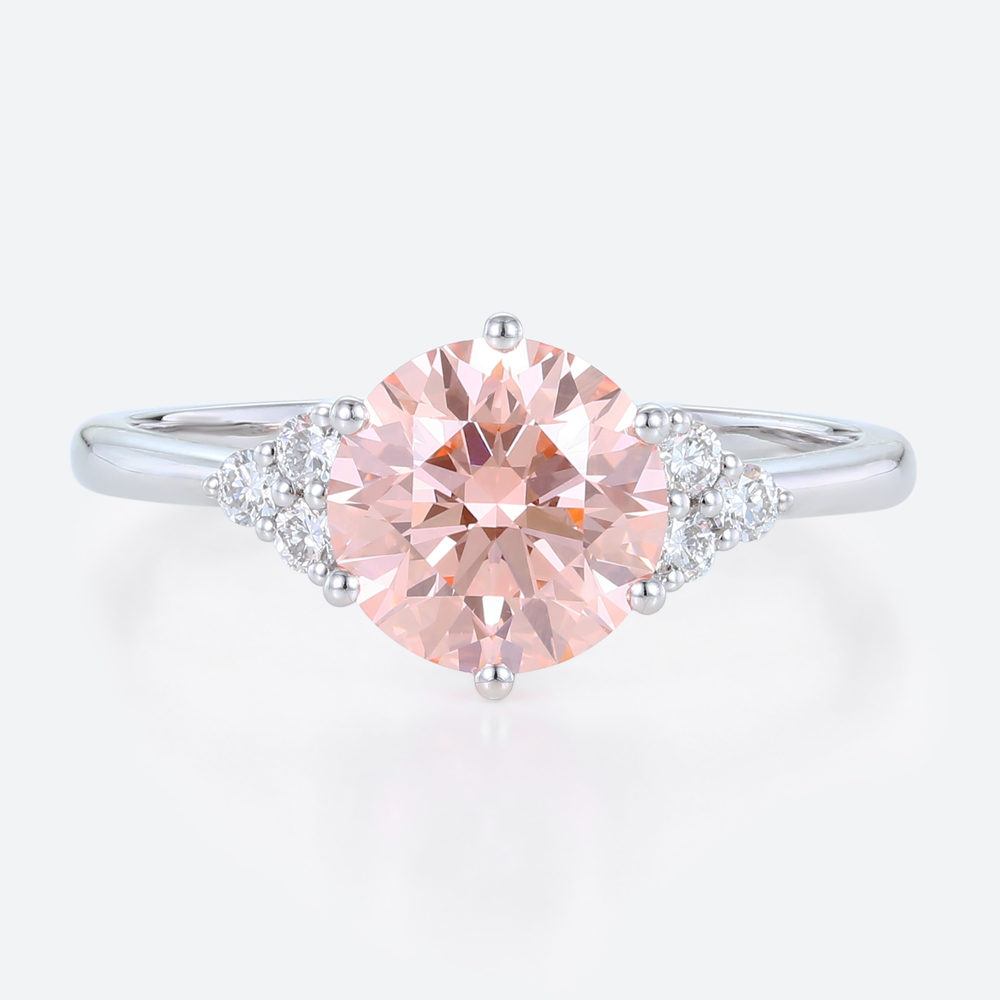
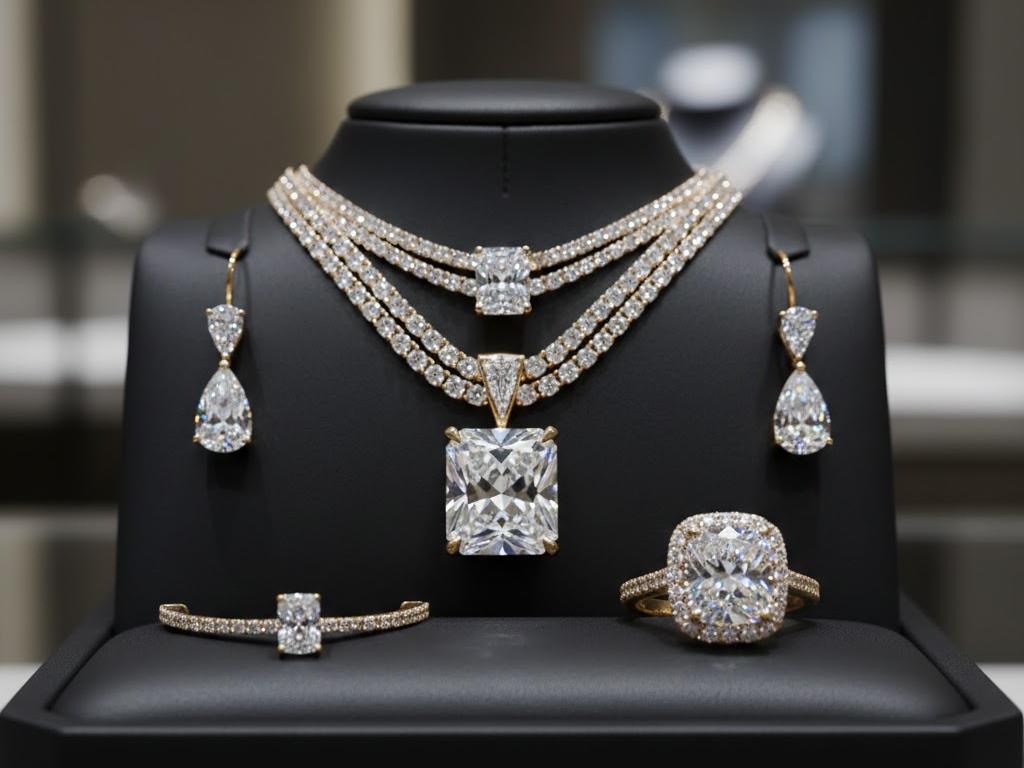
Owning a piece of fine jewelry is a source of lifelong joy, but keeping that diamond jewelry as radiant as the day you first saw it requires consistency. Whether you are wearing daily engagement rings or a stunning lab diamond pendant, understanding the nuances of maintenance is essential. Because grown diamonds are chemically identical to those from the earth, they require the same level of attention to ensure their brilliance remains a permanent fixture of your collection.
At LisaJewelryUS, we believe that the value of your jewelry is preserved through proper education. This guide is designed to help consumers understand the best daily habits to protect the diamond's surface. From avoiding harsh chemicals to establishing a care for your lab routine, we will show you how to maintain the shine of your lab grown diamonds through every season.
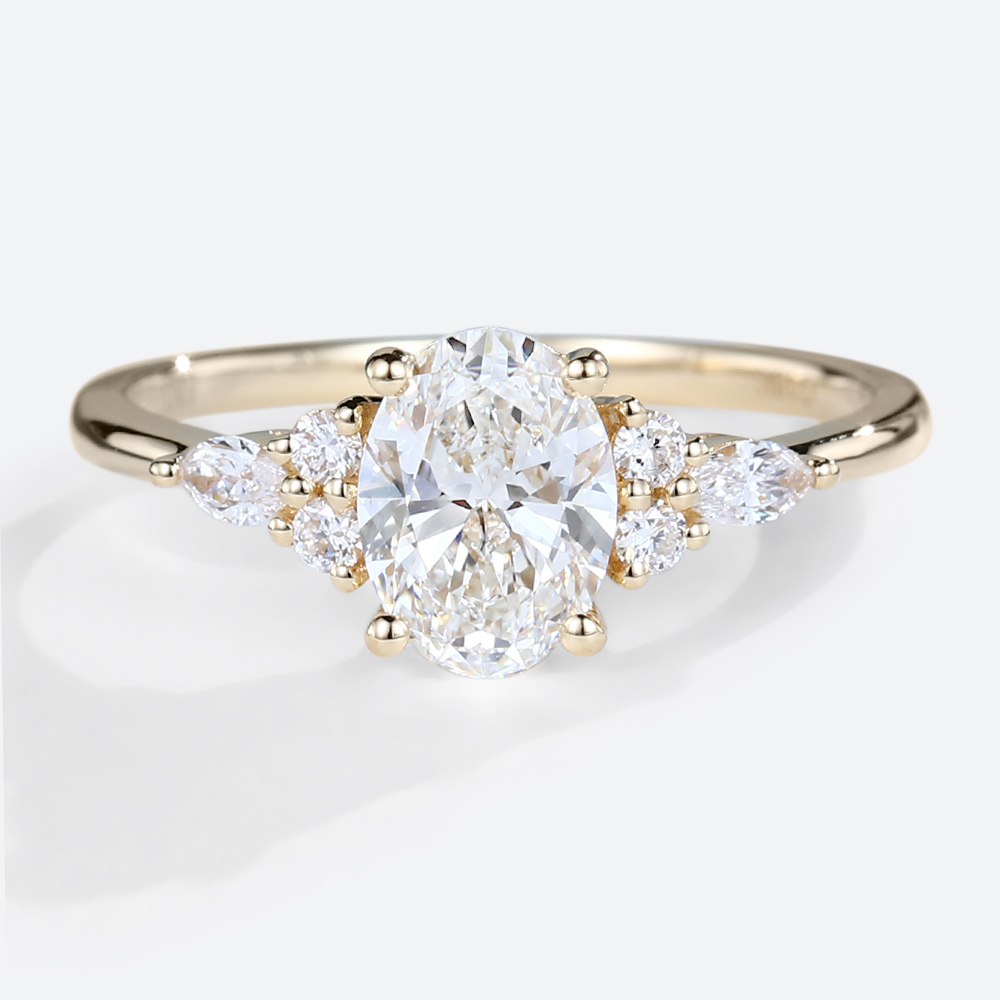
I. Establishing Daily Habits to Protect the Diamond's Surface
The most effective way to ensure your lab grown diamond jewelry stays beautiful is to prevent the buildup of oils and dirt before they dull the stone. Your lab diamond ring is particularly susceptible to daily wear, as it comes into contact with everything from hand lotions to cooking oils. To keep your ring sparkling, it is vital to avoid harsh chemicals found in common household cleaners, which can eventually damage both the precious metals and the lab grown diamonds themselves.
Protecting Your Precious Metals and Settings
The metal used in your fine jewelry—whether it is 14k gold or platinum—is just as important as the diamond. Over time, exposure to abrasive materials can scratch the polish of your gold band or weaken the worn prongs that hold your lab diamond in place. To prevent this, make it a habit to remove your diamond jewelry before exercising, gardening, or cleaning.
Safe Storage for Your Collection
When you aren't wearing your pieces, how you store lab grown diamonds matters. Never toss your loose stones or lab grown diamond rings together in a drawer where they can scratch each other. Instead, use a soft lined jewelry box or a fabric lined jewelry box. Keeping each piece in its own section of a jewelry box ensures that the diamond's surface remains flawless and the brilliance of your grown diamonds is never compromised by accidental contact.
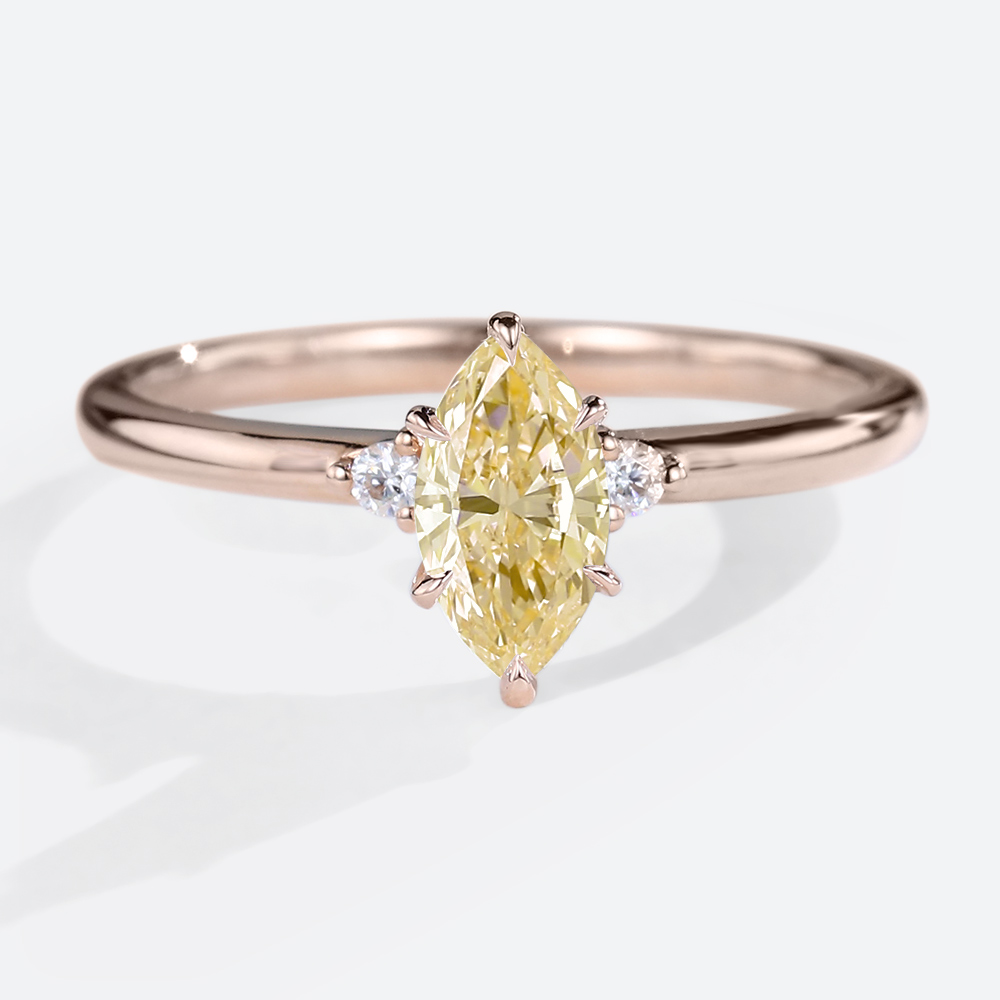
II. The Best Way to Clean Lab-Grown Diamonds: A Professional Routine at Home
To maintain the quality and sparkle of your fine jewelry, you don't always need a professional jeweler. You can achieve a professional cleaning result using simple household items. The goal is to remove the soap residue and skin oils that accumulate on the largest facet and underside of the stone, which can significantly dim its light performance.
The Gentle Soak Method
For a safe home cleaning, start with a small bowl of warm water mixed with a few drops of mild dish soap or a specific mild soap designed for precious metals. Submerge your lab diamond ring or earrings for about 20 to 30 minutes. This soaking period helps loosen the grime without the need for ultrasonic cleaners, which can sometimes be too intense for certain fancy shapes or fragile metal settings.
Precision Scrubbing and Rinsing
Use a soft toothbrush to gently scrub the diamond's surface and the hard-to-reach areas around the setting.
Pay close attention to the table and the girdle, as these areas collect the most soap residue.
Rinse the piece thoroughly under warm water to ensure no film is left behind.
Finally, dry your jewelry with a lint free cloth or a soft cloth to prevent water spots and restore its original shine.
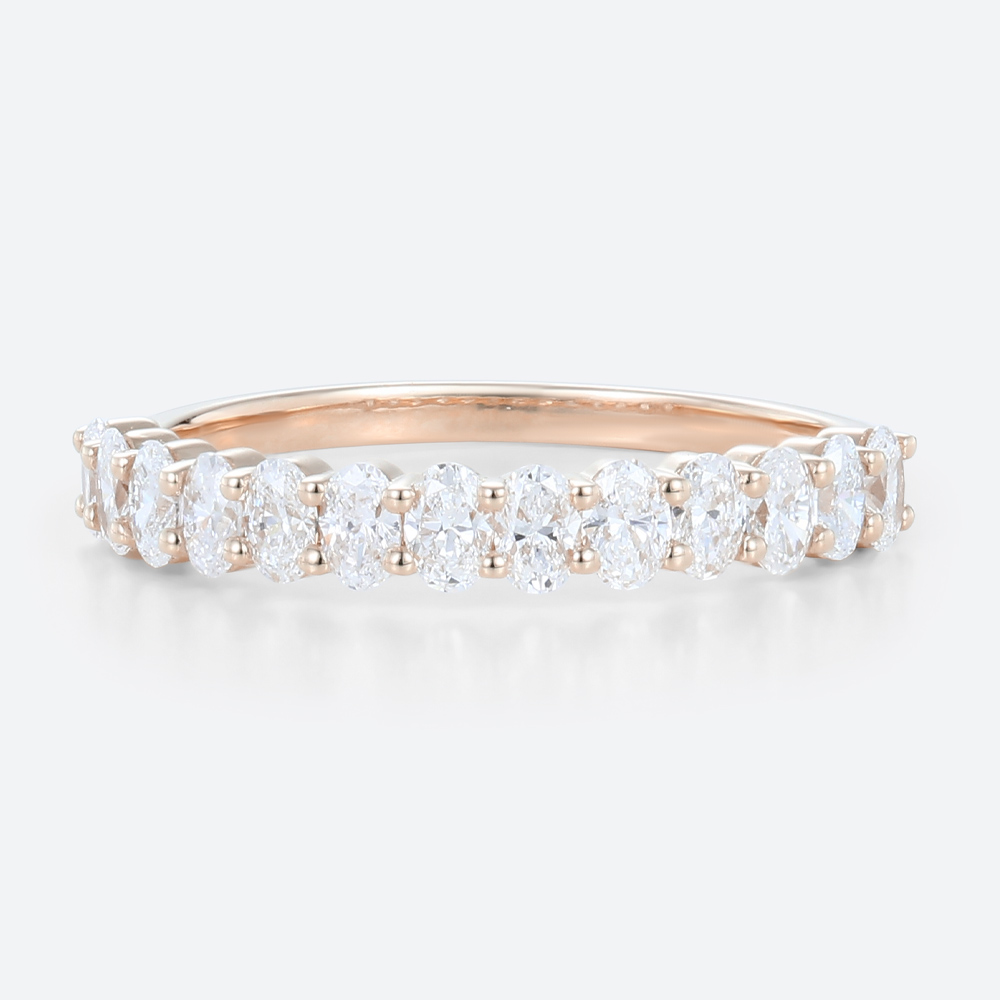
III. Seasonal Maintenance: Protecting Grown Diamonds Year-Round
The value of your lab grown diamond jewelry is also affected by environmental changes. Different seasons bring unique challenges to the metal and the security of your lab diamonds.
Summer Heat and Harsh Chemicals
During the summer, your jewelry is often exposed to intense heat and harsh chemicals like chlorine in pools or the salt in seawater. These abrasive materials can erode the polish of your 14k or 18k gold settings. Always rinse your ring sparkling clean after a day at the beach to protect the metal from corrosion.
Winter Cold and Worn Prongs
In the winter, the cold can cause your fingers to shrink, making it easier for engagement rings to slip off. More importantly, the expansion and contraction of precious metals in extreme temperature shifts can lead to worn prongs. We recommend visiting a professional jeweler at least twice a year to verify the security of your stone.
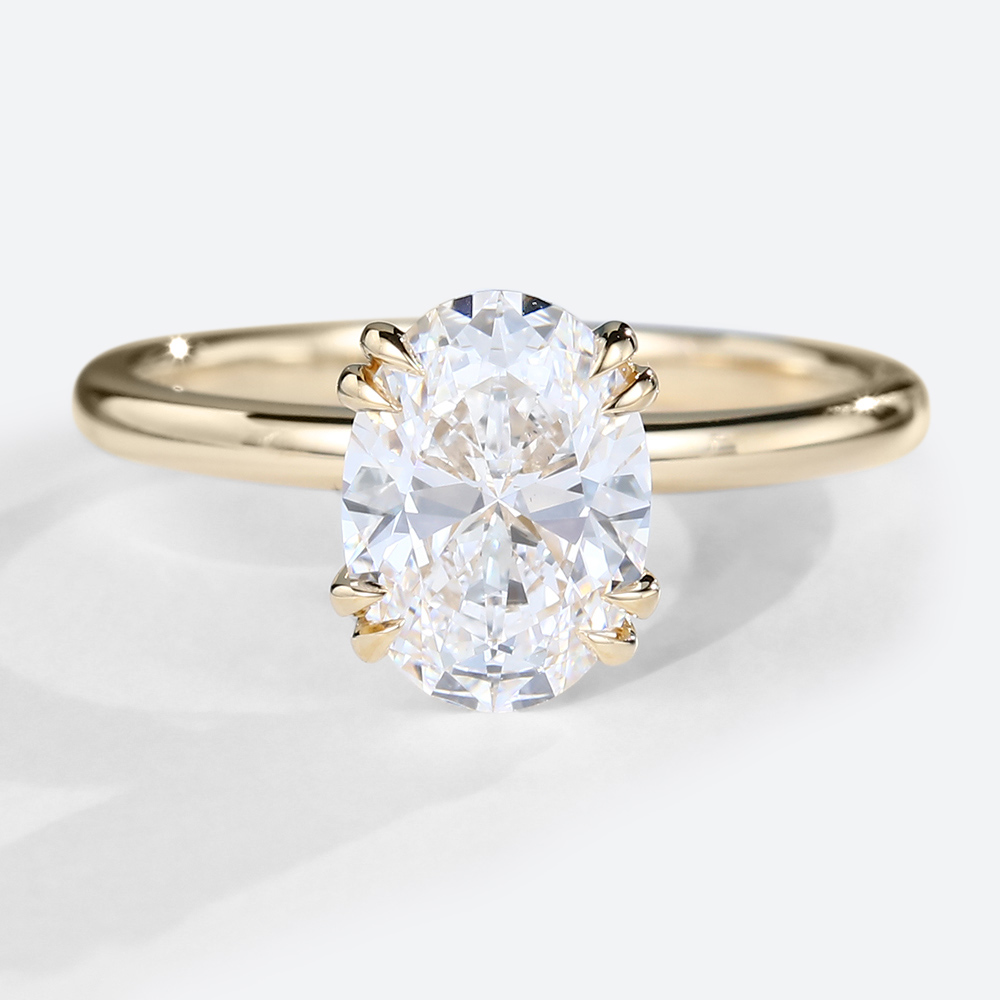
The Price of Maintenance vs. The Price of Repair
The price of a simple at home cleaning is nearly zero, but the price of replacing a lost lab diamond due to worn prongs is much higher. Regular checks ensure your connection to your jewelry remains strong. Whether you are looking at the retail value of your collection or simply want to keep your engagement rings in top quality, seasonal care is a non-negotiable part of owning laboratory grown diamonds.
IV. How to Store Lab Grown Diamonds to Prevent Damage
The longevity of your fine jewelry is not just about how you clean it, but how you protect it when it is not being worn. Many owners of lab grown diamond jewelry make the mistake of storing their collection together, which can lead to scratches on the diamond's surface or the polish of the metal.
Using a Soft Lined Jewelry Box
To maintain the quality and brilliance of your grown diamonds, you should always use a fabric lined jewelry box or a soft lined jewelry box. These containers provide a protective barrier against the environment. Each lab diamond ring, necklace, and bracelet should have its own compartment to ensure that the hard diamond edges of one piece do not scratch the 14k or 18k gold of another.
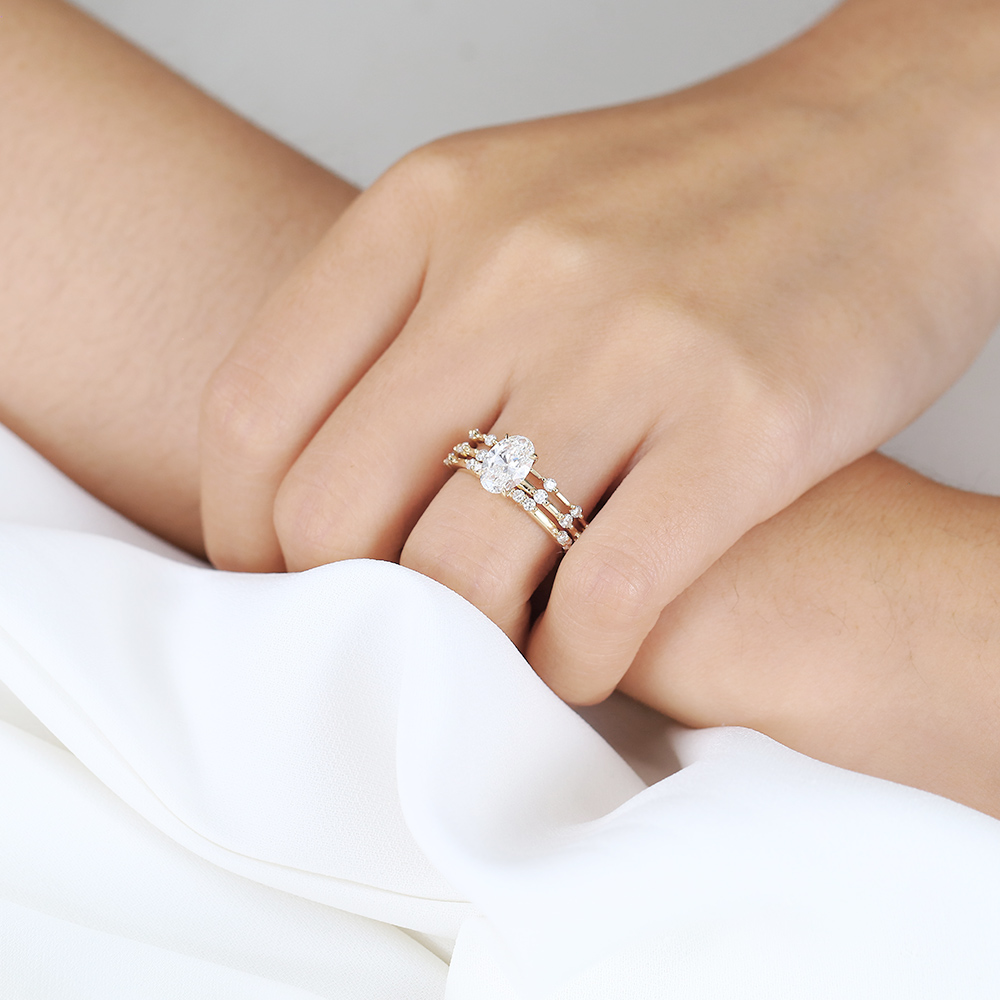
Protecting Loose Stones and Delicate Settings
If you own loose stones waiting to be crafted into a custom setting, keep them in a secure, padded pouch. For finished diamond jewelry, a dedicated jewelry box helps you avoid harsh chemicals in the air and prevents the accumulation of dust. This simple step ensures that your ring sparkling stays that way for much longer, preserving the retail value and the emotional connection of your investment.
V. Summary: The Value of Consistent Care
Maintaining your lab diamond jewelry is a simple yet vital task that protects your investment. From using warm water and mild soap for a professional cleaning at home, to storing your collection in a fabric lined jewelry box, these daily habits ensure your grown diamonds never lose their brilliance. By avoiding abrasive materials and harsh chemicals, you ensure that the price you paid for your jewelry translates into a lifetime of sparkle and shine. At LisaJewelryUS, we are committed to helping you care for your lab stones so that every connection remains as bright as the day it began.