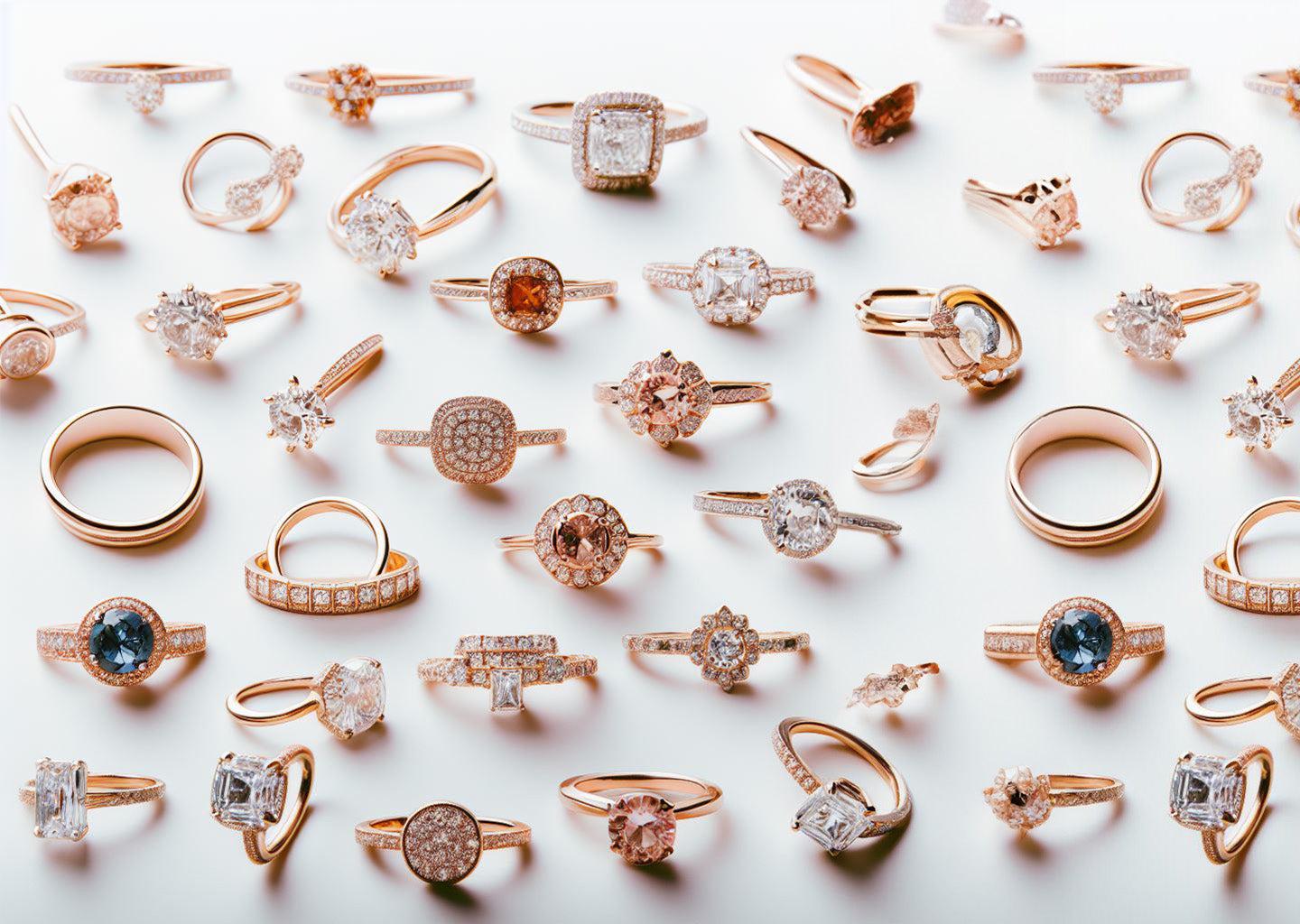
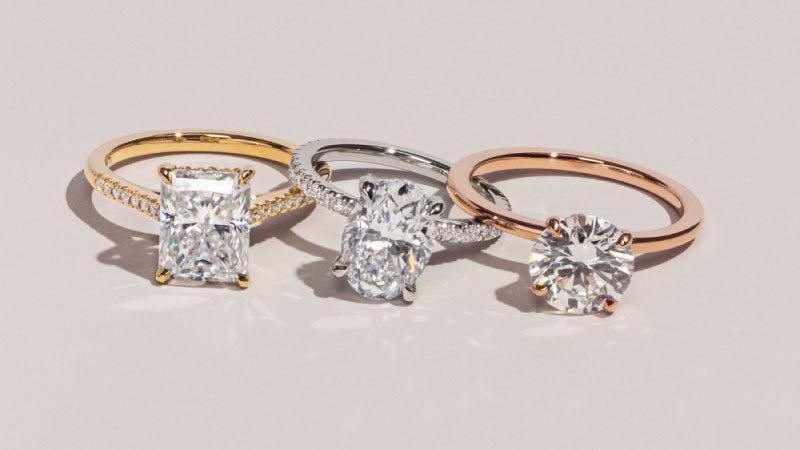
I. Engagement Ring Metals Guide Quick Comparison
Choosing the right metal is one of the most important parts of buying an engagement ring.
The metal affects:
the ring’s appearance
durability
maintenance
comfort for everyday wear
overall price
And while many people focus mainly on the diamond, the ring metal actually plays a huge role in the final look and feel of the piece.
In this Engagement Ring Metals Guide, we’ll compare the most popular engagement ring metals and help you decide which option best matches your:
personal style
lifestyle
budget
center stone
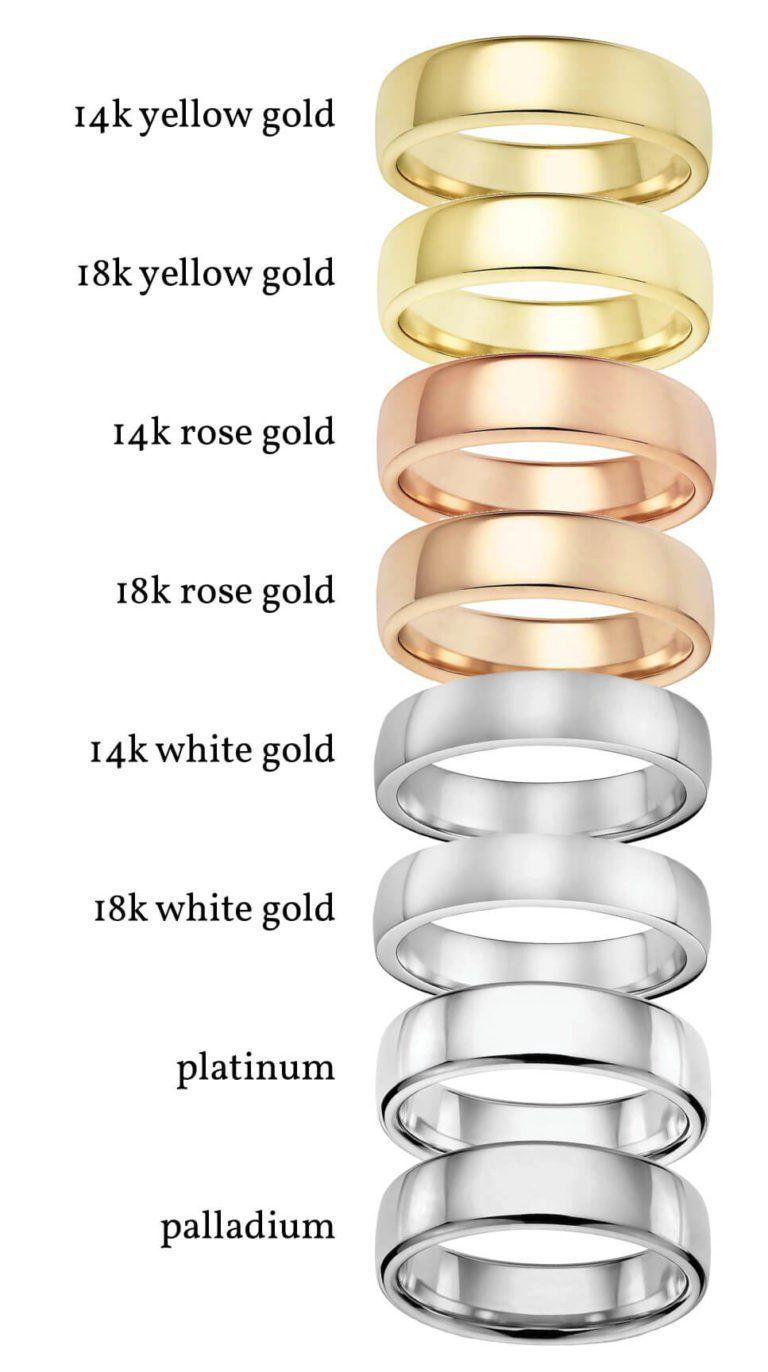
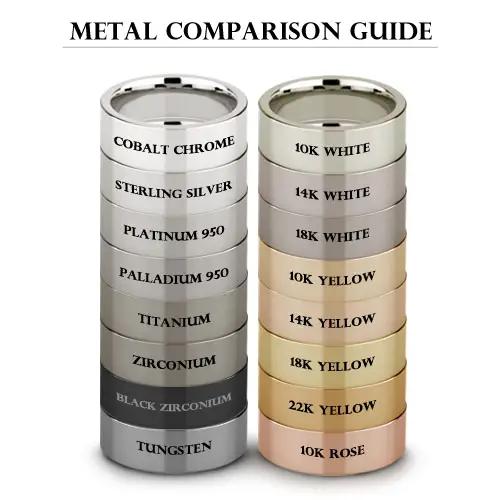
The most common engagement ring metal types today include:
white gold
yellow gold
rose gold
platinum
palladium ring options
Each metal has its own strengths, aesthetic, and price point.
White Gold Engagement Rings
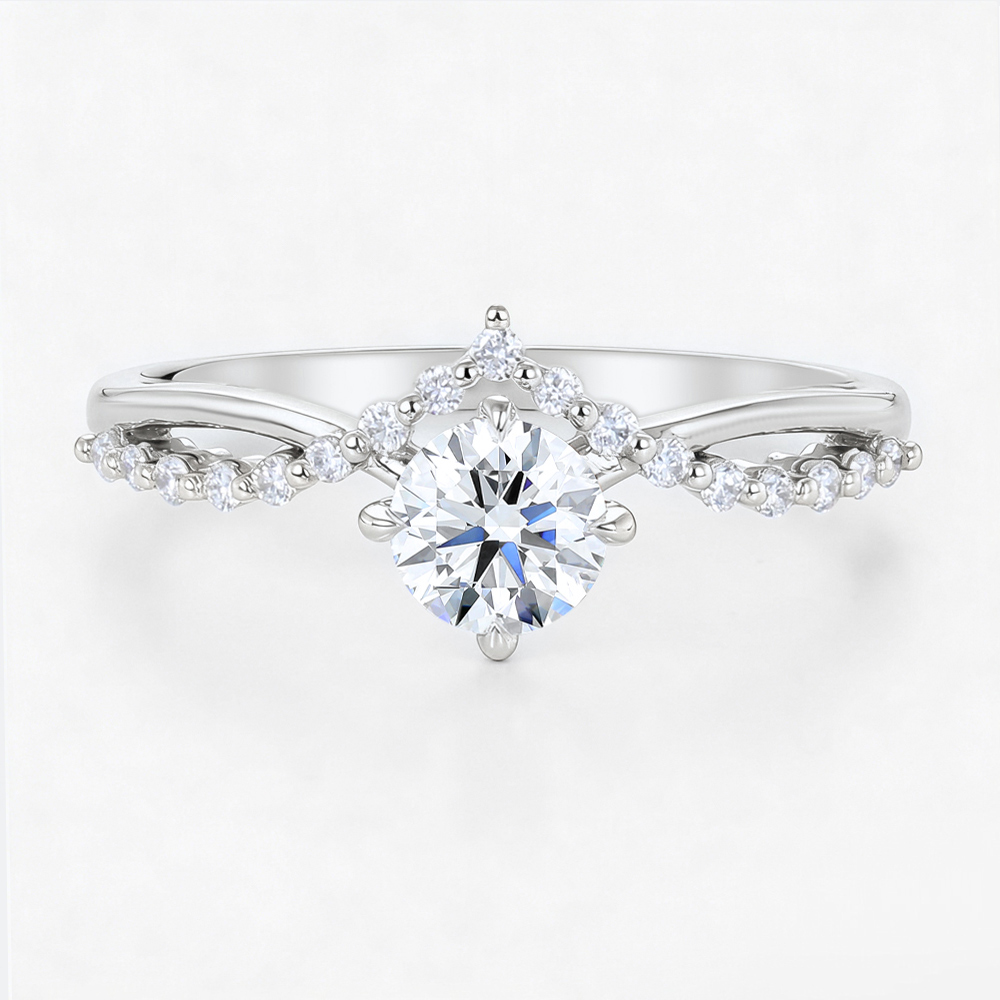
White gold remains one of the most popular choices for modern engagement rings.
Its bright silver-white appearance pairs beautifully with:
natural diamonds
minimalist jewelry styles
Most white gold rings are made using gold alloys mixed with white metals like palladium or nickel, then finished with rhodium plating for extra brightness.
Because of its clean and modern look, white gold works especially well for:
classic solitaire rings
hidden halo settings
contemporary engagement rings and wedding bands
White gold is also more affordable than platinum, making it a popular choice for buyers who want luxury style at a lower price.
Yellow Gold Engagement Rings
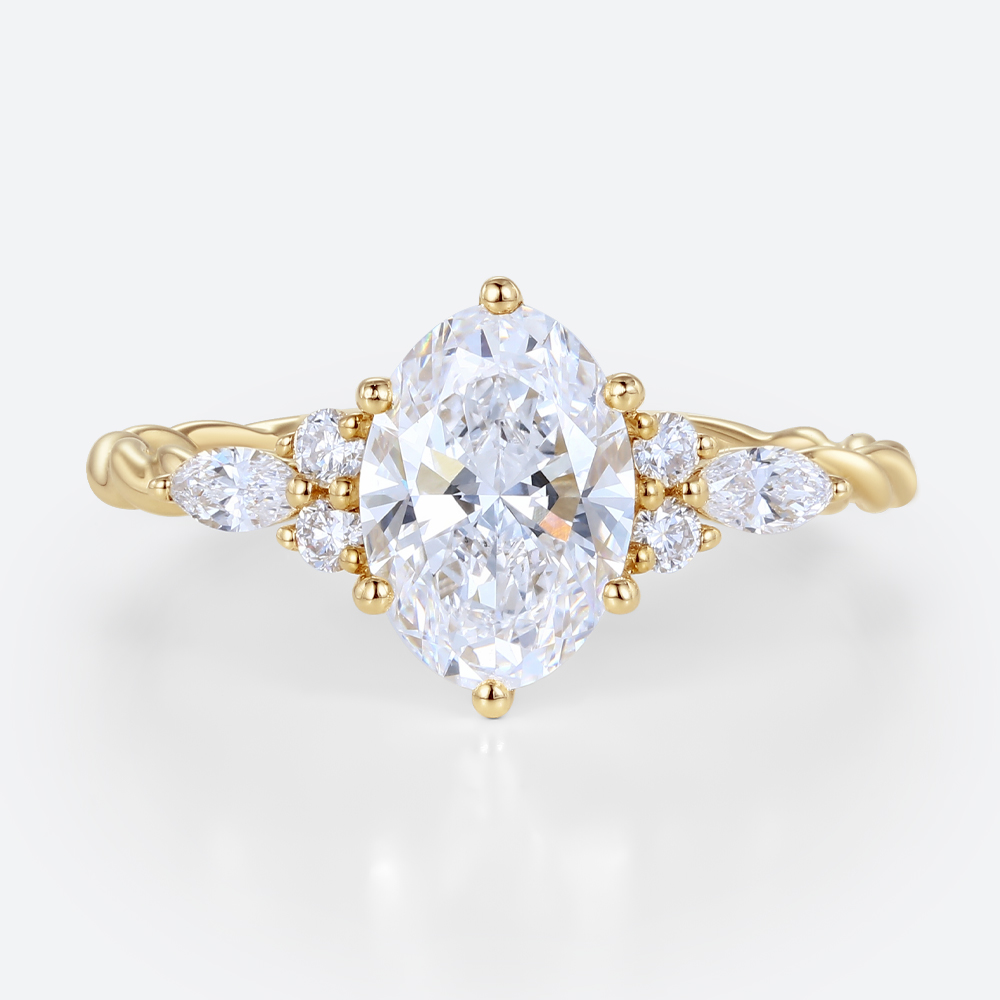
Yellow gold engagement rings have a timeless appeal that never truly goes out of style.
Their warm tone creates a classic and luxurious appearance that works beautifully with:
vintage-inspired rings
emerald cuts
yellow and rose gold jewelry collections
Unlike white gold, yellow gold keeps its natural color and usually requires less maintenance over time.
Many buyers also love yellow gold because it creates a softer contrast against diamonds, especially near-colorless stones.
For people who prefer traditional jewelry aesthetics, yellow gold often feels:
elegant
rich
timeless
Rose Gold Engagement Rings
Rose gold has become increasingly popular over the last decade thanks to its romantic and modern appearance.
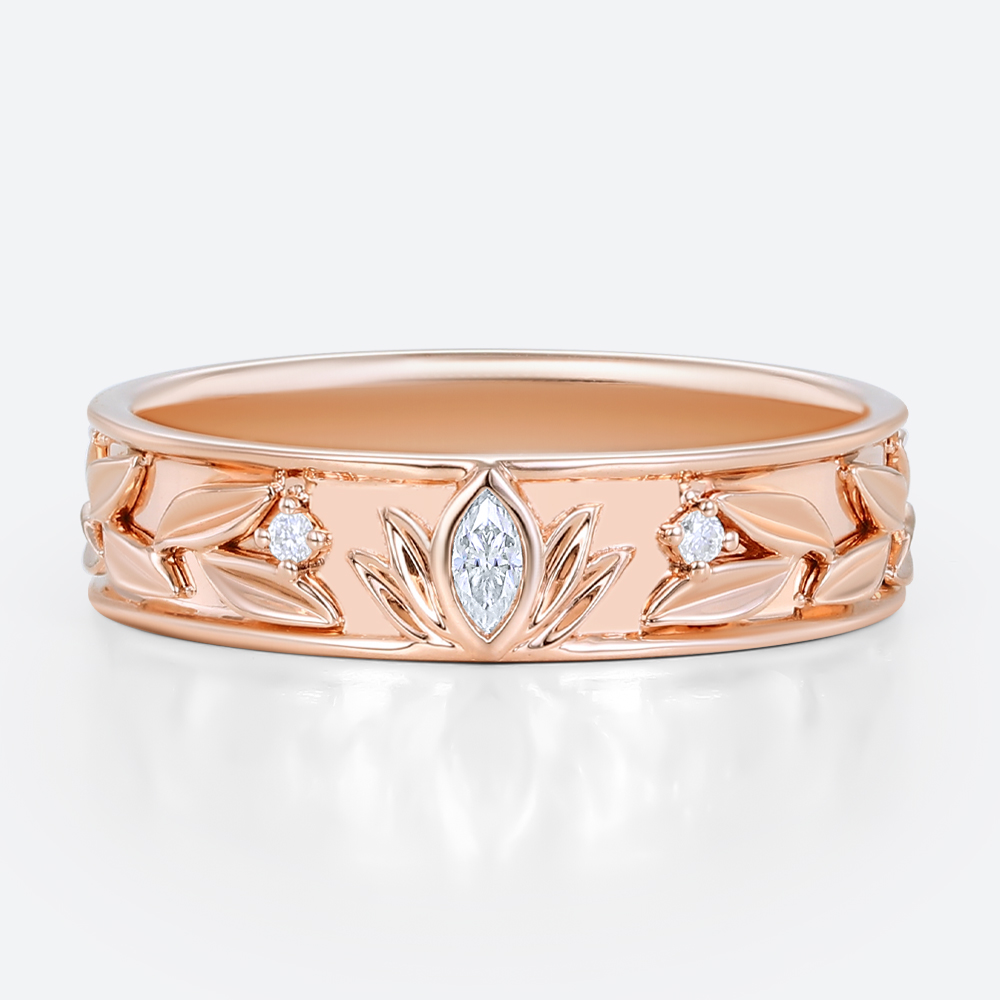
Rose gold is created by mixing pure gold with a copper alloy, giving it its signature pink tone.
This metal is especially popular for:
feminine engagement rings
fashion-forward jewelry
soft vintage aesthetics
Many people also find rose gold flattering on a wide range of skin tones.
Compared to other precious metals, rose gold feels:
warm
unique
highly personal
which is one reason it continues trending in both engagement rings and wedding bands.

Platinum Engagement Rings
Platinum is often considered the premium option among engagement ring metals.
Unlike gold alloys, platinum is a naturally white pure metal known for:
exceptional durability
luxurious weight
strong resistance to wear
Because platinum is denser than gold, it holds gemstones securely and performs extremely well for everyday wear.
Many buyers choose platinum rings for:
heirloom-quality jewelry
larger center stones
long-term durability
although platinum rings are usually more expensive than gold engagement rings.
Palladium Ring Options
Palladium is another white precious metal sometimes used in engagement rings.
It shares a similar appearance to platinum but is typically lighter in weight and more affordable.
Palladium ring styles appeal to buyers looking for:
modern aesthetics
lower maintenance
comfortable everyday wear
However, palladium is less commonly available than traditional ring metals like gold or platinum.
II. 14K Gold vs 18K Gold Which Is Better for Engagement Rings
One of the biggest questions buyers ask when shopping for gold engagement rings is:
👉 Should I choose 14K or 18K gold?
The answer depends on what matters most to you:
durability
color richness
price
long-term wear
Both are excellent choices, but they perform differently in everyday jewelry.
What Gold Alloys Actually Mean
Pure gold is naturally soft, which means it is rarely used alone for engagement rings.
Instead, jewelers mix gold with alloy metals like:
copper alloy
silver
palladium
to improve strength and durability.
This creates different gold alloy types such as:
14K gold
18K gold
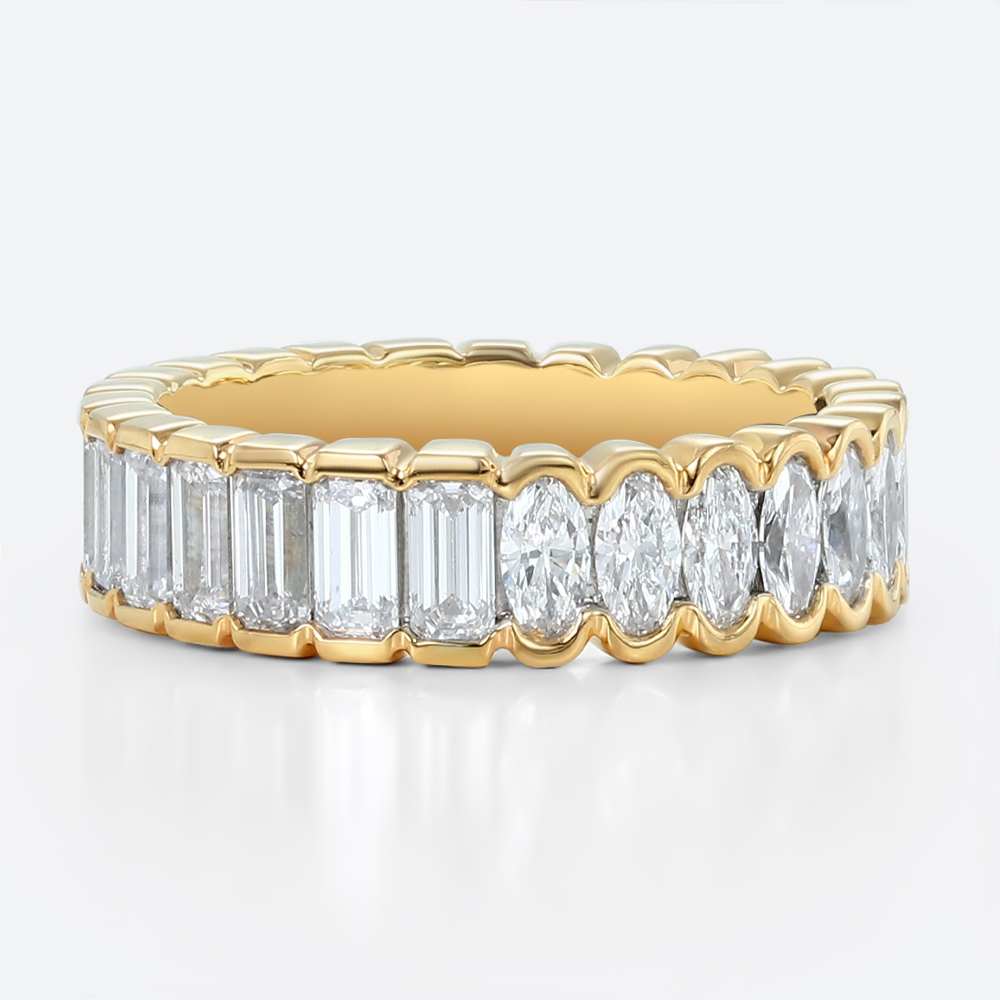
The “K” stands for karat and measures how much pure gold is inside the metal.
Why 14K Gold Is More Durable
14K gold contains a higher percentage of alloy metals and less pure gold.
This makes it:
stronger
more scratch resistant
better for everyday wear
Because engagement rings are worn daily, many jewelers recommend 14K gold for buyers with active lifestyles.
14K white gold rings are especially popular because they balance:
durability
beauty
affordability
extremely well.
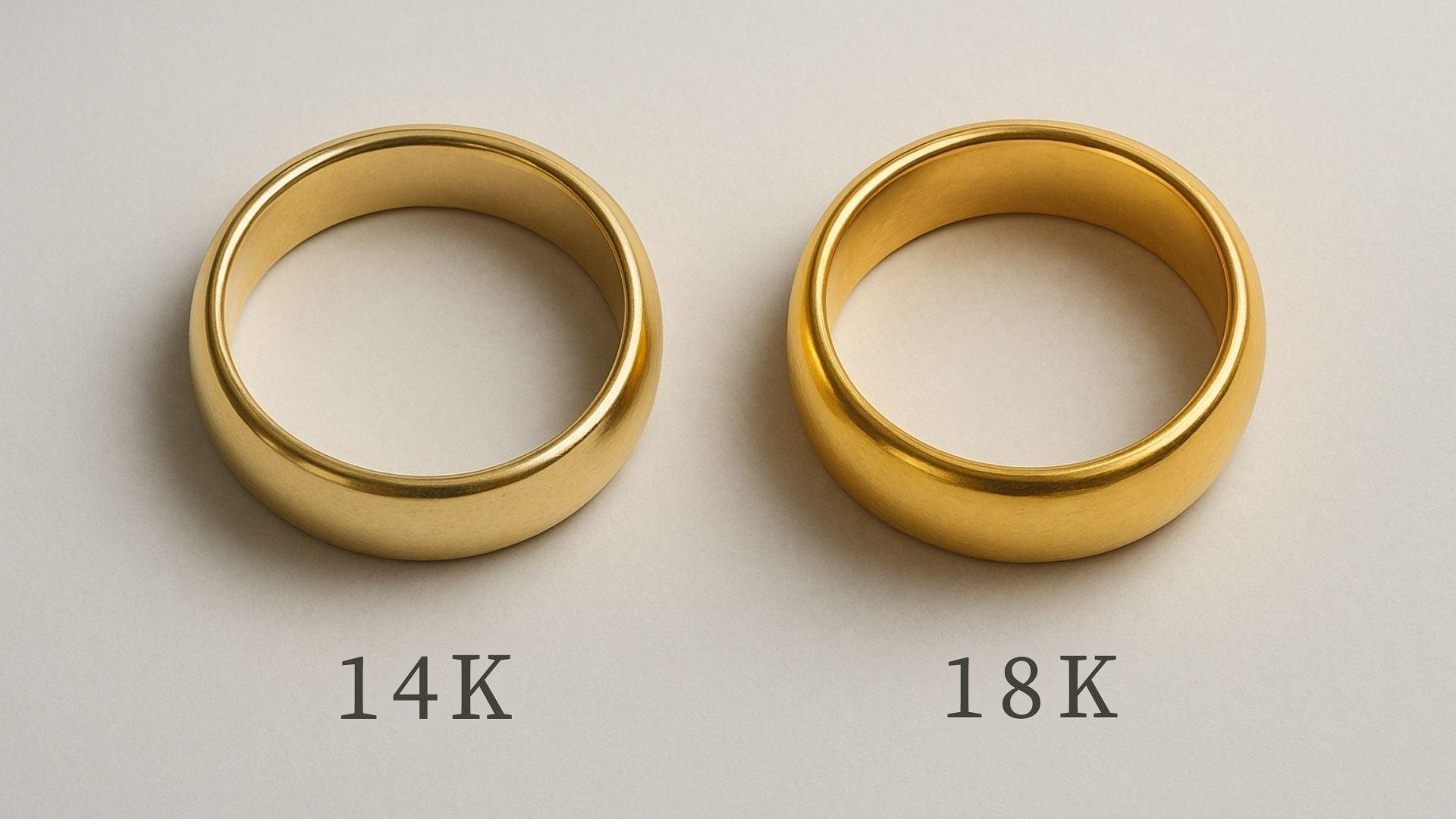
Why 18K Gold Looks More Luxurious
18K gold contains more pure gold, giving it:
richer color
deeper warmth
more luxurious appearance
This is especially noticeable in:
yellow gold rings
rose gold settings
Many luxury jewelry collections use 18K gold because of its premium aesthetic.
However, because it contains more pure gold, 18K gold is slightly softer than 14K.
Which Gold Is Better for Everyday Wear
For most buyers, 14K gold offers the best balance between:
durability
price
long-term practicality
But for buyers prioritizing luxury appearance and richer gold color, 18K gold can feel more premium.
Ultimately, the best metal depends on:
personal style
budget
lifestyle
how often the ring will be worn
which is why choosing engagement ring metals is always a highly personal decision.
III. How to Choose the Best Metal for Your Engagement Ring
Choosing the right metal is not only about price.
The best engagement ring metal should match:
your lifestyle
your skin tones
your jewelry preferences
your center stone
how often you plan to wear the ring
Some buyers love the bright white appearance of platinum and white gold, while others prefer the warmth of yellow and rose gold.
There is no single “perfect metal” for everyone.
The right metal is the one that best fits your personal style and everyday life.
Best Metal for Cool Skin Tones
People with cool skin tones often look best wearing:
white gold
platinum
naturally white metals like palladium
These metals create a crisp and elegant appearance that pairs beautifully with:
colorless diamonds
icy lab grown diamonds
minimalist fine jewelry
White gold remains especially popular because it offers the luxurious white appearance of platinum at a more accessible price point.
Best Metal for Warm Skin Tones
Warm skin tones usually pair beautifully with:
yellow gold
rose gold
warmer metal combinations
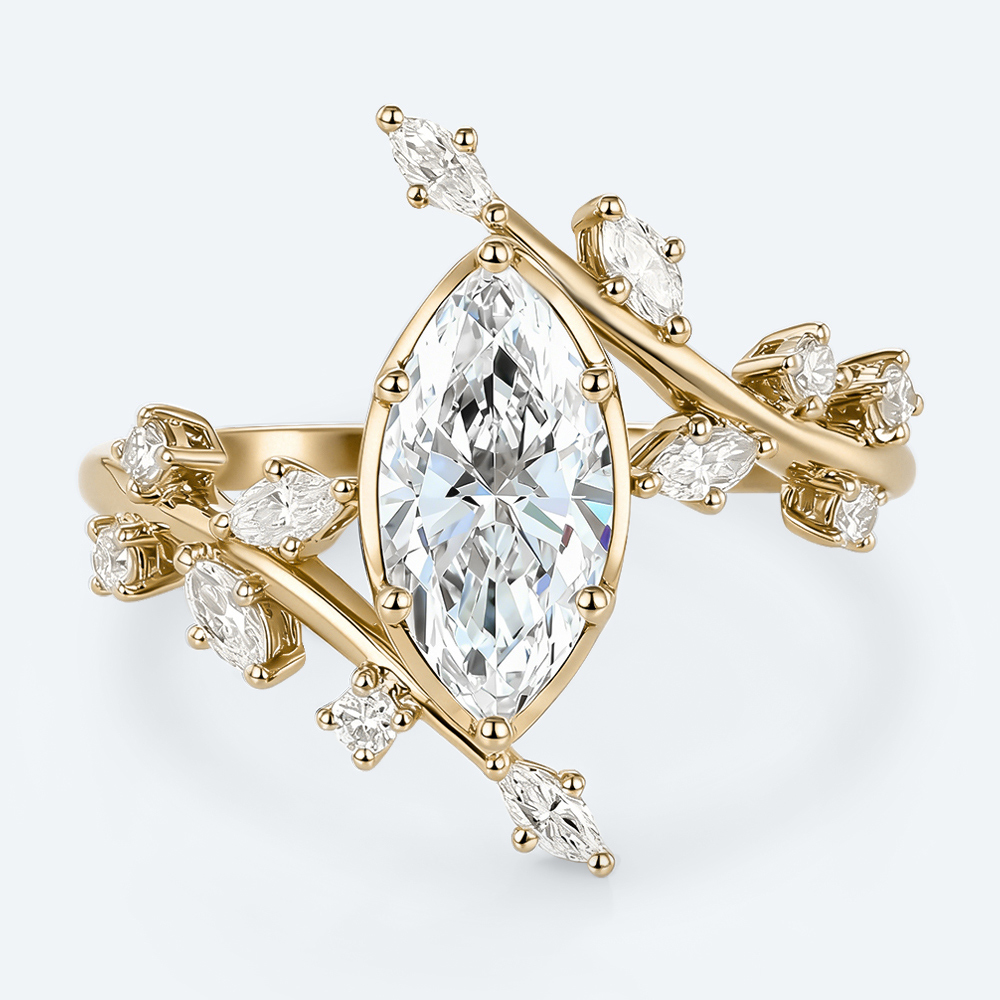
18K yellow gold creates a rich and classic luxury feel, while rose gold adds softness and romance.
Because rose gold contains higher copper content, it naturally develops its signature blush tone that many buyers associate with vintage-inspired jewelry.
These warm metals also work beautifully with:
champagne diamonds
colored gemstones
warmer center stone colors
Matching Metal With Your Center Stone
Your center stone plays a huge role in choosing the right metal.
For example:
white diamonds often look brighter in platinum or white gold
yellow diamonds pair beautifully with yellow gold
pink stones look stunning in rose gold settings
Many jewelers also recommend considering contrast.
A white metal can make diamonds appear:
brighter
sharper
more colorless
while warmer metals create a softer and more romantic appearance.
Choosing Metal Based on Lifestyle
Lifestyle matters more than many buyers realize.
If you plan to wear your engagement ring every day, durability becomes especially important.
For active lifestyles, many jewelers recommend:
platinum
14K gold
scratch resistant alloy metals
because they hold up better over time.
Buyers with metal sensitivities may also prefer platinum or palladium because they are often less reactive than some gold alloys.
IV. Which Engagement Ring Metal Is the Most Durable
Durability is one of the most important factors when comparing engagement ring metals.
Since engagement rings are worn daily, buyers want metals that can:
resist scratches
protect the center stone
maintain their beauty over time
Different metals wear very differently, especially after years of everyday use.
Platinum vs Gold Durability
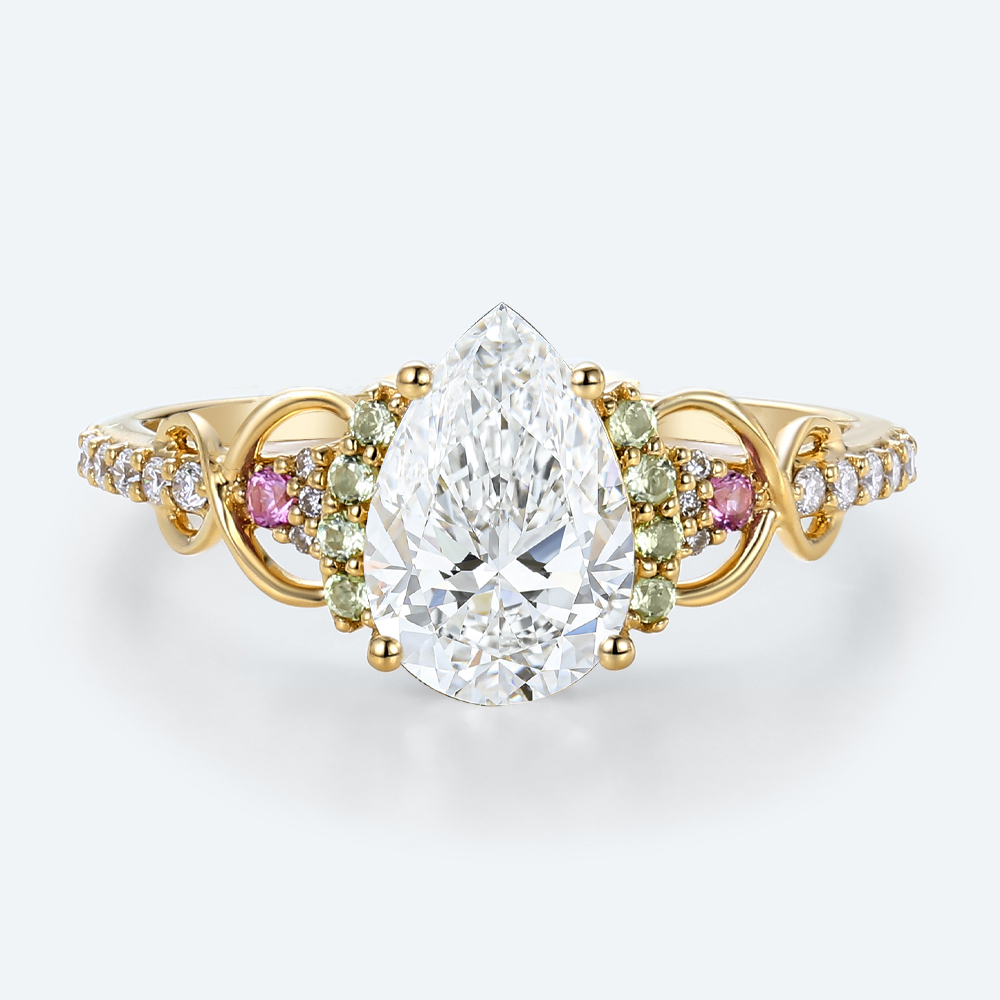
Platinum is often considered the most durable engagement ring metal.
Unlike gold alloys, platinum is a naturally white pure metal that does not require re plating to maintain its color.
Over time, platinum develops a natural patina that many buyers actually love because it creates a soft vintage appearance.
Gold rings, however, may show scratches more visibly depending on:
karat level
alloy metals used
daily wear habits
Still, gold remains one of the most practical and popular choices in fine jewelry.
Which Metals Scratch More Easily
Softer metals tend to scratch more quickly.
For example:
18K gold is softer than 14K gold
pure gold scratches very easily
platinum develops surface texture rather than losing metal
White gold may also require occasional polishing and rhodium re plating to maintain its bright white appearance.
Meanwhile, rose gold often performs well because its copper alloy content increases hardness slightly.
Best Metal for Everyday Wear
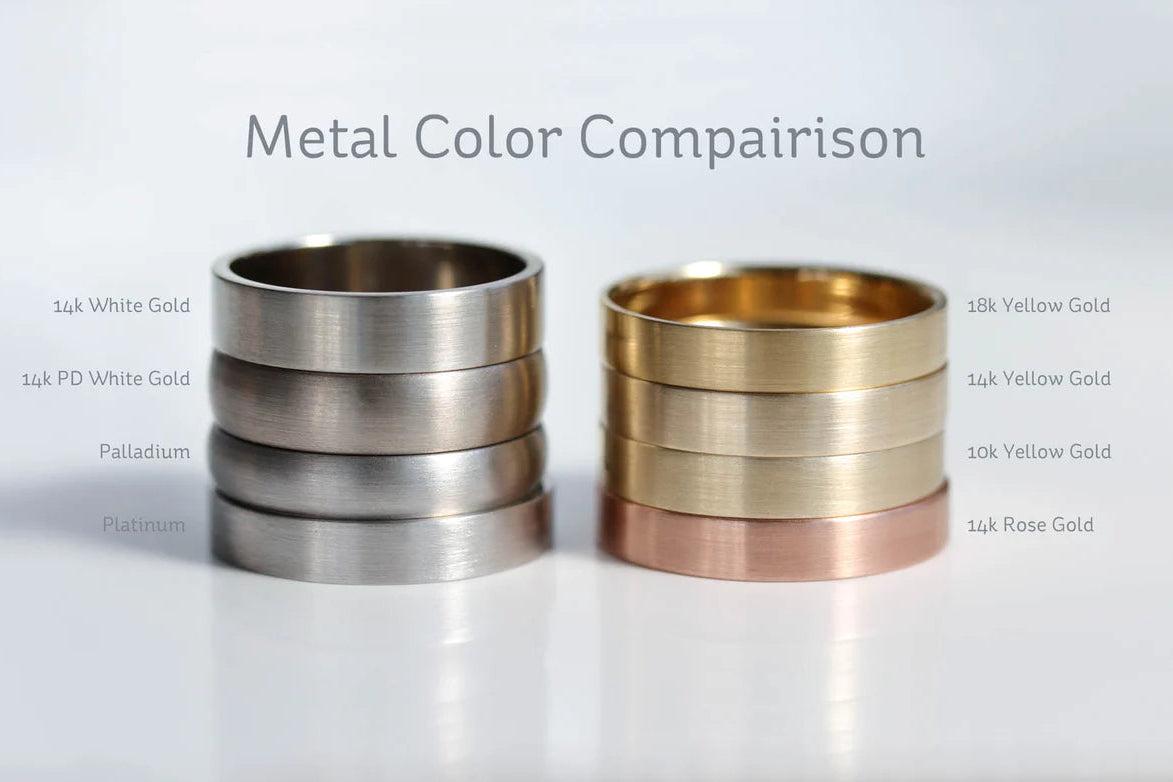
For most buyers, the best engagement ring metals for everyday wear are:
platinum
14K white gold
14K yellow gold
These options balance:
durability
comfort
beauty
long-term maintenance
extremely well.
Buyers wanting the most luxurious feel often choose platinum, while those looking for an affordable alternative frequently choose 14K gold.
Do Different Metals Require Different Maintenance
Yes.
Some metals require more upkeep than others.
For example:
white gold may require re plating over time
platinum may require occasional polishing
rose gold usually requires less color maintenance
Understanding long-term maintenance helps buyers choose a metal that fits both their lifestyle and expectations.
V. Affordable Engagement Ring Metal Options
Not every beautiful engagement ring needs to be made from the most expensive metals.
Today, buyers have more choices than ever when it comes to balancing:
beauty
durability
price
long-term wear
And in many cases, more affordable metals can still create a luxurious and timeless look.
Best Affordable Alternative to Platinum
Platinum is known for:
exceptional durability
naturally white appearance
luxurious weight
But it is also one of the more expensive metals used in fine jewelry.
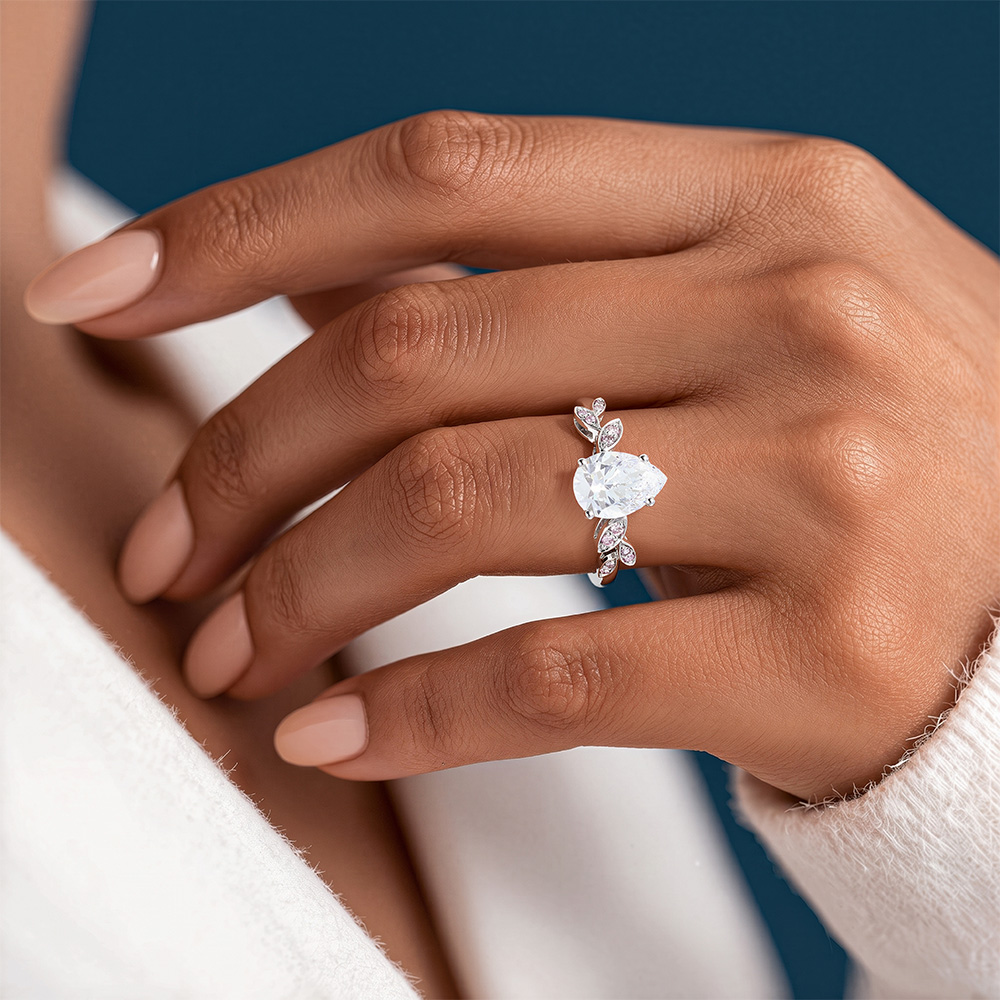
For buyers wanting a similar white appearance at a more accessible price point, white gold is often the best alternative.
14K white gold offers:
strong durability
bright finish
modern luxury appearance
while costing significantly less than platinum.
This makes white gold one of the most popular engagement ring metals in today’s jewelry market.
How Metal Choice Affects Ring Price
Many buyers focus entirely on the center stone, but metal choice also affects overall ring cost.
For example:
platinum typically costs more than gold
18K gold is usually more expensive than 14K gold
larger rings require more metal
The type of alloy metals used can also influence pricing.
Because platinum is denser and heavier than gold, it often increases manufacturing costs as well.
Understanding these differences helps buyers prioritize budget more effectively when designing their dream ring.
Is Sterling Silver Good for Engagement Rings
Sterling silver is one of the most affordable jewelry metals available.
It offers:
bright white appearance
lower pricing
lightweight comfort
However, silver is softer than platinum or gold and may scratch or tarnish more easily over time.
Because of this, sterling silver is generally better for:
fashion jewelry
temporary rings
occasional wear
rather than long-term engagement rings worn daily.
Best Value Metal for Most Buyers
For most buyers, 14K gold offers the best balance between:
durability
affordability
beauty
low maintenance
It performs well for everyday wear while still delivering the luxury appearance most people want from an engagement ring.
That’s why many jewelers recommend:
14K white gold
14K yellow gold
14K rose gold
as the safest overall choice for long-term value.
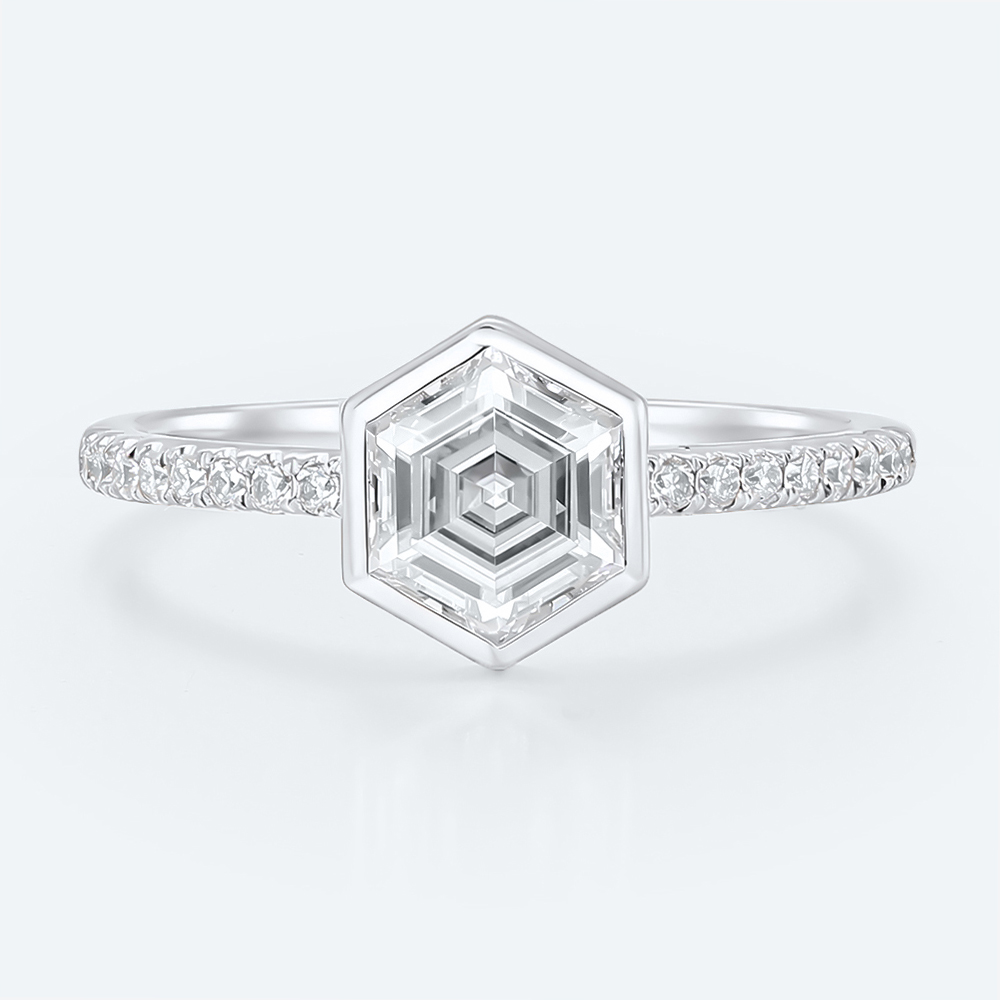
VI. Final Thoughts on Choosing Engagement Ring Metals
Choosing the perfect engagement ring metal ultimately comes down to:
personal style
lifestyle
maintenance preferences
budget
There is no single “best metal” for everyone.
Some buyers prefer the timeless appeal of platinum, while others love the warmth of yellow gold or the romantic tone of rose gold.
The good news is that modern jewelry offers incredible flexibility.
Whether you want:
a durable platinum ring
a classic white gold engagement ring
a trendy rose gold setting
an affordable alternative like 14K gold
there are beautiful options available for every style and budget.
The most important thing is choosing a ring that feels personal, comfortable, and meaningful for everyday wear.