
I. Why Everyone Is Talking About Colored Diamonds
In recent years, more people have started to look beyond traditional white diamonds. If you have noticed the growing buzz around colored diamonds, you are not alone. From engagement rings to everyday jewelry, these vibrant stones are becoming one of the biggest colored diamond trends in the industry.
So, why are colored diamonds so popular right now?
Part of the answer lies in how people view jewelry today. It is no longer just about tradition—it is about personal expression. While classic diamonds still represent timeless beauty, colored diamonds offer something different. They feel more unique, more expressive, and often more personal.
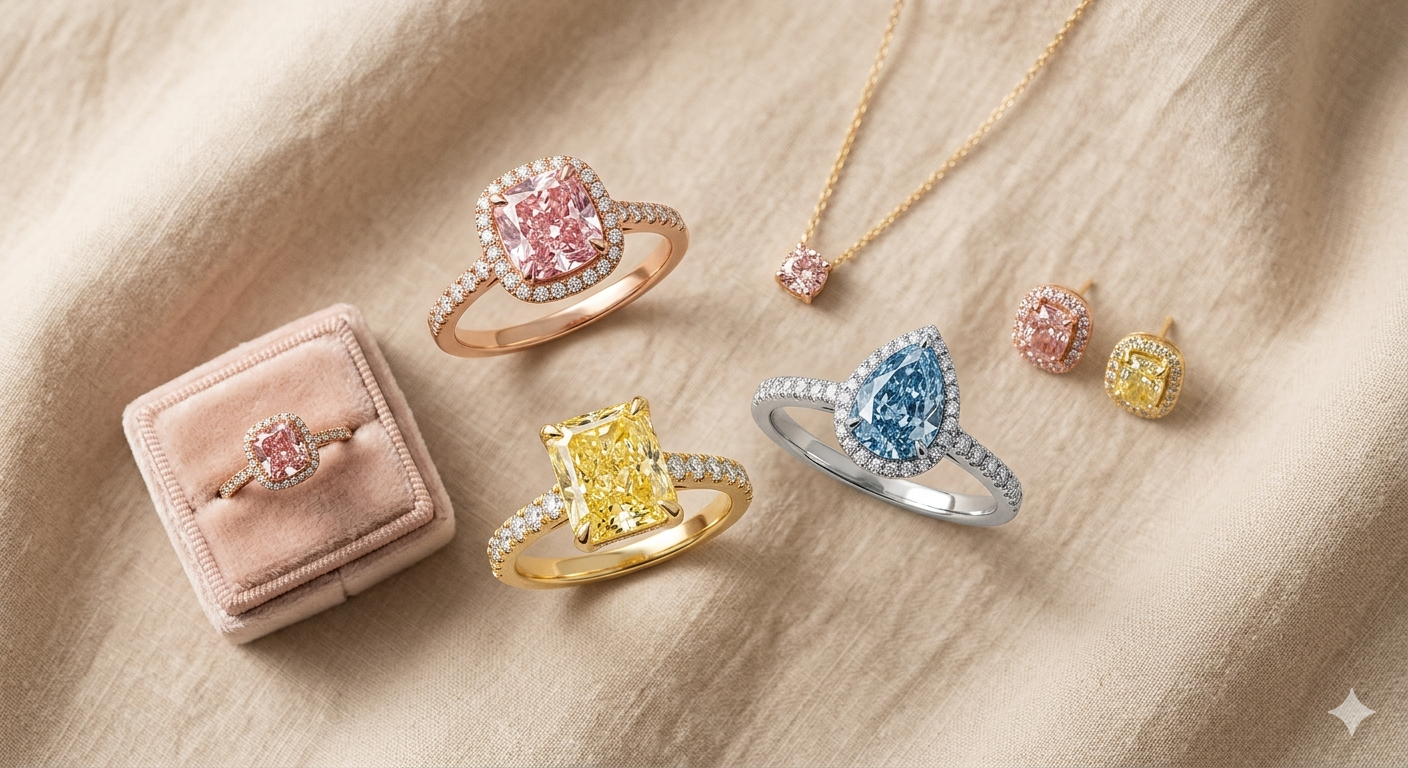
There is also a shift in how buyers approach engagement rings. Instead of choosing what has always been expected, many are now looking for something that reflects their personality and story. This is where colored diamonds stand out. Whether it is a soft pink, a bright yellow, or a deep blue, each stone carries its own character.
At the same time, increased awareness and accessibility have played a role. With more options available than ever—including both natural and lab-created stones—colored diamonds are no longer seen as rare curiosities. They are becoming a mainstream choice for those who want something beyond the ordinary.
In short, colored diamonds are trending not just because they look different, but because they represent a new way of thinking about jewelry—one that values individuality over tradition.
II. What Are Colored Diamonds
To understand the rise of this trend, it helps to first answer a basic question: what are colored diamonds?
Unlike traditional diamonds, which are valued for being as colorless as possible, colored diamonds are prized for their visible hues. These diamonds fall into a category known as fancy color diamonds, meaning their color is naturally present and plays a major role in their value.
What Are Fancy Color Diamonds
Fancy color diamonds are diamonds that display noticeable color beyond the standard grading scale used for colorless stones. Instead of being graded from D to Z, these diamonds are evaluated based on color intensity, tone, and hue.
You may come across terms like fancy light, fancy, fancy intense, or fancy vivid. These descriptions indicate how strong or saturated the color appears. In many cases, a more intense color can make the diamond more valuable.
This is one of the key differences between colored diamonds and colorless diamonds. While traditional diamonds focus on clarity and lack of color, fancy color diamonds celebrate color as their defining feature.
Types of Colored Diamonds
Colored diamonds come in a wide range of shades, each with its own appeal.
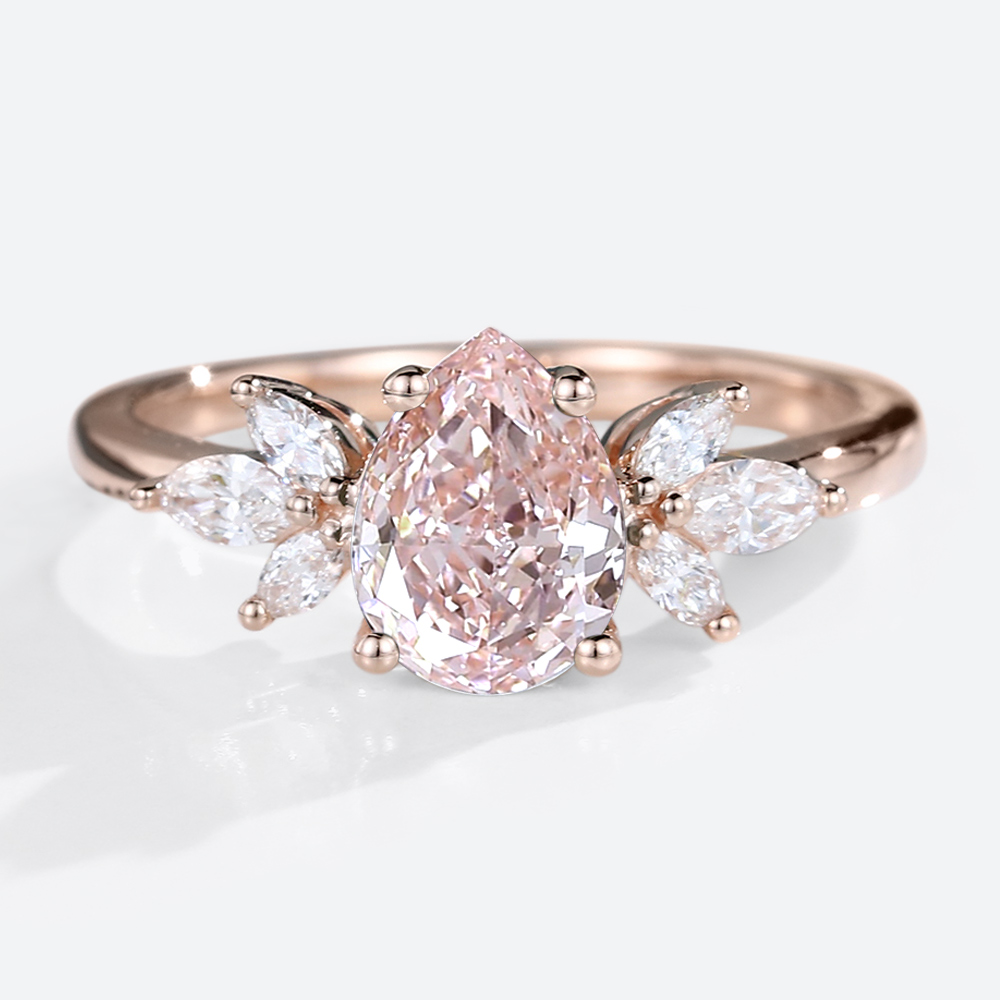
- Pink diamonds are often associated with romance and elegance
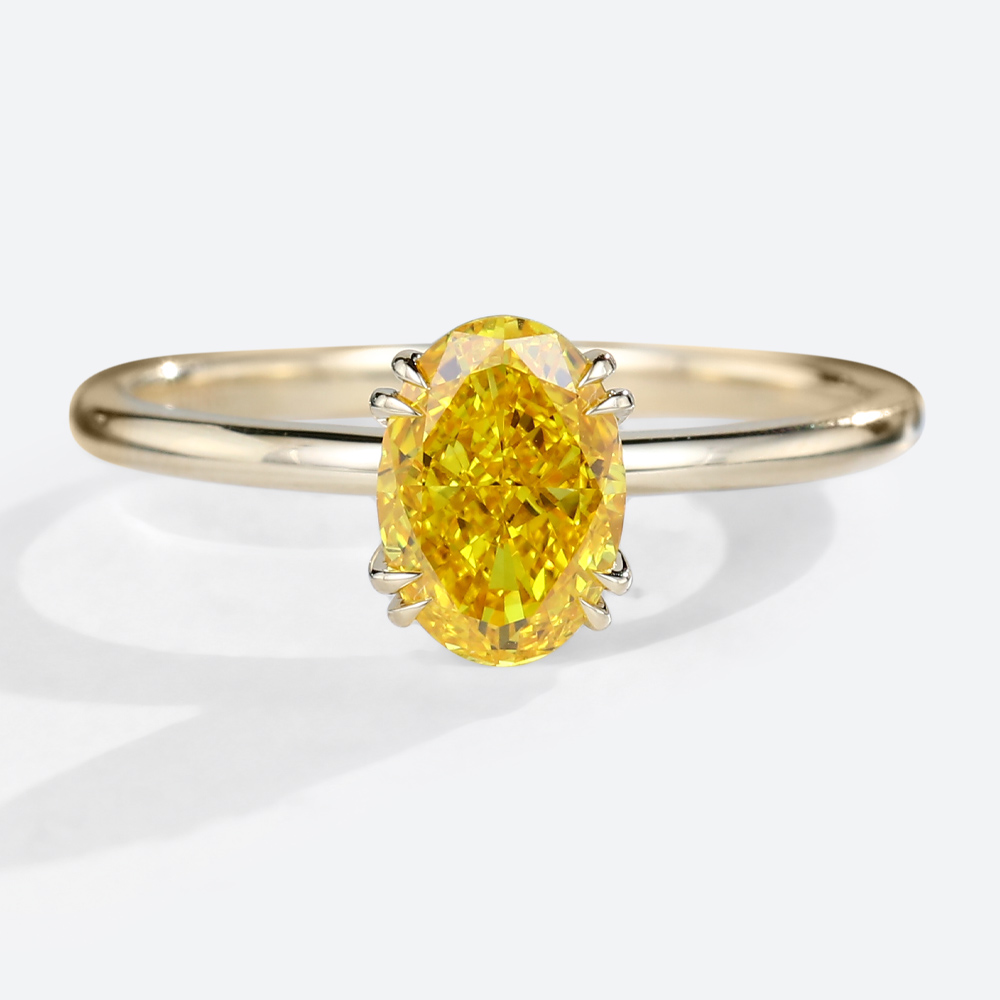
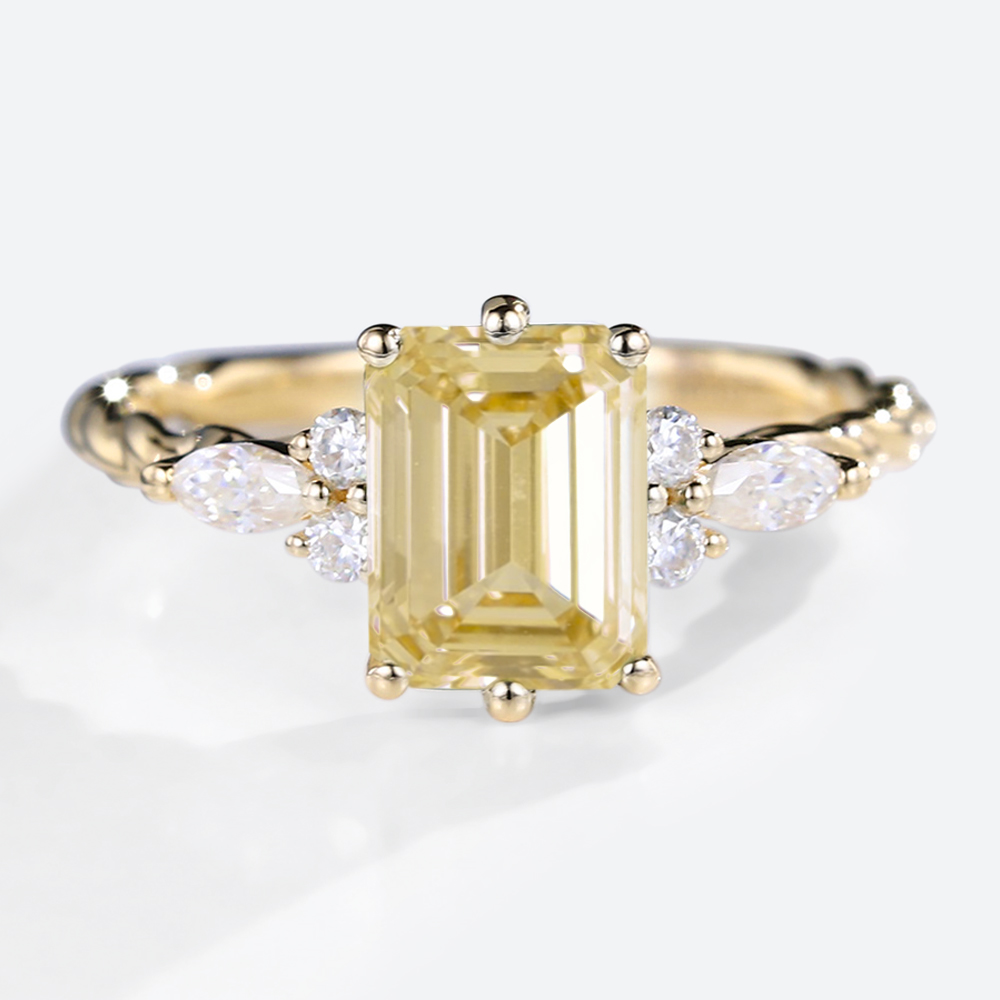
- Yellow diamonds feel bright, energetic, and warm
- Blue diamonds convey calmness and depth
Other shades, including green and champagne tones, also fall into the category of other colored diamonds
Each type offers a different look and meaning, which is why colored diamonds are increasingly seen as a more personal choice compared to traditional options.
Understanding these basics makes it easier to see why the trend is growing. Colored diamonds are not just visually different—they represent a shift in what people want from jewelry.
III. Why Are Colored Diamonds Trending
The rise of colored diamonds is not random. It reflects a bigger shift in how people choose jewelry today.
A Shift Toward Personal Expression
One of the biggest reasons behind current colored diamond trends is individuality. People no longer want jewelry that looks the same as everyone else’s. They want something that feels personal.
Traditional diamond engagement rings are still popular, but they often follow a predictable style. Colored diamonds break that pattern. A pink or yellow diamond instantly stands out and tells a different story.
For many buyers, this matters more than tradition. Jewelry has become a way to express identity, not just status.
Influence of Celebrities and Culture
Cultural influence has also played a major role. Over the years, colored diamond rings have appeared in high-profile engagements and red carpet moments, shaping public perception.
Celebrities like Jennifer Lopez have helped bring attention to unique diamond choices, making them more desirable and less “unusual.”
As a result, what was once considered rare or niche is now seen as stylish and modern. This visibility has helped push colored diamonds into the mainstream.
Rise of Non-Traditional Engagement Rings
Another key factor is the growing popularity of non-traditional engagement rings.
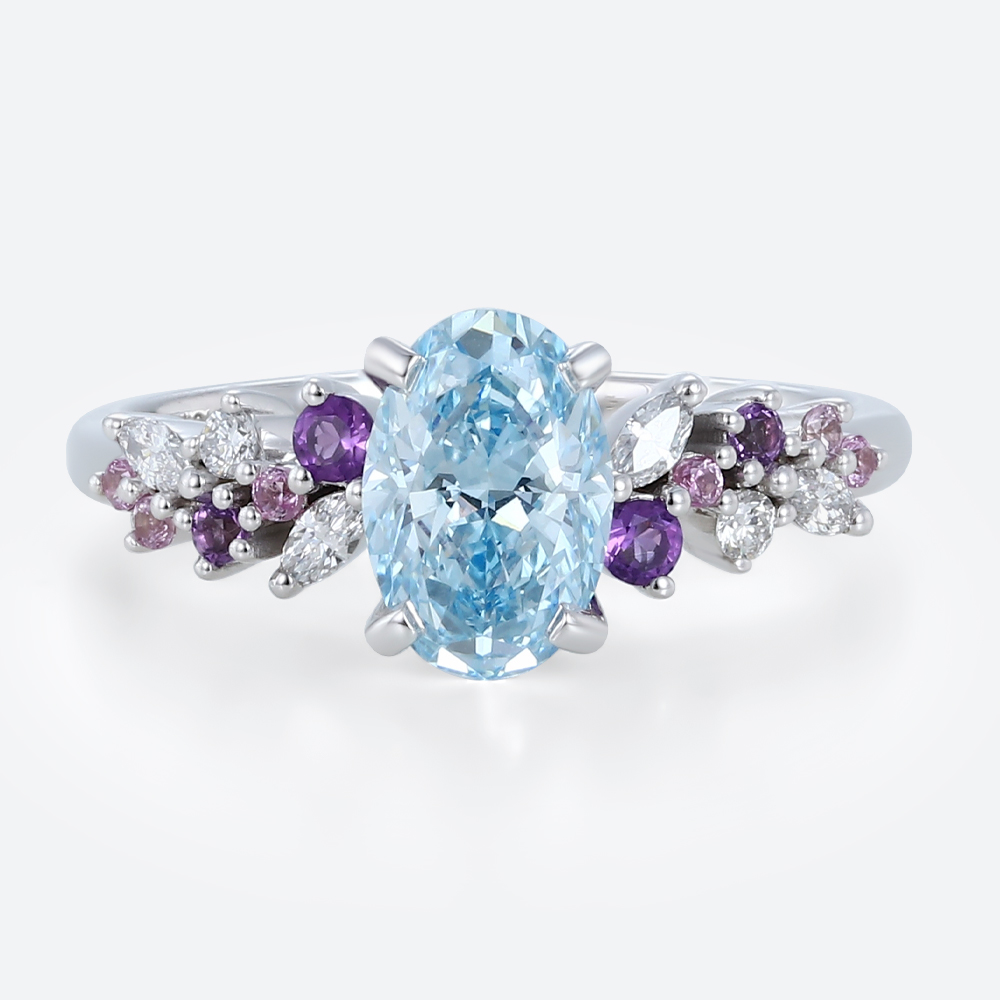
More couples are moving away from the idea that a ring must look a certain way. Instead, they are choosing designs that feel meaningful to them. This includes alternative shapes, settings, and of course, color.
When comparing colored diamonds vs white diamonds, the difference is clear. White diamonds represent tradition, while colored diamonds represent personality and creativity. This shift in mindset is one of the main reasons the trend continues to grow.
Increased Awareness of Lab-Grown Options
Accessibility has also changed the market. In the past, many people were interested in colored diamonds but could not afford them.
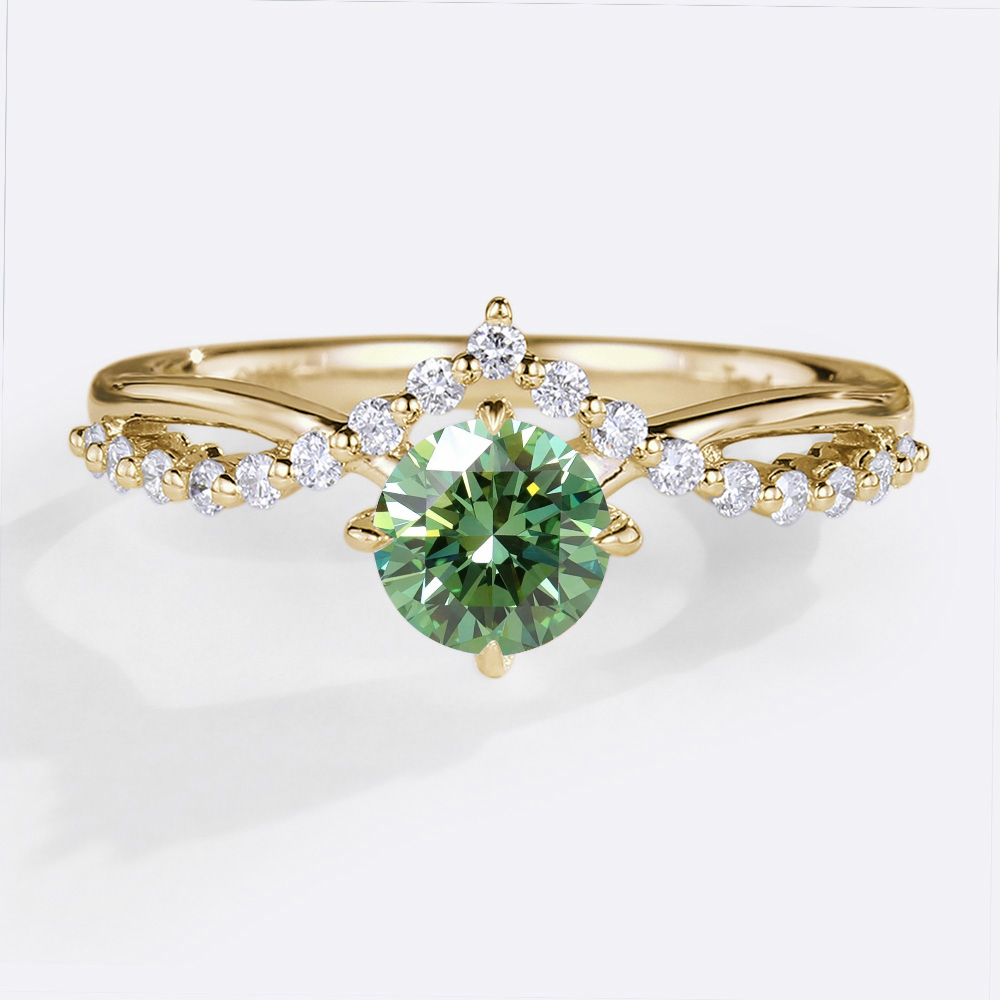
Today, with the rise of natural vs lab grown colored diamonds, more options are available. Lab-grown stones make it easier to choose a specific color, size, and style without the high cost of rare natural diamonds.
This has opened the door for more buyers to explore colored diamonds, further accelerating the trend.
IV. Are Colored Diamonds Worth It
With growing interest, many people ask the same question: are colored diamonds worth it?
The answer depends on what you value.
If you are looking for something unique and expressive, colored diamonds offer a clear advantage. Each stone feels different, which makes it more personal than a traditional option.
There is also emotional value. A colored diamond often carries meaning—whether it is romance, energy, or calmness—depending on the color. This adds another layer to the purchase beyond appearance.
From a style perspective, colored diamonds also tend to stand out more. They draw attention without needing overly complex designs, making them a strong choice for both engagement rings and everyday jewelry.
Are Colored Diamonds a Good Investment
From a financial perspective, colored diamonds can also be appealing.
Natural colored diamonds are extremely rare, which is one of the main reasons they are considered valuable. Their limited supply means they often hold strong long-term interest in the market.
However, not all colored diamonds should be viewed purely as an investment. Factors like color intensity, origin, and overall quality all play a role.
For most buyers, the real value comes from a combination of rarity, beauty, and personal meaning. In that sense, colored diamonds offer something that goes beyond price alone.
V. Colored Diamonds vs White Diamonds
When choosing between colored diamonds vs white diamonds, it helps to think about what matters most to you.
White diamonds are classic. They are timeless, versatile, and widely accepted as the traditional choice for engagement rings. Their appeal lies in simplicity and brilliance.
Colored diamonds, on the other hand, offer something more distinctive. They fall into the category of other colored diamonds, where color becomes the main feature rather than something to minimize.
In practical terms, the difference comes down to style and intention. If you prefer something safe and traditional, white diamonds are a reliable choice. If you want something that reflects personality and stands out, colored diamonds are often the better option.
Neither is better than the other—they simply serve different preferences.
VI. Natural vs Lab-Grown Colored Diamonds
Understanding the difference between natural vs lab grown colored diamonds is important before making a decision.
Natural Colored Diamonds
Natural colored diamonds are formed deep within the earth over millions of years. Their color appears due to unique conditions during formation, which makes them incredibly rare.
Because of this, they are often more expensive and are considered some of the most exclusive gemstones available.
Lab-Grown Colored Diamonds
Lab-grown colored diamonds are created using advanced technology that replicates natural conditions.
They have the same physical and visual properties as natural diamonds, but they are more accessible in terms of price and availability. This allows buyers to explore different colors and sizes more freely.
For many people, lab-grown diamonds offer a practical way to enjoy the beauty of colored diamonds without the limitations of rarity and cost.

VII. Popular Colored Diamonds and Their Meanings
One of the reasons colored diamonds continue to grow in popularity is that each color carries its own meaning. This makes them more than just a visual choice—they become a reflection of personality and emotion.
Pink Diamonds Meaning
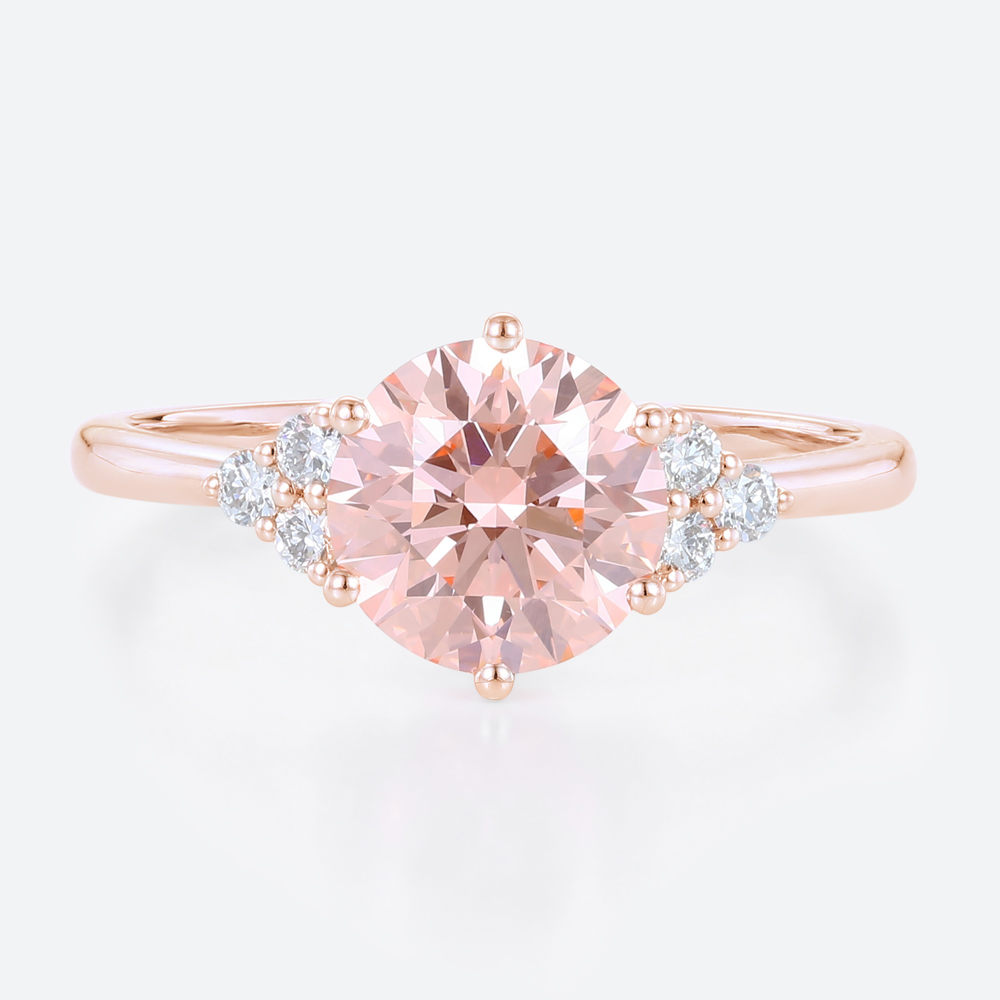
Pink diamonds are often associated with love, romance, and emotional connection. They feel softer and more personal than traditional options, which is why they are a popular choice for engagement rings.
When comparing pink diamond vs yellow diamond meaning, pink tends to represent deeper emotional bonds, making it ideal for romantic occasions.
Yellow Diamonds Meaning
Yellow diamonds are bright, warm, and full of energy. They are often linked to happiness, optimism, and positivity.
For those who want a ring that feels vibrant and uplifting, yellow diamonds offer a strong alternative to more traditional styles.
Blue Diamonds Meaning
Blue diamonds are associated with calmness, trust, and stability. They often appeal to those who prefer something understated but still unique.
Compared to other colored diamonds, blue stones tend to feel more refined and balanced.

VIII. How to Choose the Right Colored Diamond
Choosing the right colored diamond is not just about appearance—it is about finding something that fits your style and lifestyle.
Start with color. The most important factor is how the color looks to you. Some people prefer softer tones like fancy light, while others are drawn to deeper shades like fancy intense or fancy vivid. There is no right or wrong choice—it depends on how bold you want your jewelry to feel.
Next, consider how you plan to wear it. If it is for everyday use, a slightly more subtle color may feel easier to match with different outfits. If it is for special occasions, a stronger color can create more impact.
Setting and design also matter. A simple setting can highlight the diamond’s natural color, while more detailed designs can add extra character. Think about whether you want the diamond to be the focus or part of a larger design.
Finally, balance your preferences with your budget. With options ranging from natural to lab-grown stones, there is flexibility in finding something that meets both your aesthetic and practical needs.
Conclusion: Should You Choose a Colored Diamond
Colored diamonds are not just a passing trend—they represent a shift in how people think about jewelry.
Instead of focusing only on tradition, more buyers are choosing pieces that reflect their personality and values. This is why colored diamonds continue to grow in popularity.
If you prefer something classic and familiar, white diamonds remain a strong choice. But if you are looking for something more expressive and personal, a colored diamond may feel like a better fit.
In the end, the right choice is not about following trends. It is about choosing a diamond that feels meaningful to you.