I. What Are Imitation Diamonds?
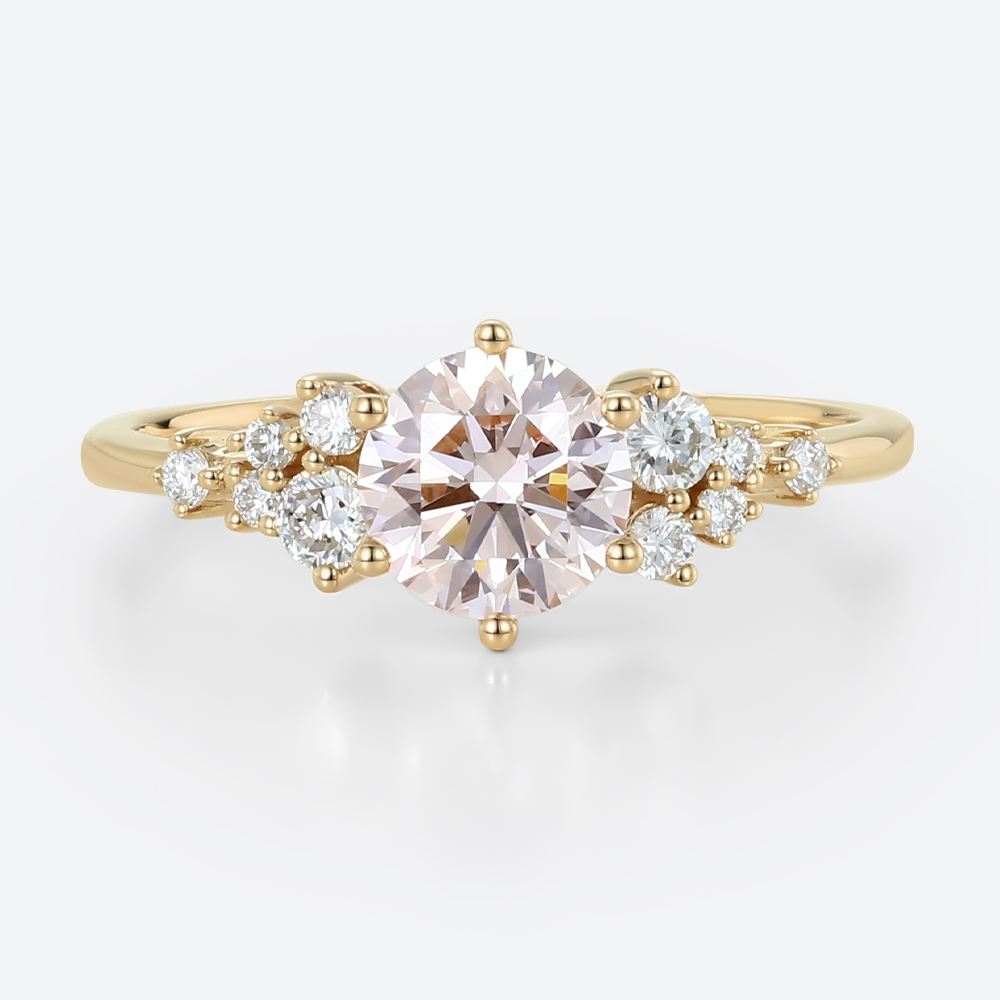
Imitation diamonds are stones created to look like real diamonds, without actually being diamonds in terms of chemical composition or crystal structure. Their purpose is simple: to deliver a diamond-like appearance at a more affordable price.
When shoppers encounter terms like imitation diamonds, diamond simulants, or simulated diamonds, confusion often follows. Many people wonder whether these stones are “fake,” misleading, or low quality. In reality, imitation diamonds are a legitimate jewelry category, widely used in fashion jewelry, everyday accessories, and even engagement-style rings.
Unlike natural diamonds, which form deep within the Earth, imitation diamonds are made from alternative materials such as cubic zirconia or other synthetic compounds. These materials are chosen specifically for their ability to reflect light and mimic a diamond’s sparkle.
Are Imitation Diamonds the Same as Real Diamonds?
No — and this distinction matters.
A real diamond, whether natural or lab grown, is composed of carbon and shares the same physical and chemical properties. Imitation diamonds only replicate the appearance of a diamond, not its internal structure.
That said, imitation diamonds are not meant to deceive. Reputable jewelers clearly label them, and many buyers actively choose imitation diamonds for practical reasons rather than accidentally purchasing them.
Why Do People Choose Imitation Diamonds?
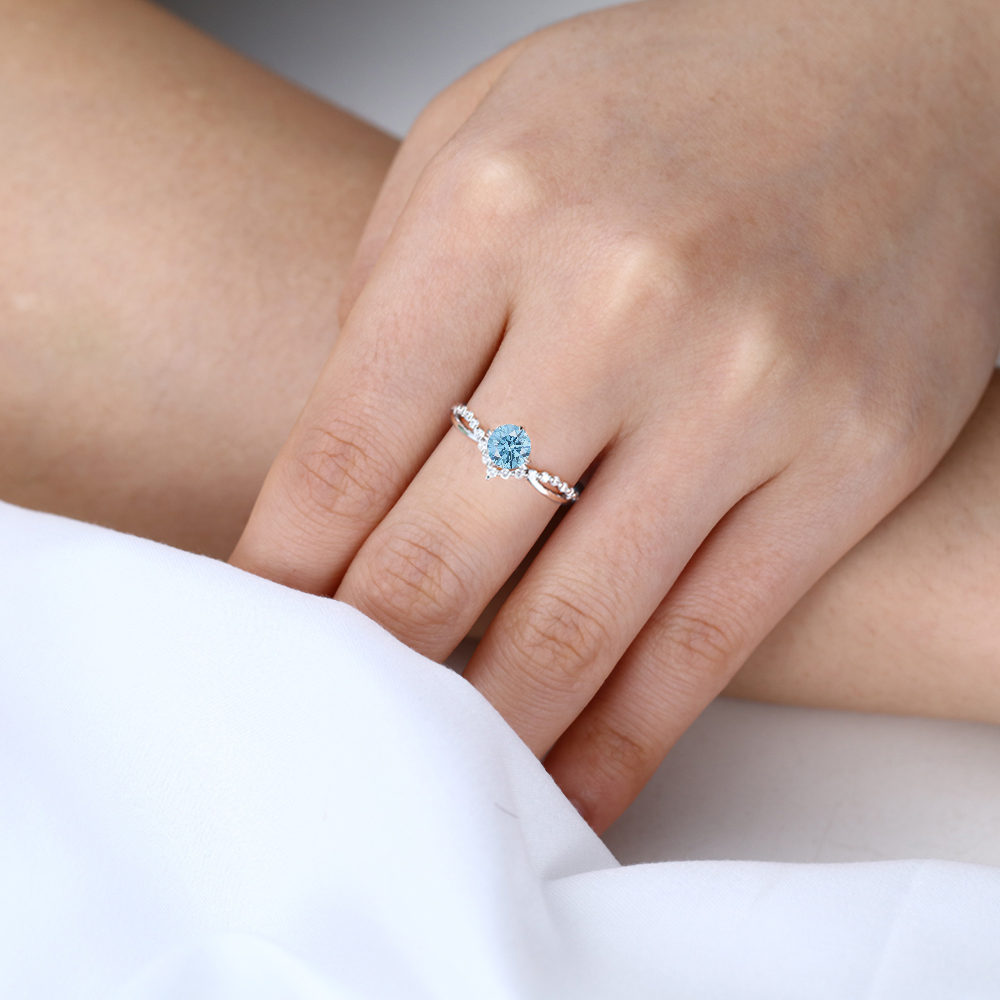
The popularity of imitation diamonds continues to grow, especially among budget-conscious shoppers and style-focused buyers. Common reasons include:
Affordable pricing compared to natural diamonds
Visually convincing sparkle, especially in high-quality diamond simulants
Low-stress wear for travel or daily use
Freedom to follow trends without long-term commitment
For many consumers, imitation diamonds offer a balance between appearance and practicality — without the pressure or cost associated with genuine diamonds.
II. How Imitation Diamonds Compare to Natural and Lab Grown Diamonds
Understanding imitation diamonds becomes easier when they are compared side by side with natural and lab-grown diamonds.
Composition and Structure
The most fundamental difference lies in what the stones are made of.
Natural diamonds are formed over billions of years and consist of pure carbon.
Lab-grown diamonds are also pure carbon, created in controlled environments.
Imitation diamonds are made from non-diamond materials designed to resemble diamonds visually.
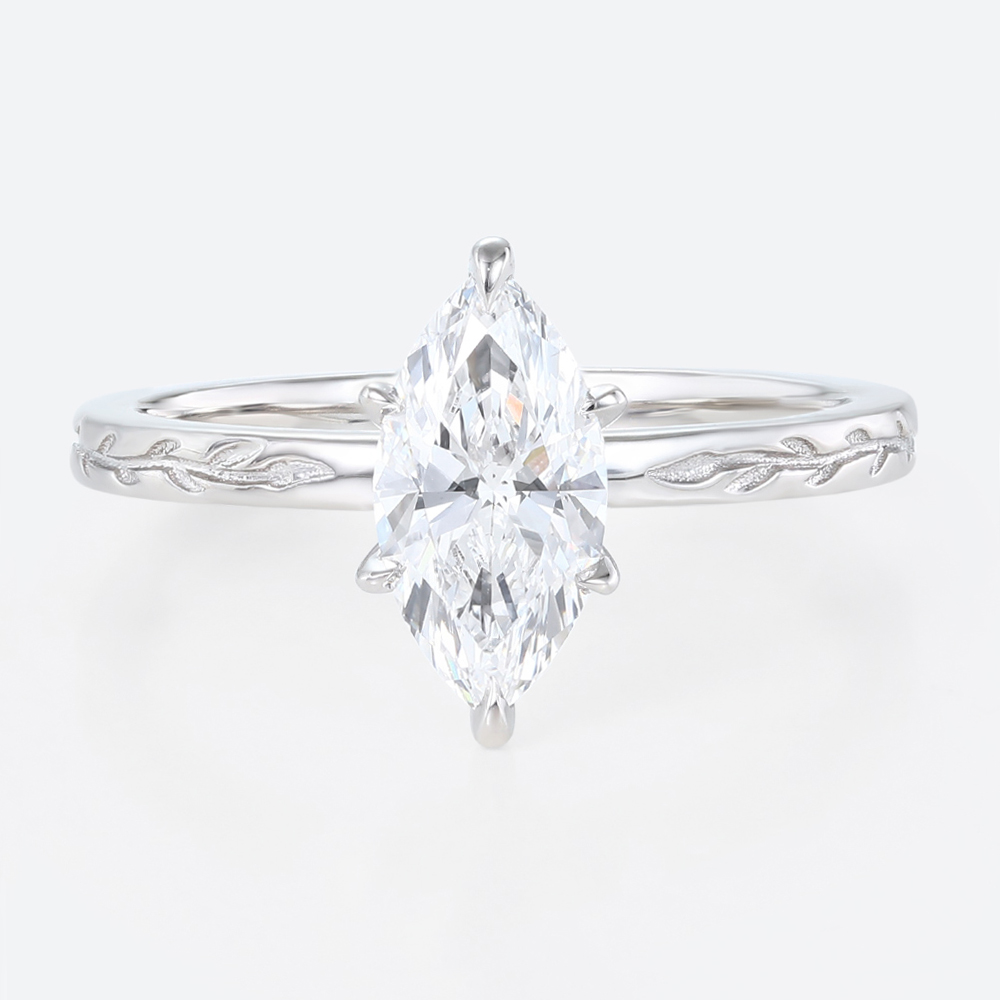
While imitation diamonds may look similar on the surface, they do not share the same internal structure as real diamonds.
Appearance and Brilliance
To the naked eye, many imitation diamonds can appear strikingly similar to real diamonds, especially when set in jewelry.
High-quality imitation diamonds are engineered to reflect light in a way that mimics diamond brilliance. In some cases, they may even appear more sparkly due to stronger rainbow reflections. However, trained gemologists can usually identify differences in light behavior and optical characteristics.
For everyday wear and casual observation, these differences are often subtle.
Durability and Wearability
Durability varies depending on the material used. use.
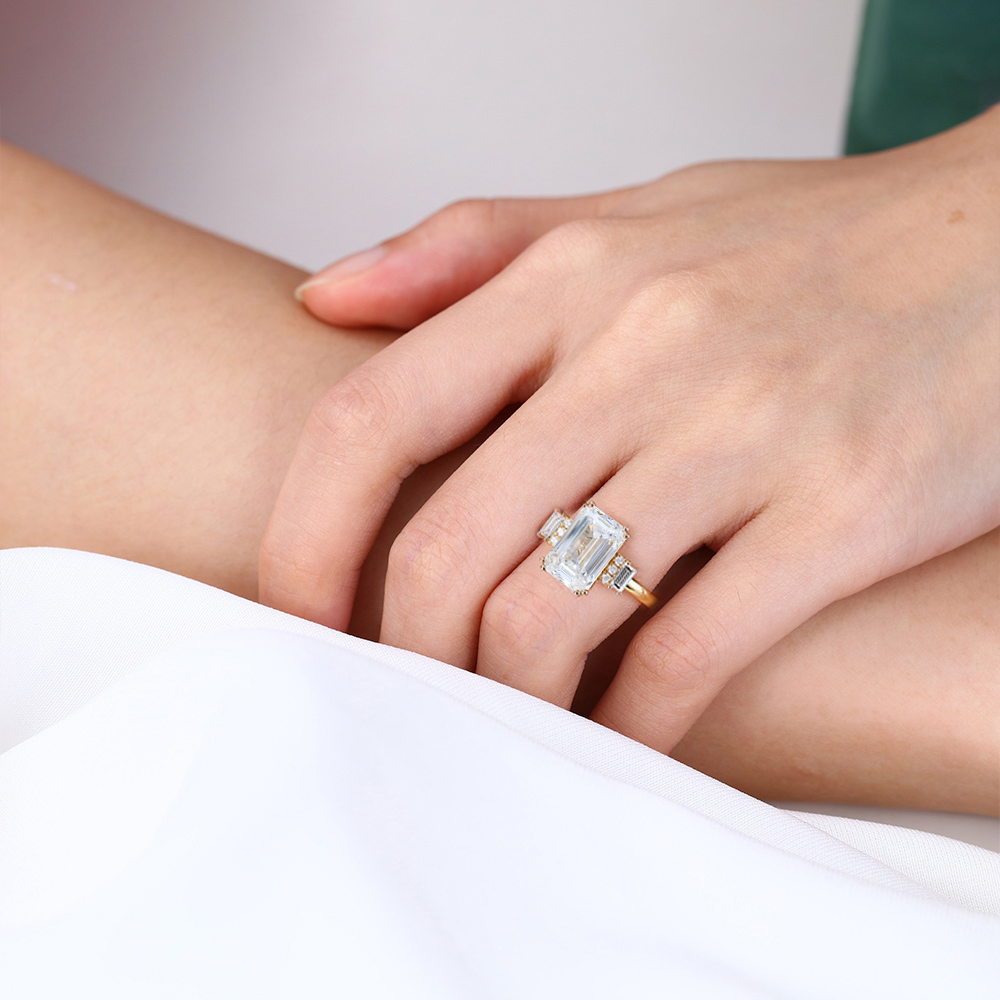
Natural and lab grown diamonds rank highest on the Mohs scale, making them extremely resistant to scratches. Imitation diamonds are generally less hard, meaning they may show signs of wear over time — especially in rings worn daily.
That said, many imitation diamonds perform well in earrings, necklaces, and occasional rings, making them suitable for everyday jewelry use.
Value and Expectations
Imitation diamonds are not designed to hold long-term resale value. Their value lies in accessibility, appearance, and flexibility, not investment potential.
For shoppers who prioritize style, affordability, and convenience over rarity, imitation diamonds can be a smart and intentional choice.
III. Popular Types of Imitation Diamonds Explained
Not all imitation diamonds are the same. In fact, several different materials fall under the category of diamond simulants, each with its own strengths, appearance, and ideal use cases.
Cubic Zirconia
Cubic zirconia is the most widely recognized and commonly used imitation diamond.
It is made from zirconium dioxide and engineered to closely resemble a real diamond’s appearance. Cubic zirconia is known for its strong brilliance, clean look, and affordability, which makes it a favorite in fashion jewelry and affordable engagement-style rings.
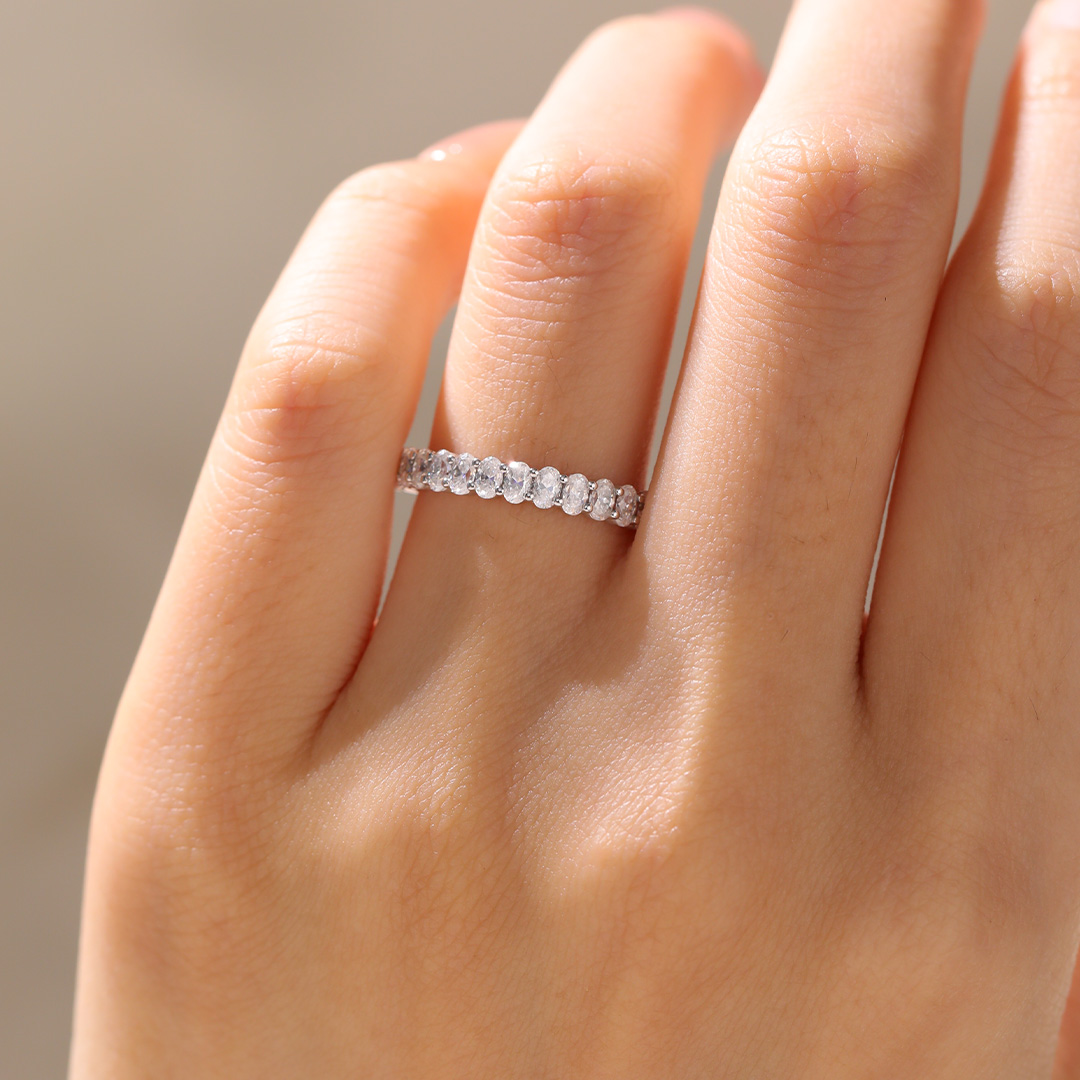
Visually, cubic zirconia often appears very bright, sometimes even more sparkly than a real diamond due to its high light dispersion. However, this intense sparkle can look slightly different from the more balanced brilliance of genuine diamonds when viewed closely.
Cubic zirconia is best suited for:
Fashion jewelry
Statement pieces
Occasional or everyday wear without long-term investment concerns
Other Diamond Simulants
Beyond cubic zirconia, there are other popular diamond simulants used in imitation diamond jewelry, though they are less common.
Some materials are chosen for their optical characteristics, while others prioritize durability or cost. These alternatives may vary in hardness, clarity, and overall appearance, but all share the same goal: creating a diamond-like look without being a real diamond.
Because their physical properties differ from actual diamonds, these simulants are generally recommended for lighter wear or decorative jewelry rather than lifetime pieces.
How Imitation Diamonds Look in Jewelry
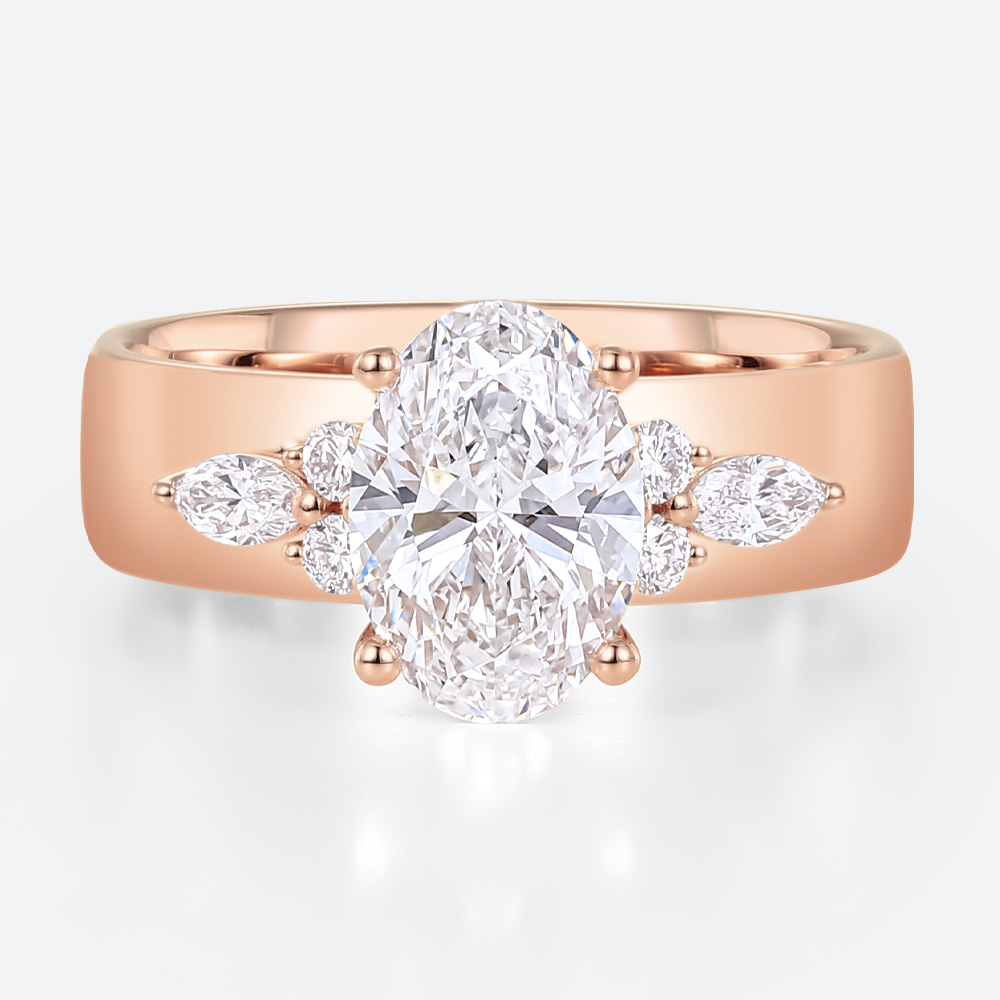
When set properly, imitation diamonds can look impressive in many jewelry styles. Earrings, pendants, and fashion rings often showcase these stones beautifully, especially when viewed at normal distances.
For most people, the appeal lies not in perfect authenticity, but in visual impact and affordability. This is why imitation diamonds remain a popular choice in diamond jewelry alternatives.
IV. Are Imitation Diamonds Suitable for Engagement Rings?
One of the most common questions shoppers ask is whether imitation diamonds are appropriate for engagement rings.
The answer depends entirely on expectations, lifestyle, and priorities.
Appearance vs. Longevity
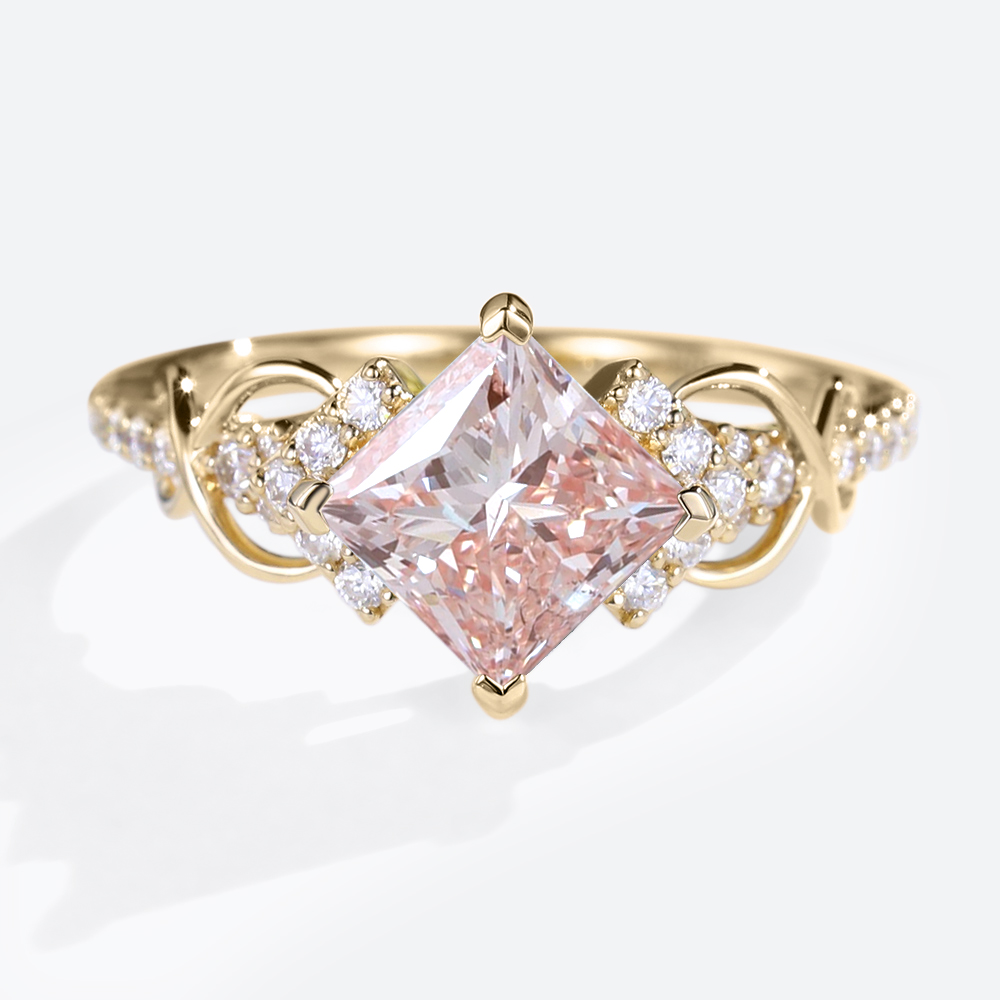
From a visual standpoint, imitation diamonds — especially cubic zirconia — can look stunning in engagement ring settings. To the average person, they often appear very similar to real diamonds at first glance.
However, engagement rings are typically worn every day. Over time, imitation diamonds may show signs of wear more quickly due to differences in hardness and durability compared to natural or lab grown diamonds.
This doesn’t make them a poor choice — it simply means they are better suited for certain situations.
When Imitation Diamonds Make Sense
Imitation diamonds can be a thoughtful and practical option when:
Budget is a top priority
The ring is intended as a temporary or travel ring
Style and design matter more than material rarity
The wearer prefers a low-risk, low-maintenance piece
For some couples, an imitation diamond engagement ring represents freedom from tradition and a focus on symbolism rather than material value.
When a Real Diamond May Be Better
If long-term durability, emotional permanence, or resale value is important, many buyers eventually choose a genuine diamond, whether natural or lab grown.
Natural and lab grown diamonds share the same chemical composition and physical properties, making them more suitable for lifetime wear.
That said, imitation diamonds still play a valuable role in helping buyers explore styles, sizes, and settings before committing to a more permanent option.
V. How to Choose Between Natural, Lab Grown, and Imitation Diamonds
When comparing natural diamonds, lab grown diamonds, and imitation diamonds, the right choice isn’t about which option is “better” — it’s about which one fits your lifestyle, values, and expectations.
Each type of diamond alternative serves a different purpose in modern diamond jewelry.
If you value rarity, tradition, and long-term significance, natural diamonds remain unmatched. Formed deep within the earth’s crust over billions of years, they carry emotional weight and historical meaning that many buyers still cherish.
If you want the same beauty and durability without the premium price or mining concerns, lab grown diamonds offer a compelling middle ground. They share the same chemical composition, physical properties, and optical characteristics as natural diamonds, making them virtually indistinguishable to the naked eye.
On the other hand, imitation diamonds — also known as diamond simulants — focus on appearance rather than authenticity. Materials like cubic zirconia deliver impressive brilliance at an affordable price, making them ideal for fashion jewelry, travel rings, or short-term wear.
Understanding these differences helps buyers make confident, informed decisions — especially when shopping for engagement rings or everyday diamond jewelry.
Natural vs Lab Grown vs Imitation Diamonds: Comparison Table
| Feature | Natural Diamonds | Lab Grown Diamonds | Imitation Diamonds |
|---|---|---|---|
| Origin | Formed naturally in the earth’s mantle over billions of years | Created in labs using advanced technology | Manufactured materials designed to look like diamonds |
| Chemical Composition | Pure carbon | Pure carbon | Varies (not carbon-based) |
| Physical Properties | Extremely hard (Mohs scale 10) | Same as natural diamonds | Softer than real diamonds |
| Optical Characteristics | Balanced brilliance and fire | Same brilliance as natural diamonds | Often more sparkle, but less depth |
| Durability | Excellent for everyday wear | Excellent for everyday wear | Best for occasional or fashion wear |
| Appearance to Naked Eye | Naturally unique | Visually identical to natural diamonds | Diamond-like, but different under close inspection |
| Use in Engagement Rings | Very common | Very common | Less common, usually budget-focused |
| Long-Term Value | High emotional and resale value | Lower resale, strong practical value | Minimal resale value |
| Price Range | Highest | More affordable than natural | Most affordable option |
| Common Examples | Earth-mined diamonds | Lab created diamonds | Cubic zirconia, other diamond simulants |