

Sustainable jewelry is jewelry made and sold with attention to its environmental impact, the people in its supply chain, and how long the piece can be worn, repaired, or reused. It is not a single material or a universal certification. A more useful question than “Is this ring sustainable?” is: Which specific practices can the seller explain and substantiate for this piece?
Recycled gold, responsibly sourced gemstones, fair labor practices, and durable design can each matter. None alone proves that a finished piece has no environmental harm. This guide explains what to look for, what to ask, and how to make a choice you will love wearing for years.
In This Guide
- What sustainable and ethical jewelry mean
- Materials: recycled and responsibly sourced
- Gemstones and lab-grown stones
- People, production, and environmental impact
- The circular economy
- Certifications and claims
- Choosing sustainable jewelry: a checklist
- Frequently asked questions
What Is Sustainable Jewelry—and How Is It Different From Ethical Jewelry?
There is no one ingredient that makes jewelry sustainable. The term generally points to efforts to reduce harm across materials, manufacturing, labor, shipping, use, and end of life. Ethical jewelry focuses particularly on the people involved: safe conditions, fair wages, workers' rights, and responsible purchasing from suppliers and mining communities. The two ideas overlap, but they are not interchangeable.
| Question to ask | What a useful answer looks like |
|---|---|
| Where did the metal and stones come from? | A specific source, supplier, documented recycled content, or a clearly stated limit to traceability. |
| How were people treated? | Policies and checks addressing pay, safety, child labor, and supplier risks—not simply “handmade” or “fair.” |
| What happened during production? | Details about energy, water, chemicals, scrap recovery, and packaging where relevant. |
| Will the piece last? | Appropriate materials, practical care instructions, resizing or repair options, and a style you want to keep. |
The FTC's Green Guides caution against broad, unqualified environmental claims such as “eco-friendly.” In other words, product descriptions should explain what benefit is claimed, which part of the product it covers, and what evidence supports it. “Sustainable” is a starting point for questions, not a substitute for answers.
Recycled Metals and Responsibly Sourced Precious Materials
Recycled gold, silver, and other precious metals
Gold and silver can be refined and used again in fine jewelry. A ring made with recycled precious metals may draw on old jewelry, production scrap, or other recovered material. Reusing existing metal can be one way to manage material demand, but refining still uses resources, and a recycled-content claim does not by itself demonstrate that a brand has stopped new mining or reduced the total impact of the jewelry industry.
Ask whether “recycled gold” refers to the entire gold component or only a percentage, and whether the claim concerns the product or its packaging. The FTC advises that partial recycled-content claims be qualified with the amount used. For a sterling silver band or a gold setting, the metal content and recycled content are separate questions: “sterling silver” describes an alloy, not its sourcing history.
Responsible mining still matters
Recycling does not make the people who depend on mining operations disappear. Some small-scale mining communities rely on the sale of precious metals for their livelihoods. Responsible sourcing can instead include documented labor protections, safer handling of toxic chemicals, reduced water pollution, and environmental rehabilitation. Gold mining can create risks such as soil degradation; whether those risks are managed depends on the operation, not on a simple “mined versus recycled” label.
For example, the Fairmined Standard addresses specified social, environmental, labor, and traceability requirements for participating artisanal and small-scale mining organizations. That does not mean every newly mined gold product is Fairmined, or that any jewelry brand is certified merely because it discusses fair trade. Request the actual standard, certificate or supplier information when a particular piece is sold with such a claim.
Ethically Sourced Gemstones, Lab-Grown Stones, and Diamonds
A gemstone's appearance does not reveal its full supply chain. Natural stones may pass through miners, traders, cutters, and setters in several countries. Ethical sourcing asks how risks are identified and addressed along that route, including child labor, unsafe work, and the treatment of local communities. “Conflict free” is narrower than “fully ethical”: not financing armed conflict does not, by itself, prove fair wages or safe working conditions.
The OECD's mineral supply-chain guidance describes risk-based due diligence rather than a one-time “clean source” label. Ask what a seller knows about a stone's origin, treatment, cutting, and supplier checks—and be wary of unsupported guarantees that every gem is ethically sourced.
Are lab-grown diamonds automatically sustainable? No. Lab-grown diamonds avoid diamond mining for the stone itself, but growing and cutting them requires energy and equipment. The environmental impact depends on the manufacturing process, electricity source, yield, and the boundaries of any comparison. Likewise, natural diamonds do not all come from the same mining conditions. Look for stone-specific disclosure and credible evidence rather than assuming either category is impact-free. GIA explains the distinction between natural and laboratory-grown diamonds; the source of a diamond should be stated clearly.
Fair Labor, Responsible Making, and the Environmental Impact
The people involved in making jewelry include miners, stone cutters, metal refiners, bench jewelers, polishers, and packers. Fair labor practices mean more than a pleasant workshop photograph: ask about pay, hours, protective equipment, worker voice, and how a jewelry brand checks suppliers. Child labor and other serious risks require active due diligence, not just a promise on a homepage.
Handcraftsmanship can create skilled work and one-of-a-kind or personalized pieces. It does not automatically make a product lower-carbon than machine production. On the environmental side, relevant questions include whether scrap metal is recovered, whether hazardous substances are controlled, how water is managed, and whether energy use is measured. A claim such as “made with renewable energy” should explain its scope. Eco-friendly packaging is worth considering, but a recyclable box cannot compensate for unsupported claims about the jewelry inside it.
The best sustainable jewelry brands are willing to discuss trade-offs. A supply chain with partial traceability should say so. A certification that covers one supplier or one material should not be presented as proof that every product, stone, and manufacturing step meets the same standard.
The Circular Economy: Wear, Repair, Reset, and Reuse
Choosing sustainable jewelry is also about what happens after purchase. In a circular economy, pieces and materials remain in use rather than being discarded after a short trend cycle. An inherited ring can be resized; a loose gemstone can be reset; broken clasps can be repaired; old jewelry can be given a second life. Recycled jewelry and vintage pieces are options, but a well-made new piece kept for decades can also fit a thoughtful approach.
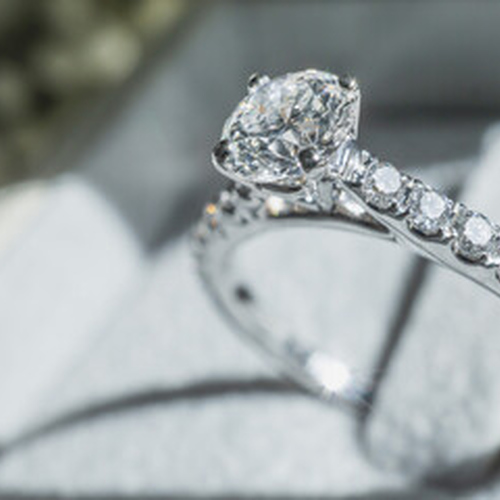
Before buying, consider the item's durability, setting security, metal maintenance, and whether repairs are practical. If you are choosing an engagement ring for daily wear, ask how its gemstone and setting will handle your routine. There is no need to buy an extra “sustainable” piece if you can enjoy or update one you already own.
Ethical Jewelry Brands: What Do Certifications Actually Prove?
Third-party standards can be useful, but check the scope. The Responsible Jewellery Council distinguishes its organizational Code of Practices from its Chain of Custody standard for traceable gold, silver, and platinum-group metals. Membership or a company-level certificate is not automatically a product-level guarantee of recycled content or the provenance of every gemstone. Fairmined has a different scope: specified precious metals from participating small-scale mining organizations.
When reviewing an ethical jewelry brand, look for a current certificate, the certified entity, the covered materials and facilities, and whether the particular item qualifies. For statements like “recycled,” “conflict free,” “fair trade,” or “carbon neutral,” ask for a clear definition and supporting records. A label alone is not the evidence; specific, verifiable disclosure is.

Choosing Sustainable Jewelry: A Five-Question Checklist
- Which part of this piece is the claim about? Metal, gemstones, manufacturing, packaging, or the whole finished product?
- What can be traced? Ask for the gold or silver source, any recycled percentage, stone origin when available, and the limits of the seller's knowledge.
- What protects people? Look for supplier due diligence addressing fair wages, safe work, workers' rights, and child labor risks.
- What supports the environmental claim? Ask about measured energy and water use, waste materials, recycled content, or a clearly defined standard—rather than accepting “planet friendly.”
- Will you wear and maintain it? Check the setting, aftercare, resizing, and repair options. The most meaningful piece is one suited to your life.
You do not need a perfect answer to every question to make a thoughtful choice. Compare the evidence available, note the unknowns, and prioritize the issues that matter most to you. When browsing LisaJewelryUS engagement rings, check the individual product description and ask the team for material, gemstone, and care details before relying on any sustainability claim.

Frequently Asked Questions
What is sustainable jewelry?
Sustainable jewelry is an approach to sourcing, making, using, and eventually reusing jewelry that aims to reduce environmental and social harm. The term is broad, so ask which practices a seller can document for the specific piece.
Is ethical jewelry the same as sustainable jewelry?
Not exactly. Ethical jewelry emphasizes human and animal welfare and responsible sourcing; sustainability also considers resource use, pollution, longevity, and end-of-life options. A piece can perform well in one area and leave questions in another.
Is recycled gold always better than newly mined gold?
Not automatically. Recycled gold can reuse existing material, but refining has impacts and a recycled-content label says little about labor or traceability unless supported by more information. Responsibly managed mining can support livelihoods; compare specific practices rather than treating either source as a blanket guarantee.
Are lab-grown diamonds eco-friendly?
Lab-grown diamonds avoid mining the diamond itself, but their production consumes energy and materials. Ask about the producer's electricity, process, and evidence behind any environmental comparison. “Lab-grown” is an origin description, not proof of an overall environmental benefit.
Does “conflict free” mean a gemstone is ethically sourced?
No. A conflict-related claim addresses a narrower risk. It does not automatically establish fair labor, the absence of child labor, safe cutting conditions, or low environmental impact across the supply chain.
What does an RJC certificate tell me?
It depends on the standard, certified entity, and scope. The Responsible Jewellery Council has separate standards for company practices and chain of custody. Check the current certificate and ask whether the metal or product you want is actually covered.
Can a vintage or repaired ring be a sustainable choice?
It can be a thoughtful way to keep a piece in use, especially if it suits your style and can be maintained. Have the setting and stones checked, and compare repair needs before purchase or resetting.
What should I ask an ethical jewelry brand before buying?
Ask which materials are recycled or traceable, what is known about the stone's source, how suppliers are checked for labor risks, what a certification covers, and what care or repair support is available. Request details for the specific item, not only a general brand promise.
The Bottom Line
Sustainable jewelry is a practice of asking better questions, not a flawless category of rings. Recycled metals, responsibly sourced gems, fair labor, careful production, and a long useful life all have a role. Choose a piece you love, look for claims you can verify, and be comfortable asking what remains unknown.