
At first glance, the price of lab-grown diamonds may seem simple — they’re often more affordable than natural diamonds. But once you start comparing options, it becomes clear that not all lab created diamonds are priced the same.
Two diamonds with identical carat weight can differ significantly in cost. Some grown diamonds appear surprisingly budget-friendly, while others approach the pricing of fine jewelry traditionally made with mined stones. This leaves many buyers wondering: what actually determines the price of lab-grown diamonds?
Unlike natural diamonds, which form deep within the earth’s mantle through an extremely long natural diamond growing process, lab grown diamonds are created using advanced technological processes in controlled environments. Yet despite this modern origin, their pricing is influenced by many of the same quality factors that affect mined diamonds — along with a few unique ones.
Understanding these pricing drivers helps buyers make smarter decisions, especially when shopping for engagement rings or selecting a meaningful center stone. Instead of focusing only on the headline price, it becomes possible to evaluate a diamond’s true value based on its specifications, structure, and performance.

I. What Determines the Price of Lab-Grown Diamonds?
The lab grown diamond price is not a fixed standard. Just like natural stones, the cost of lab diamonds is shaped by a combination of technical and visual factors.
These include:
Carat weight
Diamond shapes
Overall diamond’s quality
Growth method
Certification
Each of these elements influences how carbon atoms arranged within the crystal lattice structure affect the diamond’s final appearance and durability.

Carat Weight Still Plays a Major Role
Carat weight remains one of the most important drivers of lab grown diamonds cost.
However, unlike natural diamonds — where prices rise sharply with size due to rarity — lab created diamonds follow a more gradual pricing curve. This is because they are produced through advanced technological processes rather than being limited by geological scarcity.
As a result, buyers often find that larger grown diamonds are more accessible than their mined counterparts. This makes it possible to choose a more impressive center stone without dramatically increasing the overall budget — particularly important for engagement rings.
Diamond Shapes Can Influence Pricing
Many buyers overlook how diamond shapes affect the price of lab-grown diamonds.
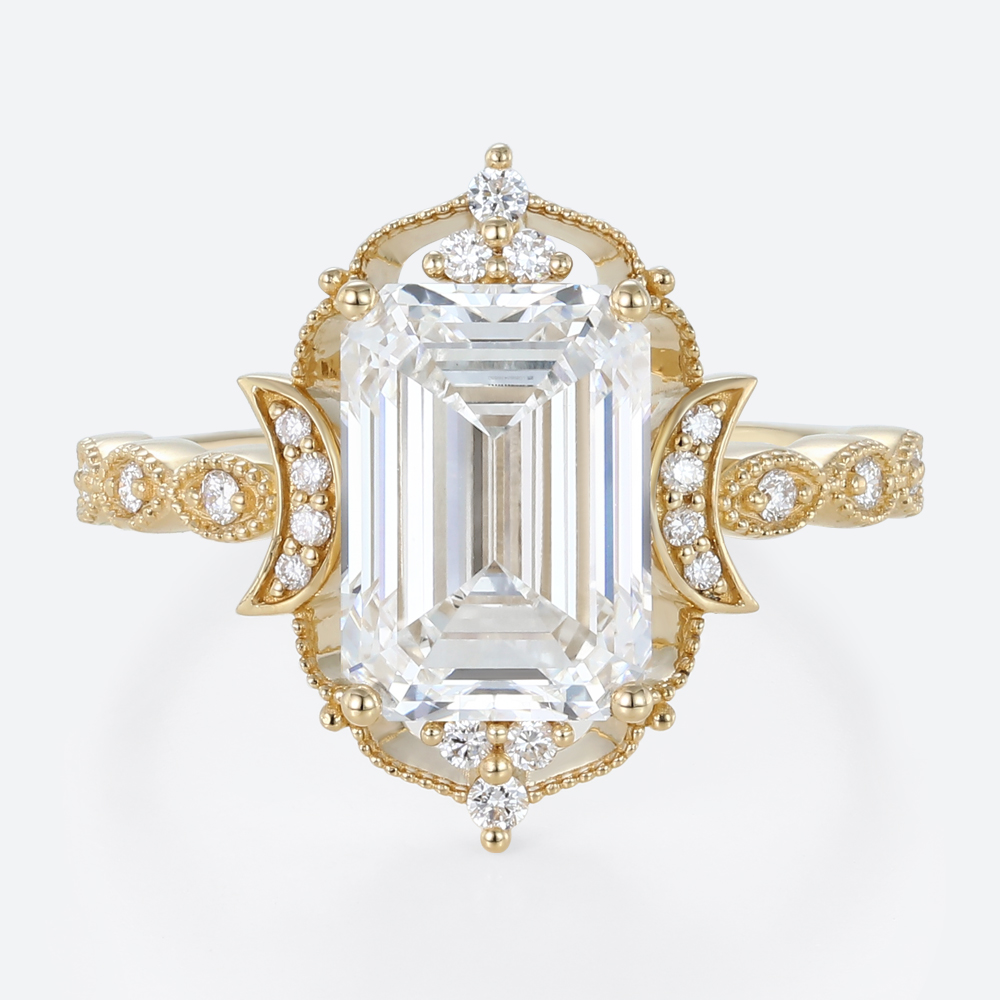
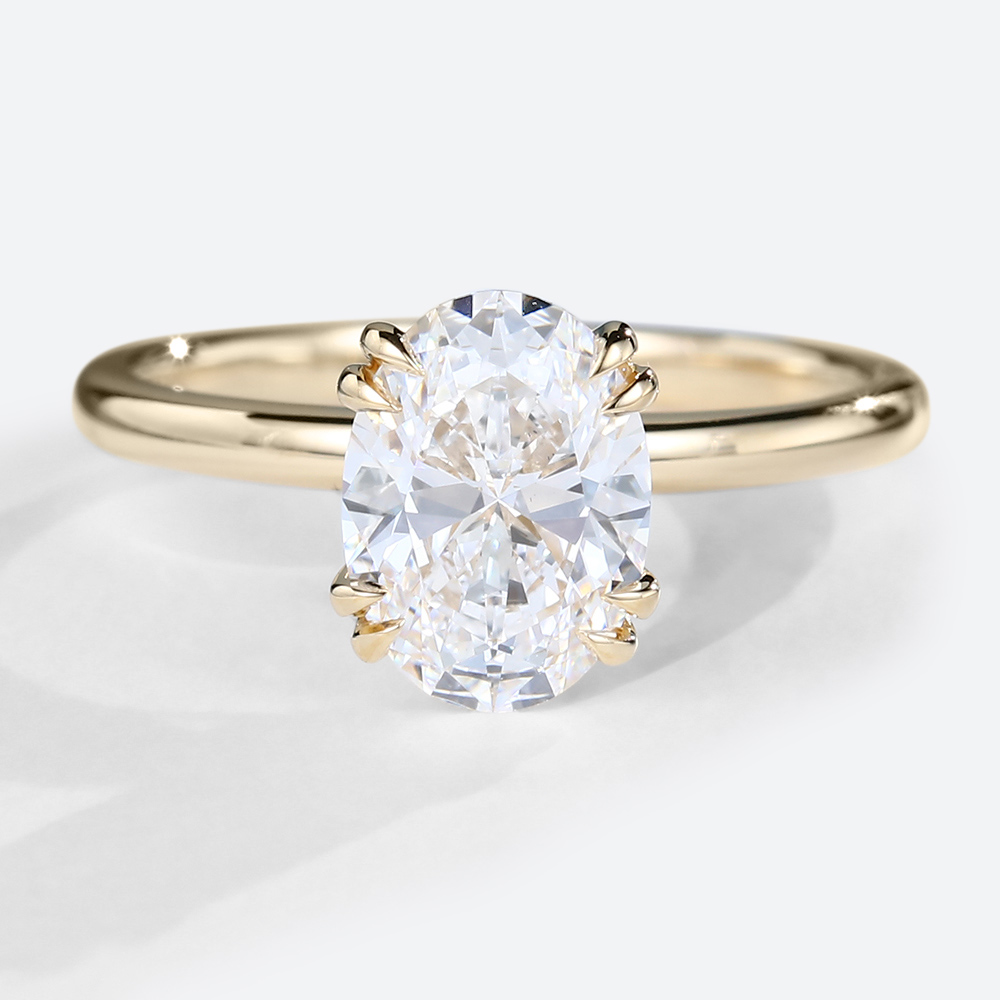
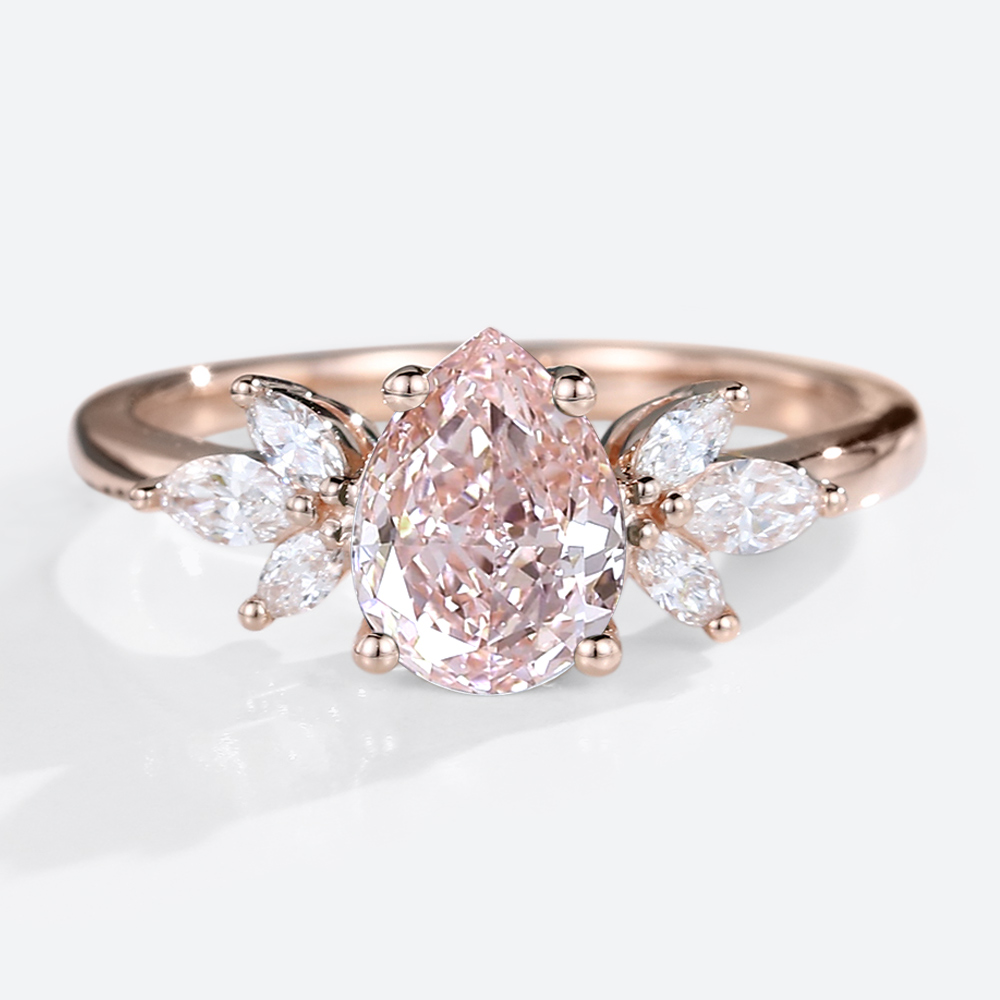
Round diamonds typically require more material loss during cutting, which can increase cost. In contrast, fancy shapes — such as oval, pear, or emerald — may retain more of the original crystal formed during the growth process.
Because lab grown diamonds are created from pure carbon through controlled formation of crystal lattice structures, the efficiency of shaping can impact both the final diamond’s quality and its pricing.
Choosing the right shape can therefore be a strategic way to balance exceptional beauty with cost efficiency.
II. Technology and Growth Method Influence Pricing
One of the most important — yet often misunderstood — factors affecting the price of lab-grown diamonds is the way they are created.
Although lab diamonds share the same chemical composition and same brilliance as their mined counterparts, they are produced through two primary methods. Each method affects how carbon atoms are arranged during the growth process, which in turn influences clarity, structure, and cost.
Some diamonds are grown to achieve near perfect diamond standards in terms of visual performance. Others are developed with a stronger focus on balancing value and beauty.
Because these diamonds are formed in controlled environments rather than deep within the earth, manufacturers can tailor growth outcomes to meet different market trends and buyer expectations.
This flexibility is what allows lab grown options to exist across a wide price spectrum — from entry-level stones to premium fine jewelry selections.
III. Clarity and Quality Still Matter — Even in Lab Diamonds
Many buyers assume that lab grown diamonds automatically guarantee flawless quality. In reality, clarity plays a significant role in pricing.
Even though lab diamonds are not shaped by natural geological pressure, inclusions can still form during growth. These may appear differently than in natural stones but still affect how light moves through the diamond.
A diamond graded IF clarity typically commands a higher price because it reflects exceptional internal structure and light performance.
At the same time, many diamonds with slightly lower clarity grades offer:
The same quality to the naked eye
The same brilliance in everyday lighting
Better overall value
This makes it possible to find a diamond that perfectly complements personal taste without overspending.
Understanding clarity is especially important when evaluating diamonds based on certification from a trusted gemological institute, as grading reports help buyers compare diamonds objectively rather than relying on marketing descriptions.

IV. Ethics, Origin, and Personal Preference Also Shape Value
Beyond physical characteristics, pricing is increasingly influenced by modern priorities such as sustainability and transparency.
Today’s buyers are not only comparing lab grown diamonds to mined stones based on appearance — but also based on:
Ethical sourcing
Environmental impact
Social responsibility
For many, lab diamonds represent an ethical alternative to traditional natural stones.
While mined counterparts are created through geological forces over millions of years, lab diamonds are produced with minimal environmental disruption, addressing growing ethical concerns in the jewelry industry.
Because lab diamonds share the same chemical properties and visual beauty as natural diamonds, they allow buyers to choose based on:
Personal taste
Budget priorities
Values
Rather than scarcity alone.
In this way, the price of lab-grown diamonds is no longer determined solely by rarity — but also by shifting consumer priorities and evolving definitions of luxury.
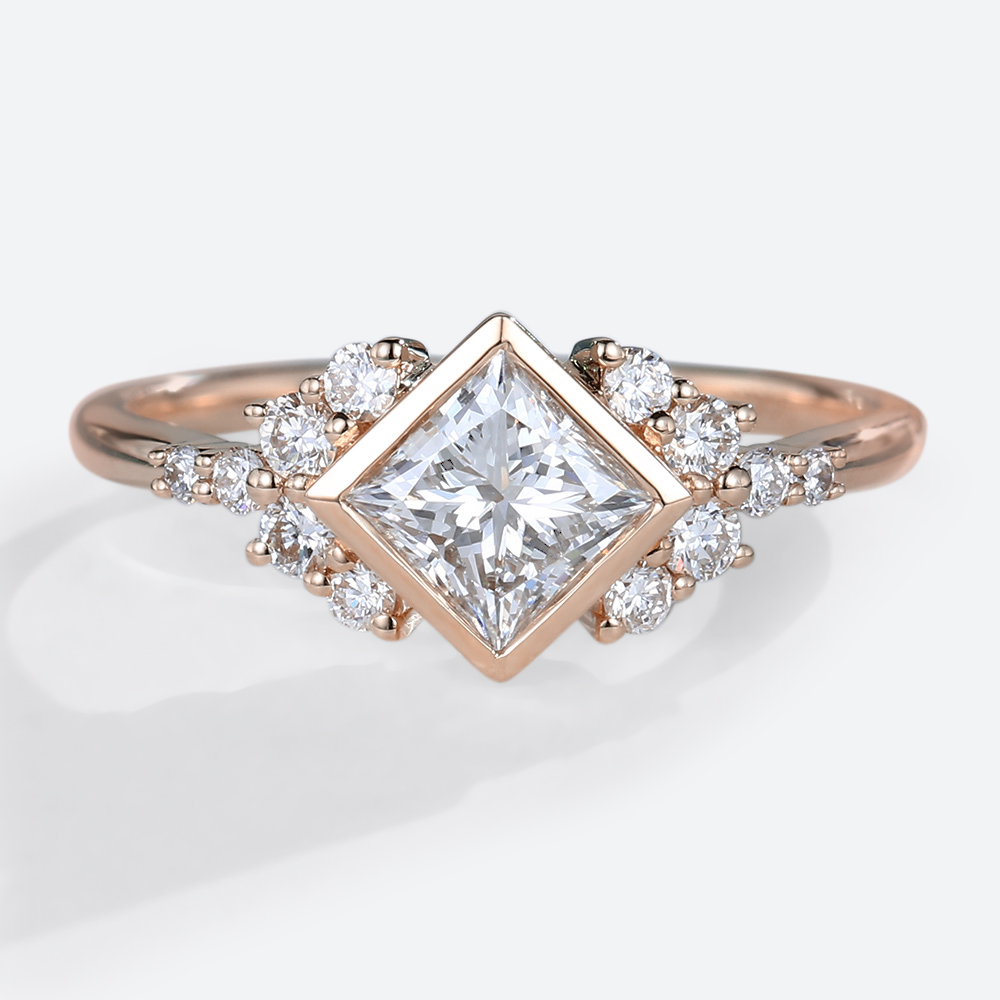
V. Market Trends Are Reshaping Diamond Value
The price of lab-grown diamonds is no longer determined by rarity alone — but by evolving consumer priorities and changing market trends.
Unlike mined counterparts, which rely on natural scarcity, lab diamonds are produced through advanced technological processes. This means their pricing reflects:
Production efficiency
Demand for ethical luxury
Improvements in advanced technological processes
As innovation continues, lab diamonds are becoming increasingly accessible without compromising beauty.
Buyers today are choosing diamonds not just based on tradition, but based on:
- The same chemical composition
- Optically identical appearance
- Responsible sourcing
This shift explains why lab grown diamonds are now widely used in engagement rings and fine jewelry — offering exceptional beauty without the historical pricing limitations of mined stones.
Ultimately, understanding the price of lab-grown diamonds is about recognizing that value today is defined not just by origin, but by quality, ethics, and personal meaning.

Conclusion
When evaluating the price of lab-grown diamonds, it’s important to look beyond the assumption that all lab diamonds cost the same.
Their value is shaped by a combination of:
Carat weight
Diamond’s specifications
Clarity and structure
Advanced growth processes
Ethical sourcing priorities
Because lab diamonds share the same chemical composition and brilliance as natural diamonds, they offer buyers the opportunity to choose based on what truly matters — whether that’s size, quality, sustainability, or personal taste.
Understanding these factors helps transform diamond buying from a price comparison into a more informed and meaningful decision.