









I. What Are IGI Diamond 4Cs Standards
When shopping for a certified diamond, one of the most important things to understand is how its quality is evaluated. The IGI diamond 4Cs standards refer to the grading system used by the International Gemological Institute, one of the leading organizations in the global diamond industry.
These standards are based on four key factors: carat weight, diamond cut, diamond color, and diamond clarity. Together, they define the overall diamond quality and help buyers compare different stones with confidence.
An IGI diamond grading report provides a detailed breakdown of these characteristics. Whether you are looking at natural diamonds or lab grown diamonds, the report ensures transparency and verifies the diamond’s authenticity.
Today, IGI is especially well known for grading lab grown diamonds, offering consistent standards across both lab and natural stones. This makes it easier for buyers to evaluate diamonds fairly, regardless of their origin.
Understanding how the IGI 4Cs system works is the first step in assessing diamond quality and choosing the right stone for your needs.
II. Why IGI Certification Matters for Diamond Quality
A reliable diamond certification is essential when purchasing any diamond. Without proper certification, it becomes difficult to accurately judge a stone’s value, especially when comparing two diamonds with similar appearance but different underlying quality.
IGI provides detailed diamond grading reports that outline key features such as clarity grades, diamond cut, and carat weight. These reports allow buyers to understand not only the visible beauty of a diamond, but also its internal characteristics, including visible inclusions and overall clarity characteristics.
For example, a diamond that appears flawless to the naked eye may still contain inclusions that affect its grading. IGI certification helps clarify these differences, distinguishing between stones such as internally flawless diamonds and those with minor imperfections.
Certification also plays a major role in determining diamond price. Even diamonds with the same carat weight can vary significantly in value depending on their diamond clarity, cut quality, and overall light performance.
In today’s market, IGI is particularly trusted for lab grown diamonds, where consistent grading standards are essential. Because lab diamonds are produced in controlled environments, accurate certification ensures they meet the same expectations as their natural counterparts.
Ultimately, choosing a certified diamond with an IGI report provides confidence in both quality and value, helping buyers make informed decisions in a complex and competitive market.
III. IGI Diamond 4Cs Standards Explained
The IGI diamond 4Cs standards are used worldwide to evaluate a diamond’s overall quality. These four factors—carat, cut, color, and clarity—work together to determine a stone’s value, visual appeal, and pricing.
Understanding how each factor affects a diamond will help you make more informed decisions when choosing the right stone.
Carat Weight: How Diamond Size Impacts Value and Price
Carat refers to a diamond’s weight, not its size, although larger stones often appear more visually impressive. Even a small difference in carat weight can significantly impact diamond price, especially when reaching key thresholds such as one carat.
For example, two diamonds with the same carat weight may still vary in value depending on their overall diamond quality and proportions. Larger stones often command premium prices, particularly when combined with high clarity and excellent cut.
When selecting a diamond, it’s important to balance carat with other factors to ensure the best visual impact within your budget.
Diamond Cut The Key to Light Performance and Brilliance
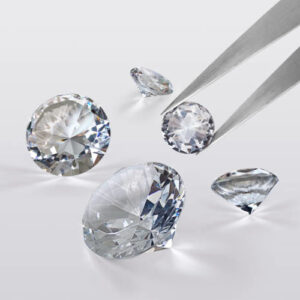
Among the 4Cs, diamond cut has the greatest influence on a diamond’s light performance. A well cut diamond reflects and refracts light efficiently, creating exceptional sparkle, brilliance, and fire.
Cut also determines how light returns to the eye, often referred to as light return. Even a high carat diamond can appear dull if the cut is poor.
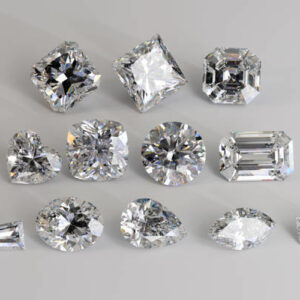
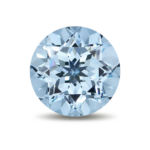
Popular shapes such as round diamonds—especially round brilliants—are designed to maximize light reflection and create superior brilliance. Other fancy shapes may offer a unique appearance but can vary in light performance.
Choosing a well cut diamond ensures the stone delivers maximum beauty and shine, regardless of its size.
Diamond Color Understanding Color Grading from D to Z
Diamond color grading measures how colorless a diamond appears. The scale ranges from D (completely colorless) to Z, where diamonds show visible color such as light yellow or brown tones.
Color plays a major role in a diamond’s appearance and overall value. Diamonds with less color are rarer and often command higher prices, especially when combined with high clarity and excellent cut.
However, some buyers prefer diamonds with a slight warmth in tone, depending on personal style or metal choice. For example, warmer diamonds may pair beautifully with yellow gold settings.
Understanding the balance between color and other factors helps you choose a stone with the best overall visual appeal.
Diamond Clarity Evaluating Inclusions and Internal Characteristics
Diamond clarity refers to the presence of internal and external imperfections, known as inclusions and blemishes. These clarity characteristics are evaluated under magnification and recorded in official diamond grading reports.
Clarity grades range from internally flawless to stones with visible inclusions. In many cases, inclusions are not visible to the unaided eye, meaning the diamond can still appear clean and brilliant.
Terms such as slightly included or eye clean are often used to describe diamonds that offer a good balance between clarity and value.
While higher clarity grades can lead to premium prices, many buyers choose diamonds with minor inclusions that do not affect the stone’s overall brilliance or beauty.
IV. IGI Diamond Certification vs Other Gemological Institutes
When comparing diamond certification, the International Gemological Institute IGI is one of the most recognized organizations in the global diamond industry. Alongside other gemological institutes, IGI provides detailed diamond grading reports that evaluate a diamond’s quality based on standardized criteria.
An IGI certificate includes essential information such as carat, clarity, color grading, and diamond cut, giving buyers a clear understanding of a stone’s quality and authenticity. These IGI reports are widely used for both natural diamonds and lab grown diamonds, making them especially relevant in today’s market.
Compared to other laboratories, IGI is often preferred for grading lab grown diamonds, as it offers consistent evaluation standards across different types of stones. This consistency provides an added level of assurance lab testing that helps buyers trust the grading process.
Ultimately, choosing a diamond with proper diamond certification ensures transparency, supports fair diamond price comparison, and confirms the stone’s authenticity.
V. IGI Diamond 4Cs for Lab Grown Diamonds
The application of IGI diamond 4Cs standards is especially important when evaluating lab grown diamonds. Although these diamonds are created in controlled environments, they share the same physical and optical properties as natural stones.
Because of this, IGI uses the same diamond grading system for both lab diamonds and natural diamonds. Each stone is carefully examined for clarity, color, cut, and carat weight, ensuring consistent evaluation across the market.
One advantage of lab grown diamonds is that they often offer higher apparent quality at more accessible price points. Buyers can sometimes choose stones with better clarity or larger carat size without reaching the premium prices associated with rare natural diamonds.
However, proper certification remains essential. An IGI certificate confirms the diamond’s authenticity, verifies its characteristics, and ensures that buyers are comparing stones fairly when making purchasing decisions.
VI. How to Choose a Certified Diamond Using IGI 4Cs Standards
Choosing the right diamond requires balancing multiple factors. The IGI diamond 4Cs standards provide a practical framework for evaluating each stone and selecting the best option for your needs.
First, consider your priorities. If you want maximum sparkle and brilliance, focus on a well cut diamond with excellent light performance. If size matters more, you may prioritize carat weight while balancing clarity and color.
Second, evaluate clarity carefully. Many diamonds with minor inclusions are not visible to the unaided eye, meaning you can achieve strong visual appeal without paying significantly higher prices. Choosing an eye clean stone is often the best value.
Third, consider diamond shape and style. Classic round diamonds offer maximum brilliance, while fancy shapes provide a more unique look. Your choice should reflect your personal style and how the ring will be worn daily.
Finally, always review the diamond grading report. An official IGI certificate ensures that all characteristics—from clarity grades to color grading—have been independently verified, helping you make confident and informed decisions.
VII. Final Thoughts on IGI Diamond 4Cs Standards
Understanding the IGI diamond 4Cs standards is essential for anyone looking to purchase a high quality diamond. These standards provide a clear and consistent way to evaluate diamond quality, compare different stones, and understand how factors like clarity, carat, and cut affect overall value.
Whether you are choosing between natural diamonds or lab grown diamonds, an IGI certified diamond offers transparency, reliability, and peace of mind. By learning how the 4Cs work together, you can confidently select a diamond that balances beauty, durability, and price.
In the end, the right diamond is not just about specifications—it’s about finding a stone that delivers lasting brilliance, meaningful value, and timeless elegance.