

I. How Artificial Intelligence Is Transforming Lab Diamonds Production and Analysis
The impact AI on lab diamond development is becoming increasingly visible across the modern diamond industry. What was once a highly manual and experience driven process is now evolving through the use of artificial intelligence, reshaping how lab grown diamonds are created, analyzed, and refined.
At the production level, AI is playing a growing role in optimizing lab grown diamond production, particularly in methods such as chemical vapor deposition. During the CVD process, diamonds are formed layer by layer in controlled environments, and even small variations can influence the final result. By applying AI systems, manufacturers can monitor conditions in real time, adjust variables, and improve consistency across batches.
This is where machine learning becomes especially valuable. By analyzing large sets of production data, AI algorithms can identify patterns that would be difficult for humans to detect. Over time, this leads to more efficient diamond production, fewer defects, and a higher level of precision in how diamonds grown in labs are developed.
For jewelry manufacturers, this means greater control over quality and scalability. Instead of relying solely on manual adjustments, they can use AI tools to refine each stage of the process, from growth conditions to initial evaluation.
As advanced technology continues to evolve, lab diamonds are becoming more consistent, more predictable, and more aligned with modern market demand—marking a significant shift in how diamonds are produced today.
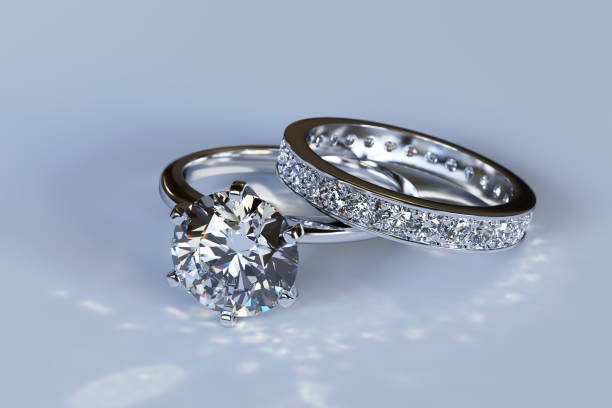
II. AI Driven Diamond Grading Process A New Standard for Accuracy
Beyond production, one of the most significant changes brought by artificial intelligence AI is in the diamond grading process.
Traditionally, diamond grading has relied heavily on human expertise. While experienced graders are highly skilled, the process can still be influenced by human error, subtle perception differences, and varying standards across institutions. This is where AI driven diamond grading is beginning to redefine expectations.
Using advanced imaging and data analysis, AI powered systems can evaluate key characteristics such as carat weight, clarity, and proportions with a high degree of consistency. By removing subjectivity, these systems help establish more consistent grading standards, which is particularly important as the lab grown diamond market continues to expand.
Another advantage is scalability. As demand for both lab created diamonds and natural diamonds grows, the need for faster and more reliable grading increases. AI enables large volumes of stones to be assessed efficiently without compromising accuracy.
For buyers, this has a direct impact. More reliable grading leads to greater transparency, improving confidence when purchasing diamond jewelry or investing in pieces of fine jewelry. It also helps bridge the gap between mined diamonds and lab diamonds by ensuring both are evaluated using increasingly standardized methods.
As the grading process continues to evolve, AI is not replacing human expertise—it is enhancing it, creating a more precise and trustworthy system for the modern diamond market.
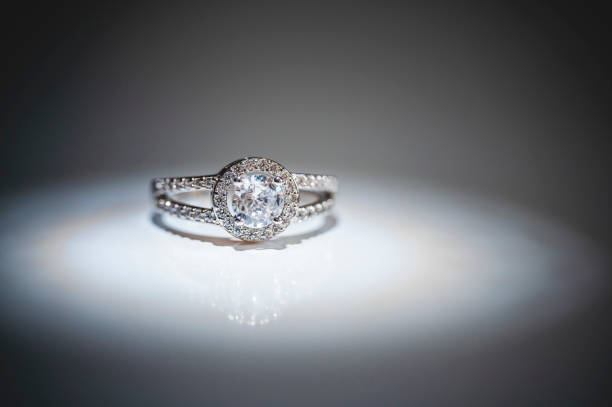
III. AI Powered Diamond Grading vs Human Expertise A New Balance
As AI driven diamond grading continues to evolve, an important question emerges: how does it compare to traditional evaluation by human graders?
For decades, diamond grading has relied on trained professionals using their human eye to assess clarity, color, and overall light performance. This approach is built on experience and refined judgment—what many consider the foundation of trust in the industry. However, even the most skilled experts can face limitations. Slight variations in perception or fatigue can introduce inconsistencies, making standardization one of the biggest challenges in grading.
This is where AI based systems are making a significant impact.
By using advanced imaging and data analysis, automated grading can evaluate diamonds with a level of greater precision and repeatability that is difficult to achieve manually. These systems are designed to minimize subjectivity, helping ensure more consistent results across different stones and grading environments.
That said, AI is not replacing people—it is redefining their role. Human expertise remains essential, especially when interpreting complex characteristics or making final quality decisions. Instead of working independently, AI and human graders now complement each other, combining data driven insights with professional judgment.
For jewelry design and production, this collaboration improves both efficiency and quality control, allowing manufacturers to deliver more reliable results while maintaining craftsmanship.
In many ways, this hybrid model represents the future of grading—where technology enhances accuracy, and human insight ensures meaning.
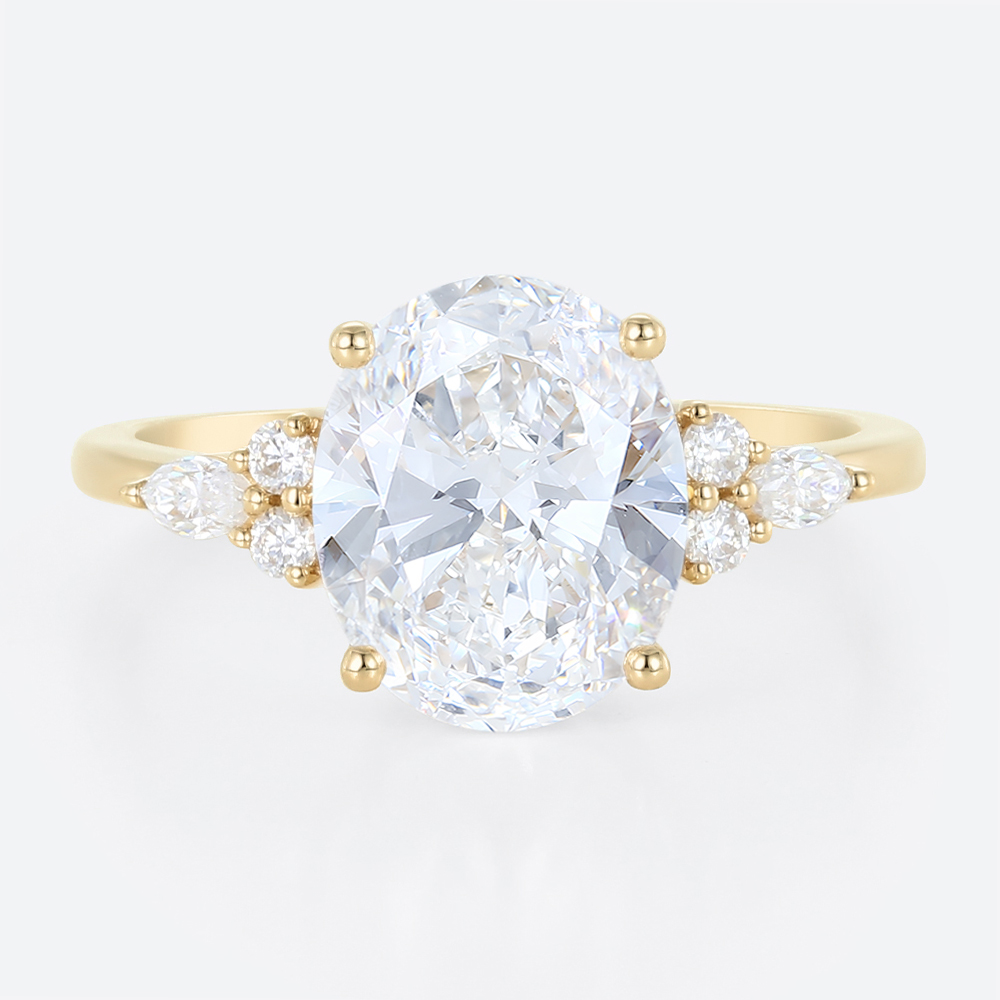
IV. How AI Improves the Buying Experience in Diamond Jewelry
Beyond production and grading, AI is also transforming the buying experience for modern consumers.
Today’s buyers expect more than just a product—they expect guidance, transparency, and confidence. Through AI driven recommendations, platforms can now analyze consumer preferences, browsing behavior, and even previous purchases to suggest diamonds and designs that feel more personalized.
Technologies such as virtual try ons and augmented reality are also reshaping how people interact with diamond jewelry online. Instead of relying solely on static images, buyers can visualize how a ring or piece of fine jewelry will look in real life, creating a stronger emotional connection before making a decision.
AI also plays a role behind the scenes. By improving data analysis and integrating systems like blockchain technology, the industry is moving toward greater transparency in areas such as sourcing and certification. This is particularly important as consumer expectations around ethical sourcing and data privacy continue to grow.
At the same time, AI is helping manufacturers respond more effectively to demand. By analyzing trends and performance data, it is allowing manufacturers to refine production strategies, reduce inefficiencies, and even lower carbon emissions—supporting the shift toward sustainable luxury.
For consumers, all of this leads to one key outcome: greater confidence. Whether selecting a lab diamond engagement ring or exploring new styles, buyers now have access to more information, better tools, and a more intuitive journey than ever before.
As these emerging technologies continue to develop, the connection between technology and jewelry will only deepen—marking a true new era for the industry.
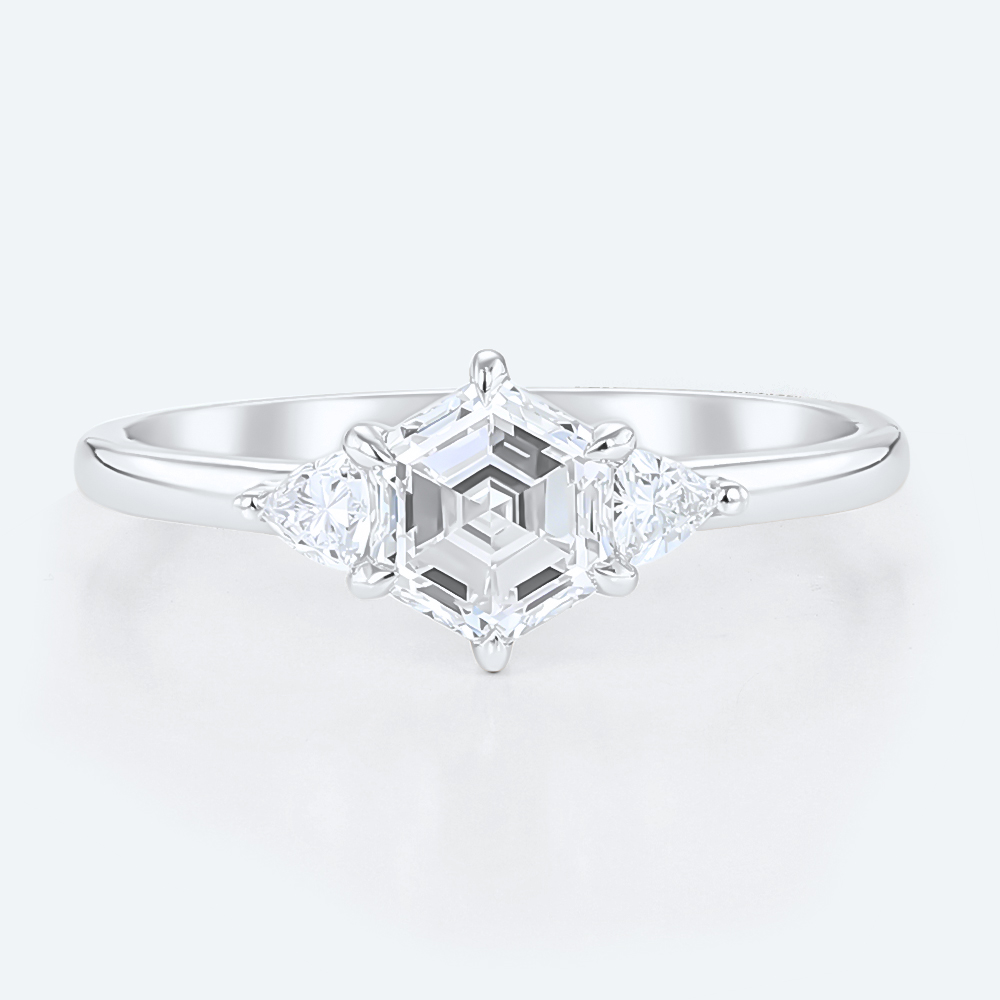
V. The Future of Artificial Intelligence in Lab Diamonds and the Diamond Industry
Looking ahead, the role of artificial intelligence in the diamond industry is only expected to grow.
As AI driven systems continue to evolve, they will play an even greater role in diamond production, helping manufacturers achieve higher levels of consistency, efficiency, and overall quality. From optimizing the CVD process to improving post production analysis, AI is becoming a central tool in how lab grown diamonds are developed and refined.
One of the most important shifts will be the move toward more data driven decision making. By analyzing large datasets across the global market, AI can help predict trends, respond to consumer demand, and guide production strategies with greater accuracy. This not only improves scalability, but also supports more sustainable growth across the industry.
Emerging technologies such as blockchain tracking are also expected to work alongside AI, providing greater transparency in sourcing, certification, and distribution. This will be particularly important as buyers increasingly prioritize trust, traceability, and ethical considerations when choosing diamond jewelry.
At the same time, innovation will continue to shape the customer experience. From more personalized recommendations to immersive digital tools, the future of jewelry retail is moving toward a more immersive experience, where technology and emotion work together to guide decisions.
As these changes unfold, one thing is clear: AI is not just improving processes—it is redefining how the entire diamond ecosystem operates on a global scale.

VI. Final Thoughts How AI Is Reshaping Lab Diamonds
The impact AI on lab diamond development marks a turning point for both technology and tradition.
From production to diamond grading, and from design to the buying experience, AI is introducing a new level of precision, consistency, and accessibility. It is helping bridge the gap between innovation and craftsmanship, allowing the industry to evolve while still preserving what makes diamonds meaningful.
For consumers, this shift brings more than just convenience. It offers greater clarity, improved quality, and a more transparent way to explore and compare options. Whether choosing a lab diamond engagement ring or a piece of fine jewelry, buyers now have access to tools and insights that were not available just a few years ago.
For the industry, the future is about balance—combining human creativity with technological capability. As AI continues to advance, it will not replace the emotional value of jewelry, but it will enhance how that value is delivered.
In the end, diamonds have always represented something beyond their physical form. What AI is doing today is ensuring that this meaning can be experienced with greater confidence, precision, and trust—shaping a new chapter for jewelry in a rapidly changing world.