
I. Introduction
Choosing the size of a diamond is one of the most important decisions when shopping for engagement rings. Many buyers eventually face the same comparison: One Carat vs Two Carat Lab Diamonds. At first glance, the difference seems simple — one diamond weighs one carat while the other weighs two carats. But in reality, the decision involves much more than carat weight alone.
Today, lab grown diamonds have made larger diamonds far more accessible. Compared with natural diamonds, lab created diamonds offer the same physical and chemical properties as real diamonds, meaning they deliver the same brilliance and durability while often costing significantly less. This shift allows buyers to consider larger stones such as a 2 carat diamond without the extreme price gap that once existed with mined stones.
However, bigger is not always automatically better. A one carat diamond can look beautifully balanced on the hand, while a 2 carat lab grown diamond creates a stronger visual presence. The right choice often depends on personal style, budget expectations, and how the diamond will be used in fine jewelry or as the center stone of an engagement ring.
Understanding how carat size, diamond proportions, and overall design influence appearance will help you decide whether a carat lab grown diamond at one carat or two carats better fits your priorities.
II. Understanding Carat Weight in Lab Grown Diamonds
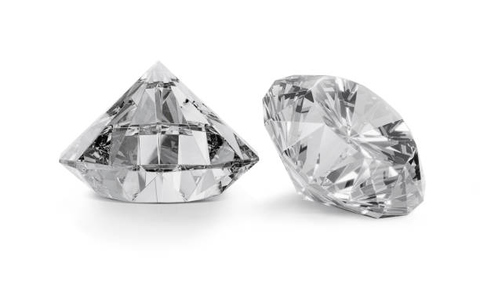
Before comparing a one carat diamond to a 2 carat lab grown diamond, it is helpful to understand what carat weight actually represents. A carat measures the weight of a diamond rather than its visible size. While heavier diamonds are generally larger, the perceived size also depends on diamond shapes, cutting proportions, and overall cut quality.
For example, a round carat diamond typically measures about 6.5 mm across when it weighs one carat, while a two carat version may measure closer to 8 mm. That difference might sound small numerically, but on the hand it creates a huge difference in visual impact. Because surface area increases significantly as carat weight grows, larger diamonds often appear much more noticeable than their weight alone might suggest.
Another important factor is how light moves through the diamond. Well-cut lab diamonds maximize light performance, allowing the stone to appear brighter and more lively. Even a one carat lab diamond with excellent proportions can outperform a larger stone that lacks proper cut quality.
When comparing lab grown diamonds and natural diamonds, the grading standards remain the same. Both are evaluated using color and clarity grades, as well as cut and carat weight. This means a 2 carat diamond and a one carat lab diamond are assessed using identical gemological criteria.
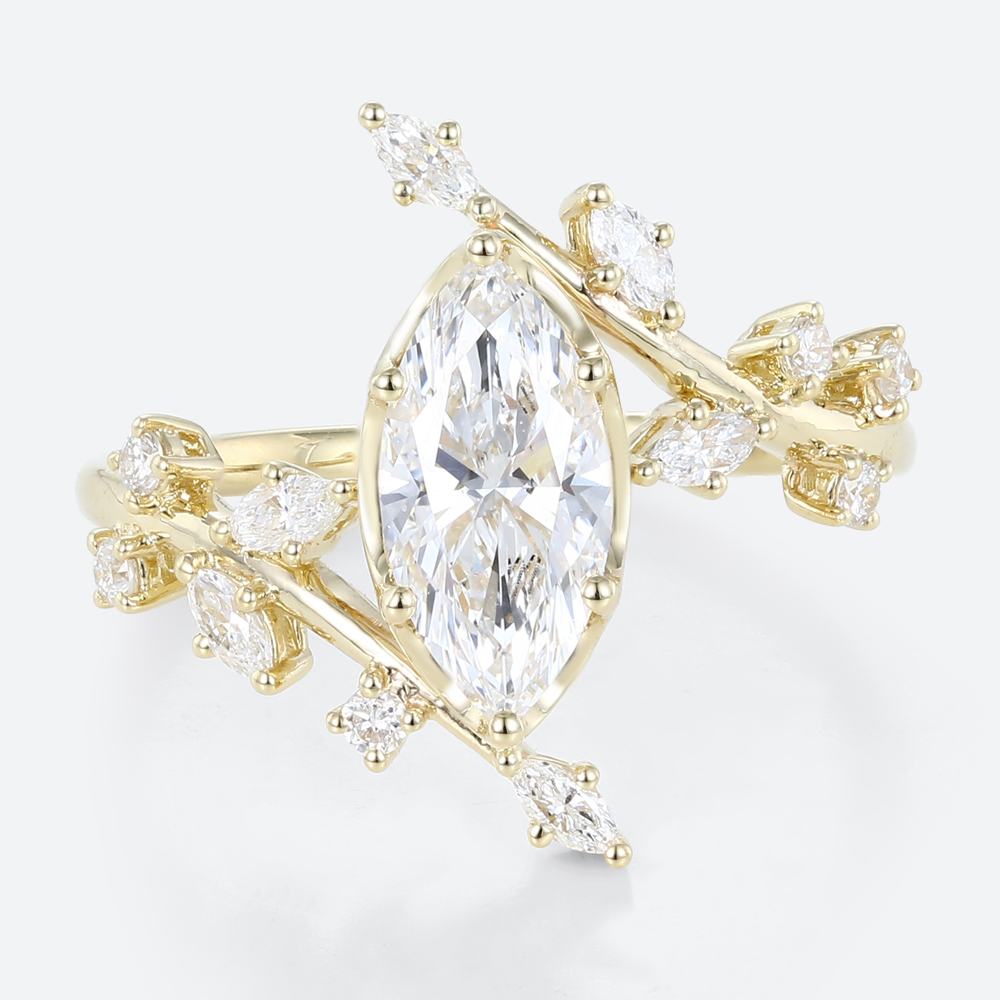
Because lab grown diamonds are produced in controlled environments rather than mined from the earth, buyers often have more flexibility to choose a larger center stone while still staying within a realistic budget.
III. Visual Difference Between One Carat and Two Carat Lab Diamonds
One of the biggest factors buyers notice when comparing one carat and two carat lab grown diamonds is the visual difference on the hand. While the increase in carat weight may sound small numerically, the visual impact can be significant. A 2 carat diamond does not just look twice as big as a 1 carat stone — because of the way diamond surface area grows, the stone can appear much larger when viewed on a finger.
For example, a typical round one carat diamond may measure around 6.4–6.5 mm across, while a two carat diamond often reaches about 8 mm. This difference in scale becomes especially noticeable when the diamond is used as the center stone in engagement rings.
However, size alone does not determine how impressive a diamond appears. The cut quality, depth, and overall setting can influence how much the diamond sparkle is visible. A well-cut lab diamond with excellent proportions can reflect more light and create stronger brilliance than a larger stone with weaker proportions.
The shape of the diamond also affects perceived size. Certain diamond shapes such as oval or elongated designs can make a carat diamond appear larger than its standard size. By contrast, a classic round cut tends to show a more balanced appearance but may look slightly smaller than elongated shapes of the same carat.
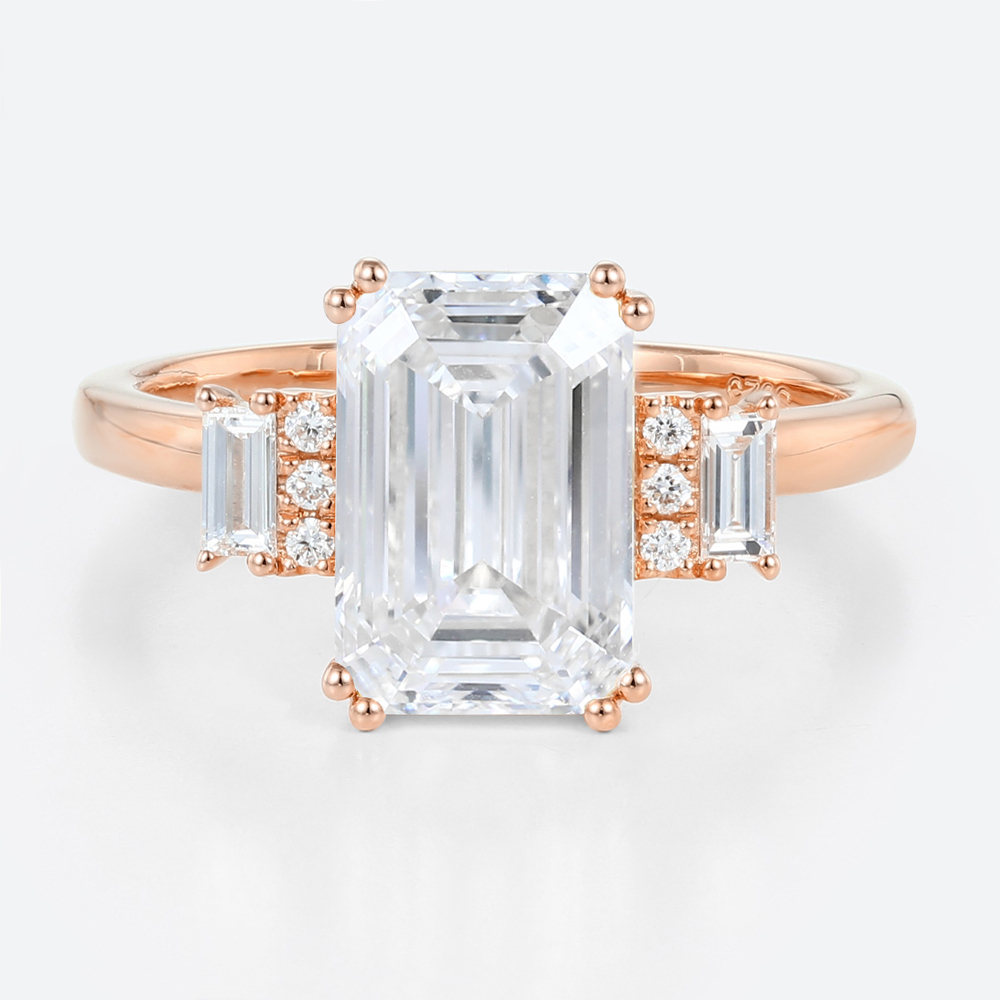
Because lab created diamonds offer larger stones at more affordable prices compared with natural diamonds, many buyers consider upgrading from a 1 carat diamond to a 2 carat lab grown option. Still, the right size ultimately depends on personal style, hand proportion, and how bold you want the ring to look.
IV. Price Comparison: Why Two Carat Lab Diamonds Cost More
Another major factor when comparing One Carat vs Two Carat Lab Diamonds is price. Although lab grown diamonds are generally more affordable than natural diamonds, the cost of a 2 carat diamond is still noticeably higher than a 1 carat stone.
This happens because larger diamonds are rarer to produce with high quality, strong clarity grades, and desirable diamond color. As carat weight increases, achieving the same balance of clarity, cut quality, and brilliance becomes more challenging during the growth and cutting process. Even though lab diamonds are created in controlled environments, producing larger stones with excellent proportions still requires additional time and advanced technology.
For buyers shopping for engagement rings, this means the budget difference between a one carat and two carat stone can be meaningful. In many cases, a well-cut 1 carat lab diamond represents a sweet spot between size, beauty, and overall cost.
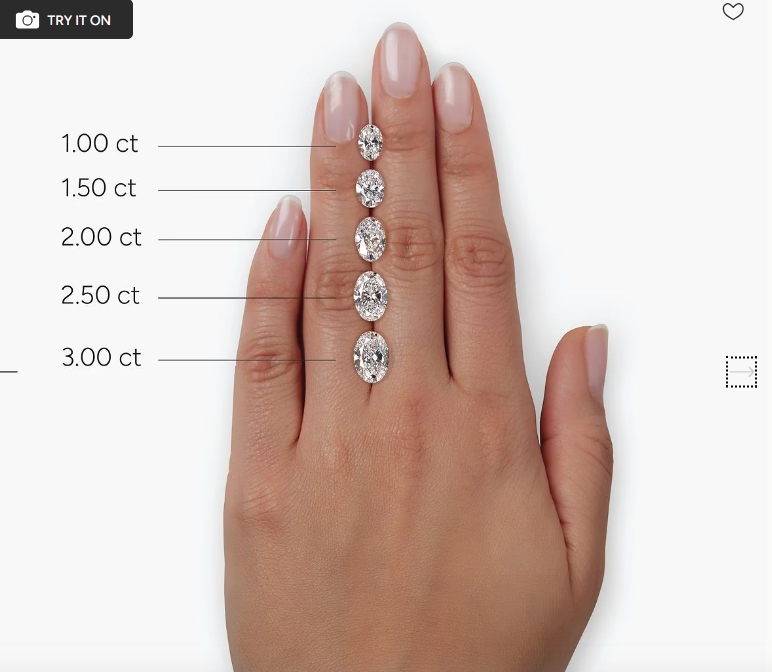
At the same time, buyers who want a bold statement ring may feel the higher price of a 2 carat lab grown diamond is worth the visual impact. Because lab diamonds eliminate much of the mining cost associated with natural diamonds, the price gap between these two sizes is far smaller than it would be with mined stones.
Ultimately, the best choice depends on balancing budget, preferred style, and how prominent you want the center stone to appear in your ring design.
V. Which Size Is the Sweet Spot for Engagement Rings
When comparing one carat vs two carat lab diamonds, many buyers eventually discover that the “best” size is not always the biggest stone available. Instead, the right carat size often sits at the intersection of appearance, budget, and everyday wearability.
For many modern engagement rings, a 1 carat lab diamond is often considered the practical sweet spot. It provides a noticeable presence on the finger without overwhelming the design of the ring. In addition, a one carat center stone allows the overall setting to remain balanced and elegant. This size works well across many diamond shapes, whether it is a classic round, an elongated oval, or another popular design.
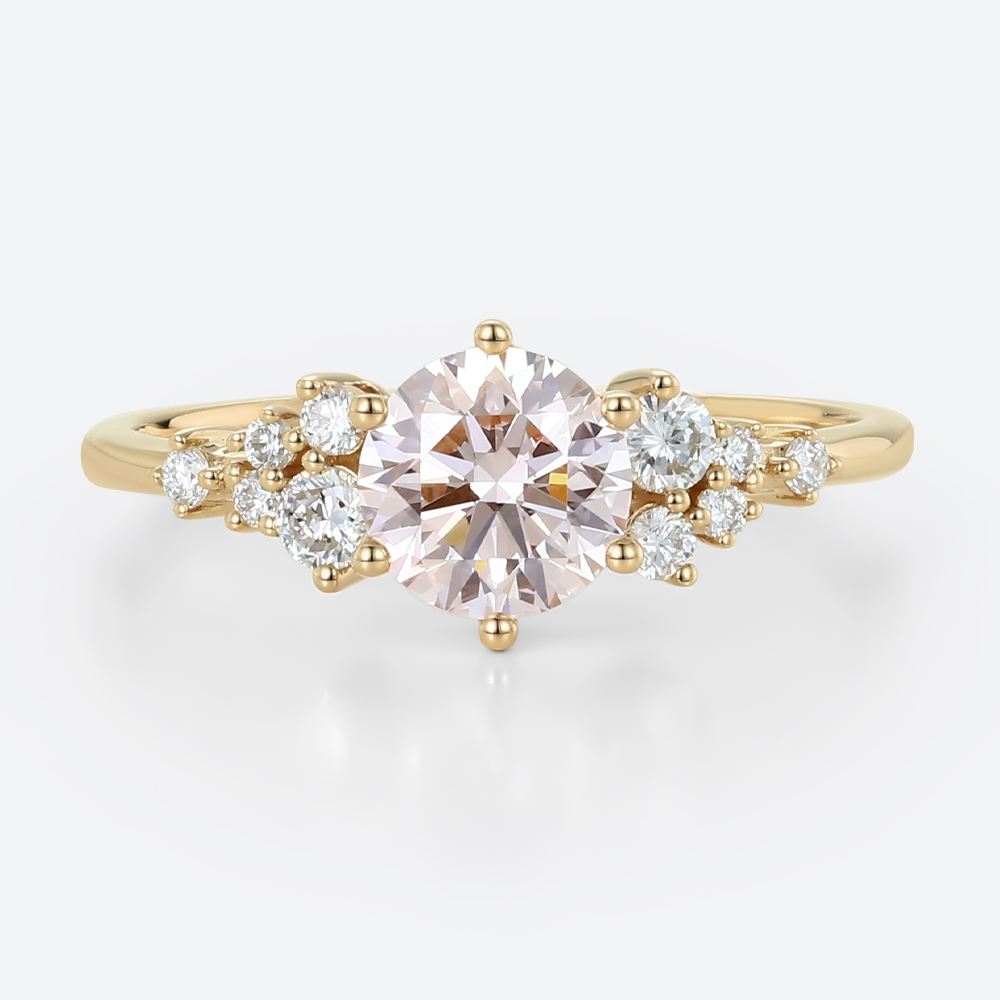
On the other hand, a 2 carat lab grown diamond creates a much stronger visual statement. Because the carat weight is significantly larger, the diamond becomes the clear focal point of the ring. Many buyers who want a bold, eye-catching piece of fine jewelry prefer a 2 carat diamond because it immediately stands out.
However, larger diamonds can also influence the overall style of the ring. A large center stone may require a stronger setting to support the stone, and some buyers prefer a slightly more subtle appearance for daily wear.
Thanks to the accessibility of lab created diamonds, couples today have far more flexibility when choosing between these sizes. In the past, a two carat natural diamond could cost tens of thousands, but lab diamonds have made larger stones significantly more attainable.
Ultimately, the sweet spot depends on personal preference, hand proportions, and how the diamond fits into the overall ring design.
VI. How to Choose Between One Carat and Two Carat Lab Diamonds
If you are deciding between One Carat vs Two Carat Lab Diamonds, it helps to consider a few practical factors before making your purchase.
First, think about your budget. A 2 carat lab grown diamond will naturally cost more than a 1 carat lab diamond, even though lab grown diamonds are generally more affordable than natural diamonds. Understanding your comfortable price range helps narrow the options quickly.
Second, consider your preferred style. Some people prefer the timeless elegance of a 1 carat diamond that complements many types of engagement rings. Others love the bold impact of a 2 carat diamond, especially if they want the center stone to dominate the design.
Third, pay attention to quality factors such as clarity grades, diamond color, and cut quality. A well-cut carat lab grown diamond can deliver incredible sparkle, even if it is slightly smaller in carat weight. Sometimes a beautifully cut 1 carat diamond can appear more lively than a poorly cut larger stone.
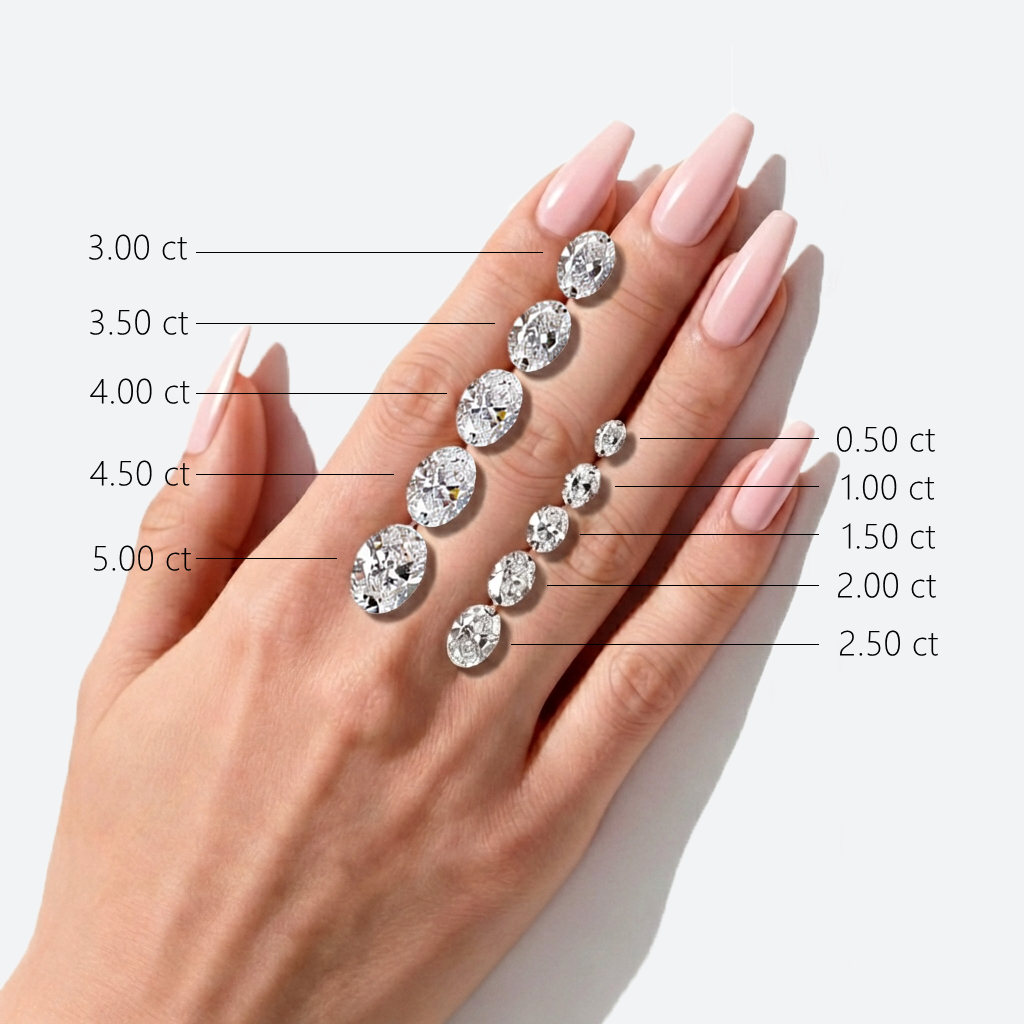
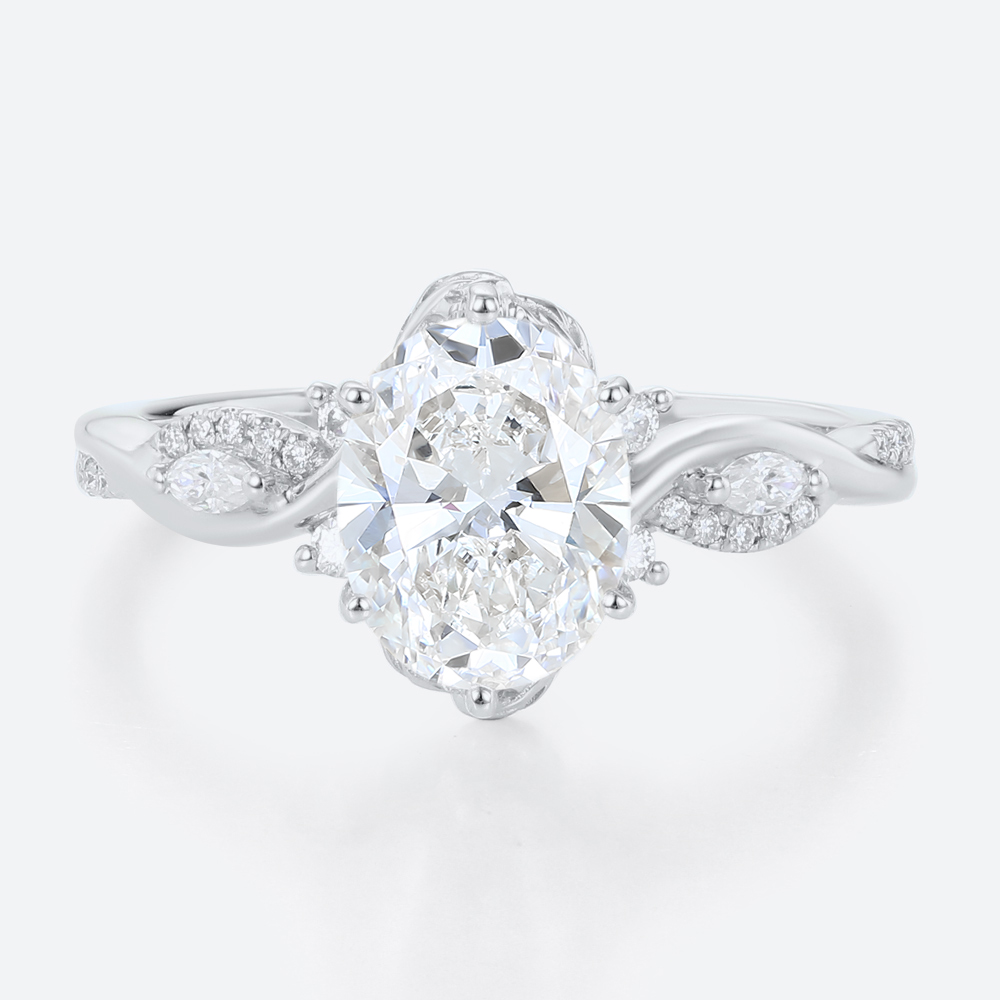
Finally, consider how the diamond looks on your finger. The perceived difference between sizes often becomes clear when viewing the stone in person or in a picture of the ring on a hand. What looks perfect online may appear different when worn daily.
Because lab diamonds are available in many diamond shapes and quality combinations, buyers today can choose the size and specifications that perfectly match their taste and lifestyle.
Conclusion
Choosing between one carat vs two carat lab diamonds ultimately comes down to balance. Both sizes offer exceptional beauty, durability, and brilliance because lab grown diamonds share the same structure and light performance as natural diamonds.
A 1 carat lab diamond is often ideal for buyers who want elegance, comfort, and a balanced engagement ring design. Meanwhile, a 2 carat lab grown diamond delivers a dramatic look and a larger center stone that immediately stands out.
The good news is that lab created diamonds make both options far more accessible than ever before. Whether you prefer the refined look of a one carat diamond or the bold impact of a two carat stone, the best choice is the one that fits your style, budget, and long-term expectations.
In the end, the right diamond is not defined only by carat size, but by how well it reflects the story and meaning behind the ring.