I. Laboratory Diamonds vs. Natural Diamonds: What’s the Difference?
When it comes to choosing between natural diamonds and lab-grown diamonds, it can be difficult to know where to start. With lab-grown diamonds becoming more popular in the jewelry industry, many people are curious about how they compare to earth-mined diamonds. Are they just as good? Do they have the same sparkle and durability? And how do they measure up in terms of cost, ethical sourcing, and environmental impact?
When it comes to choosing between natural diamonds and lab-grown diamonds, it can be difficult to know where to start. With lab-grown diamonds becoming more popular in the jewelry industry, many people are curious about how they compare to earth-mined diamonds. Are they just as good? Do they have the same sparkle and durability? And how do they measure up in terms of cost, ethical sourcing, and environmental impact?
In this guide, we’ll explore the differences between natural diamonds and lab-grown diamonds, covering their formation, cost, and the unique benefits each type offers. Whether you're considering an engagement ring, a fashion piece, or another fine jewelry item, it’s important to understand how these diamonds compare.

II. Understanding Diamond Formation: Natural Diamonds vs. Lab-Grown Diamonds
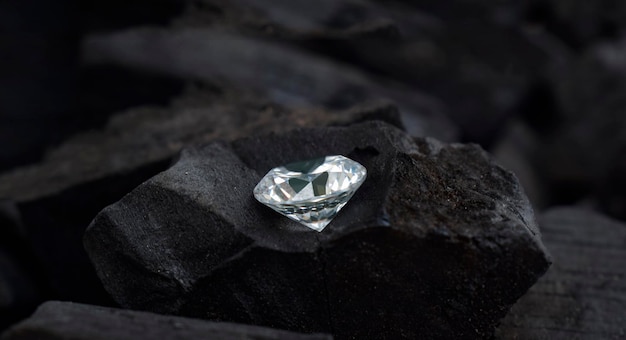
Natural diamonds are formed deep within the Earth under extreme pressure and temperature conditions. They take millions of years to form, which is why they are often seen as rare and precious. In contrast, lab-grown diamonds are created through a process that mimics the natural diamond formation but in a controlled laboratory environment. Chemical vapor deposition (CVD) or High Pressure High Temperature (HPHT) methods are used to create synthetic diamonds that are virtually identical to natural diamonds in terms of appearance, hardness, and chemical composition.
While natural diamonds are often associated with being more prestigious due to their geological origin, lab-grown diamonds have become a more ethical and affordable choice. The difference lies not in their physical properties but in their origin. Lab-created diamonds are sometimes called synthetic diamonds or man-made diamonds, though they are not fake — they have the same physical properties as natural diamonds.
III. Cost of Natural Diamonds vs. Lab-Grown Diamonds
One of the most significant differences between natural diamonds and lab-grown diamonds is the cost. Lab-created diamonds tend to be more affordable, often costing up to 30% less than their earth-mined counterparts. The reason behind this price difference lies in their creation process. While natural diamonds require millions of years to form deep within the Earth’s mantle, lab-grown diamonds are created in a matter of weeks using high-pressure, high-temperature (HPHT) or chemical vapor deposition (CVD) methods. These cost savings make lab-grown diamonds an attractive option for consumers seeking quality fine jewelry without the high price tag associated with real diamonds.
Why Are Lab-Grown Diamonds More Affordable?
The affordability of lab-grown diamonds stems from the fact that they are created in a controlled environment, which eliminates the need for mining and the associated environmental and labor costs. On the other hand, natural diamonds require extensive mining operations that are resource-intensive and time-consuming. The labor and energy involved in mining, combined with the rarity of earth-mined diamonds, contribute to their higher market price.
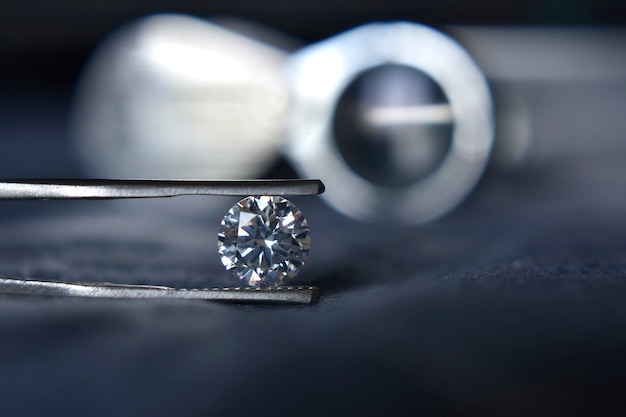
Moreover, lab-grown diamonds can offer the same brilliance, carat weight, and chemical composition as natural diamonds. Both types of diamonds share the same fundamental properties, as they are made from pure carbon. Whether you are purchasing a diamond for an engagement ring or a different piece of jewelry, you can be confident that you are getting the same level of durability and beauty.
IV. The Value of Natural Diamonds in the Market
Despite the advantages of lab-grown diamonds, natural diamonds have a higher resale value due to their rarity and status. Natural diamonds are a result of a geological process that takes millions of years to complete. Their rarity is a factor that influences their resale value and their desirability in the market. Additionally, some people prefer natural diamonds because they are seen as timeless, real gems that are deeply connected to the Earth. However, it’s important to note that lab-grown diamonds are gaining more recognition in the market, and their resale value is also starting to improve.
Resale Value of Natural Diamonds
Natural diamonds tend to hold their value better over time, mainly because of their scarcity. People often consider them as investments, knowing they have a higher likelihood of maintaining their value when resold. On the contrary, lab-created diamonds are still growing in recognition, and their resale value may be lower in the short term. However, with the increasing popularity and ethical appeal of lab-grown diamonds, their resale value could improve over time.
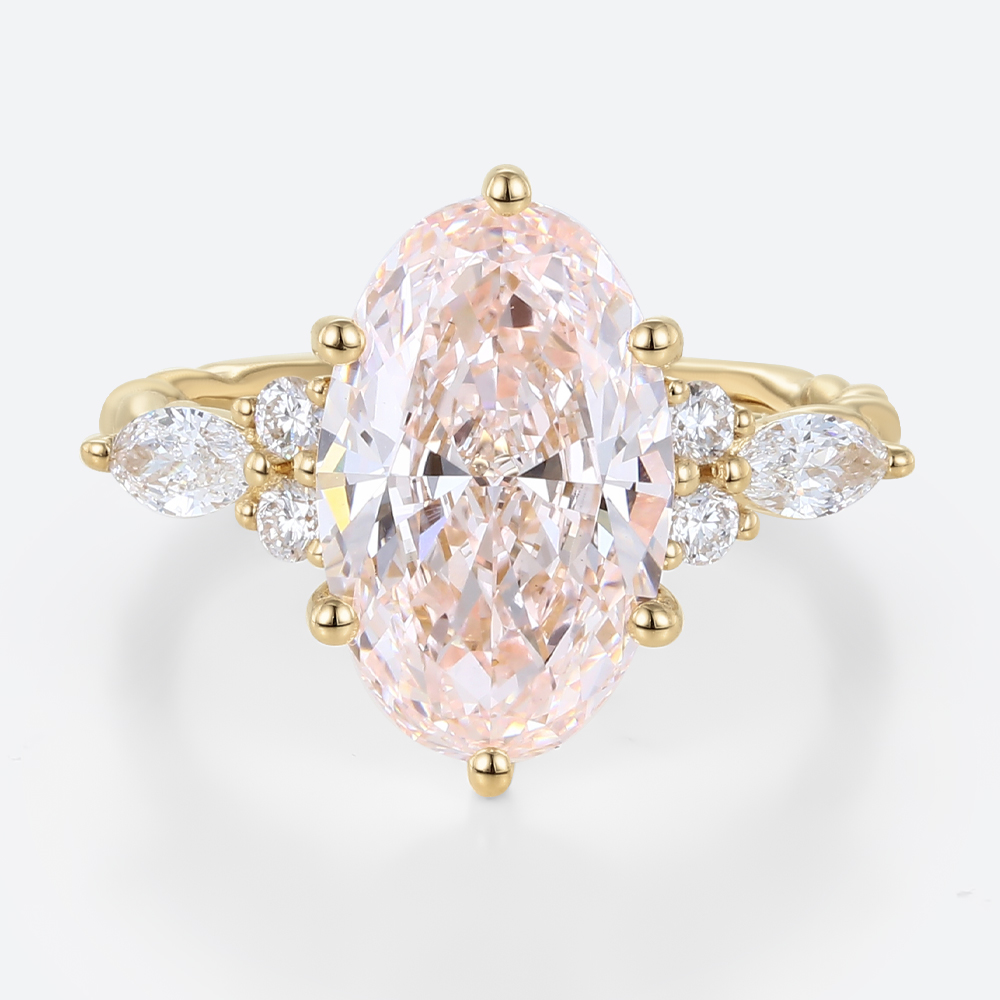
In terms of durability, both natural diamonds and lab-grown diamonds are equally durable and rank a 10 on the Mohs scale, making them the hardest substances known to man. Whether you choose a lab-created diamond or a real diamond, you’re investing in a gem that will last a lifetime. Furthermore, both types of diamonds share the same chemical properties and grading report systems, ensuring that their quality can be easily assessed.
V. Comparing the Durability of Natural Diamonds and Lab-Grown Diamonds
When it comes to durability, lab-grown diamonds and natural diamonds are equally durable. Both types of diamonds possess the same chemical composition and structure, making them almost indistinguishable in terms of hardness and longevity. On the Mohs scale, both lab-created and natural diamonds receive a perfect score of 10. meaning they are incredibly resistant to scratching and wear.
Whether you're purchasing a diamond engagement ring or a luxury piece of fine jewelry, both lab-grown and natural diamonds will stand the test of time. The diamonds vs debate often focuses on aspects like cost and origin, but when it comes to physical properties, both diamonds are almost identical.
Moreover, despite the diamonds vs natural debate, lab-grown diamonds are quickly gaining popularity due to their ethical production process. As consumers become more conscious of the environmental impact of their purchases, lab-created diamonds provide a solution that doesn’t involve the environmental destruction associated with traditional earth-mined diamonds. Chemical vapor deposition (CVD) and HPHT diamonds are produced in controlled laboratory conditions, ensuring minimal ecological harm.
VI. Why Choose a Lab-Grown Diamond?
Choosing a lab-grown diamond doesn’t mean sacrificing quality. Lab-created diamonds have the same brilliance, carat weight, and chemical properties as natural diamonds. They are made from the same pure carbon and undergo the same process of crystallization, meaning they look and feel just like real diamonds.
If you're looking for an engagement ring or any other piece of fine jewelry, lab-grown diamonds offer a more affordable alternative without compromising on quality. You can achieve the same brilliance and beauty at a fraction of the price of earth-mined diamonds. Additionally, lab-created diamonds are typically conflict-free, offering peace of mind to consumers who are concerned about the ethical implications of diamond mining.
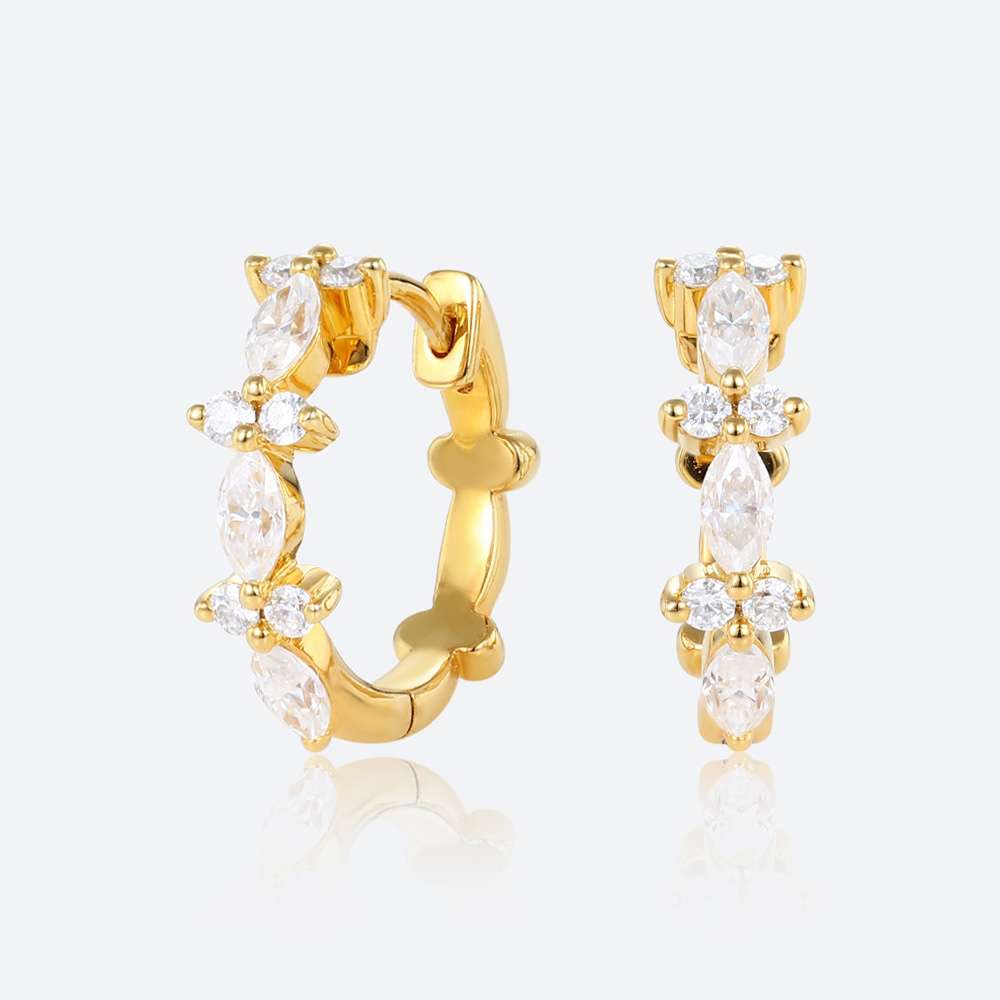
VII. Natural Diamonds vs Lab-Grown Diamonds
In conclusion, the choice between natural diamonds and lab-grown diamonds largely depends on your personal preferences, ethical considerations, and budget. Both options are virtually identical in terms of chemical composition, hardness, and overall appearance. The main differences lie in their origins and price points.
Natural diamonds are rare, forming deep within the Earth’s mantle over millions of years, while lab-grown diamonds are produced in weeks using advanced technology. Although natural diamonds tend to hold their value better and carry a sense of tradition, lab-grown diamonds are increasingly popular for their affordability and ethical production.
When shopping for fine jewelry, consider what matters most to you. Whether you choose a natural diamond or a lab-grown diamond, both are beautiful, durable, and will last for generations to come.
Natural Diamonds vs Lab Grown Diamonds Comparison Table
| Comparison Factor | Natural Diamonds | Lab Grown Diamonds |
|---|---|---|
| Formation Process | Formed deep within the Earth’s mantle over billions of years under intense heat and pressure | Created in a controlled laboratory environment using two primary methods: HPHT and CVD |
| Origin | Naturally grown diamonds extracted through diamond mining | Cultured diamonds grown above the Earth’s surface |
| Chemical Composition | Made of pure carbon with the same chemical composition | Identical chemical composition and crystal structure |
| Physical Properties | Same hardness, durability, and strength | Same physical properties and equally durable |
| Optical Properties | Same brilliance, fire, and sparkle | Same fire and brilliance as natural diamonds |
| Mohs Scale Hardness | 10 on the Mohs scale | 10 on the Mohs scale |
| Appearance to Naked Eye | Indistinguishable to the naked eye | Indistinguishable to the naked eye |
| Clarity Grades | Available across all clarity grades | Available across all clarity grades |
| Grading Report | Certified by recognized gemological institutes | Certified by the same gemological institutes |
| Rarity & Supply | Finite supply due to limited natural formation | Higher relative abundance due to controlled production |
| Environmental Impact | Mining impacts the Earth’s surface and crust | Lower environmental impact compared to diamond mining |
| Ethical Considerations | May involve concerns related to mining practices | Conflict-free and ethically produced |
| Cost | Generally higher due to rarity and mining costs | More affordable with significant cost savings |
| Resale Value | Typically holds higher resale value | Lower resale value at present |
| Ideal For | Buyers valuing rarity, tradition, and long-term value | Buyers seeking value, sustainability, and modern choices |