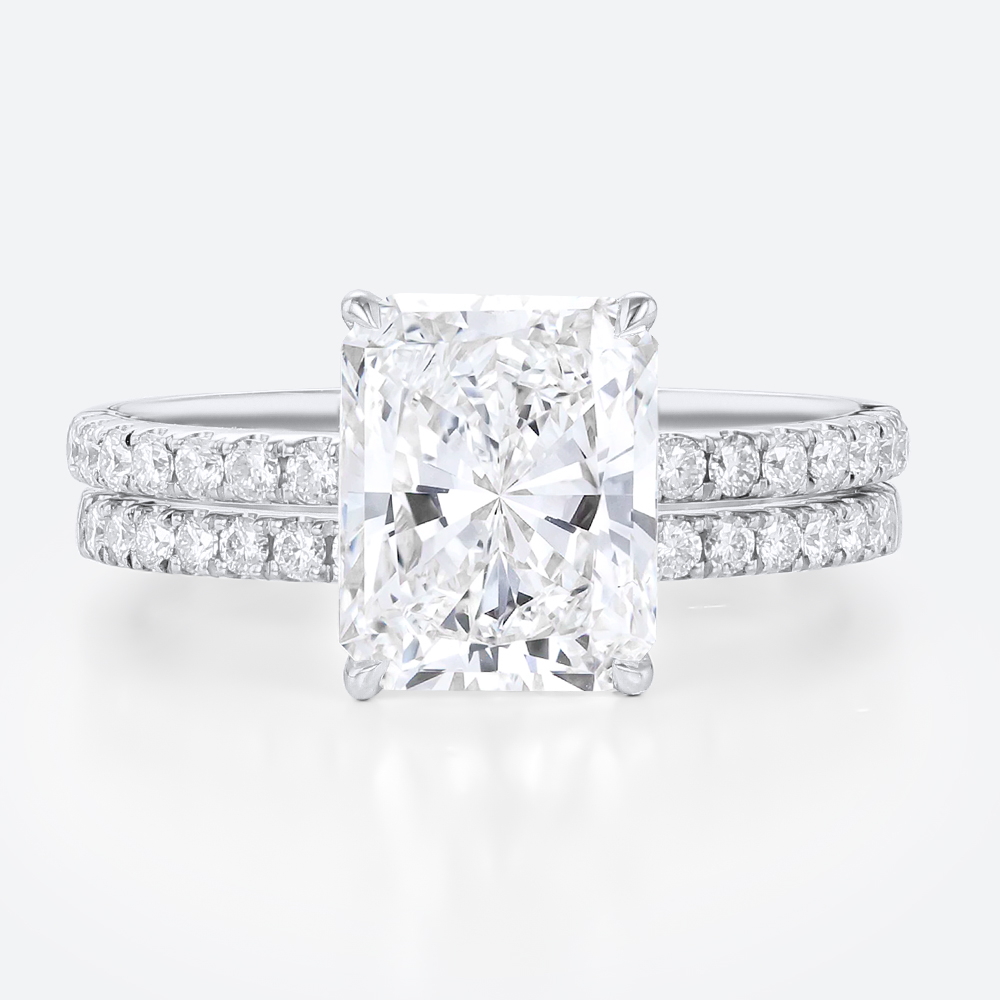
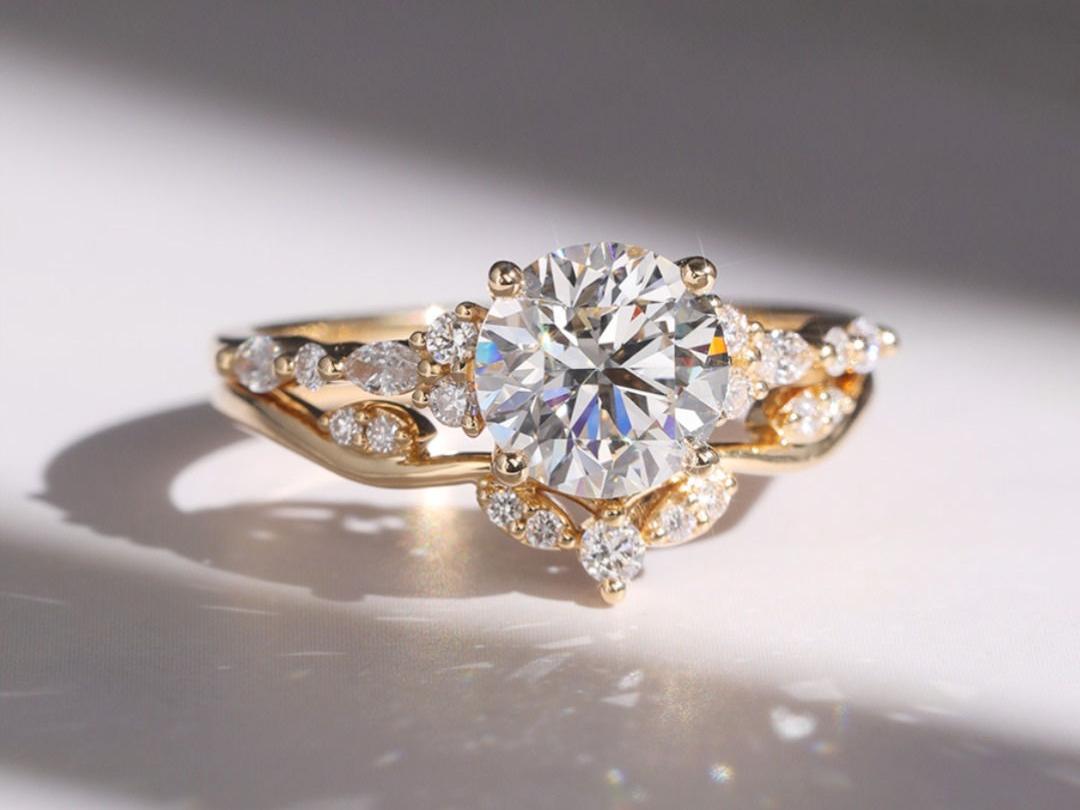
When you begin your search for the perfect engagement rings, you will inevitably encounter a question that has redefined the jewelry industry: Are lab-grown diamonds real? At LisaJewelryUS, we believe that education is the foundation of a confident purchase. The short answer is a definitive yes. Lab-grown diamonds are not "fakes" or "simulants" like cubic zirconia; they are real diamonds in every sense of the word.
In recent years, lab-grown diamonds have surged in popularity because they offer a stunning, high-quality alternative to natural diamonds. Whether you are looking for lab created diamonds for an anniversary or comparing lab grown vs mined diamonds for your wedding, understanding the origin of these stones is essential. Lab grown diamonds possess the same chemical properties, physical structure, and optical properties as those found in nature. When you choose lab grown diamonds, you are choosing a stone that is chemically identical to a diamond pulled from the earth.
Because grown diamonds are created using advanced technology, they allow for a more accessible price point without sacrificing the brilliance of real diamonds. As we explore the world of lab diamond jewelry, you will see why more couples are turning to lab grown diamonds for their engagement rings and why lab grown is truly the future of sustainable luxury.

I. Understanding Lab Created Diamonds: How Lab Grown Diamonds are Made
To understand why lab grown diamonds are considered real diamonds, we must look at how we create lab grown diamonds in a controlled laboratory environment. While earth mined diamonds take billions of years to form deep within the earth's mantle, modern science allows us to create diamonds in a matter of weeks by replicating that same natural process.
The journey of lab grown diamonds begins with a "diamond seed"—a tiny sliver of pure carbon. From here, there are two primary methods used to develop these stones:
Chemical Vapor Deposition (CVD): In the chemical vapor deposition process, a diamond seed is placed in a vacuum chamber filled with carbon-rich gas. Through ionization, the carbon atoms attach to the seed, layer by layer, to create lab grown diamonds.
HPHT Diamond (High Pressure High Temp): The hpht diamond method mimics the intense heat and crushing pressure found deep underground. By applying these forces to carbon, we facilitate the growth of lab grown diamonds that are indistinguishable from mined diamonds.
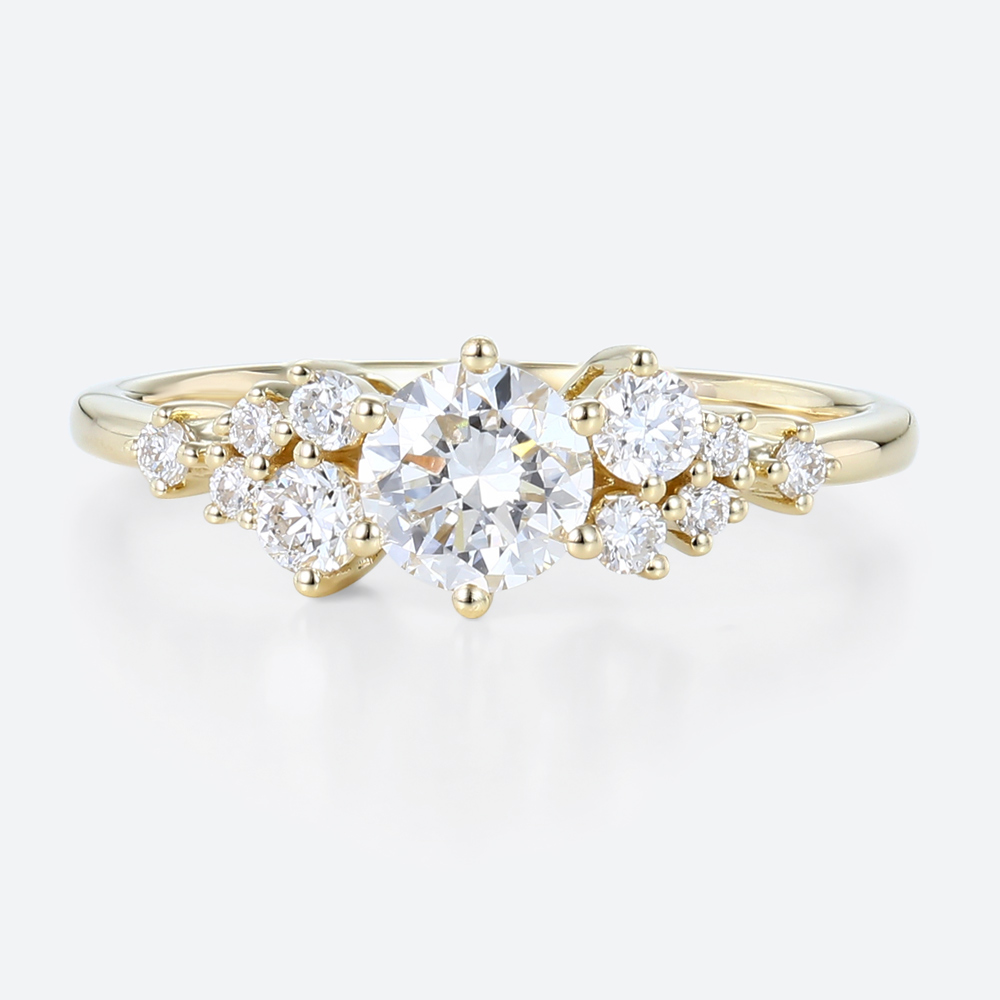
Whether a stone is an hpht diamond or a result of chemical vapor deposition, the resulting lab diamond is a masterpiece of science. These primary methods ensure that lab created diamonds achieve the same clarity grades and carat weight expectations as natural diamonds. By using tiny amounts of energy to jumpstart a natural reaction, we can produce grown diamonds that sparkle with the same fire as any earth mined diamonds found in history.
Because lab grown diamonds are grown in a lab rather than mined, they are often referred to as ethical alternatives to traditional conflict diamonds. When you buy lab grown diamonds from LisaJewelryUS, you are not just buying a lab diamond; you are investing in a piece of jewelry that aligns with modern values while maintaining the prestige of real diamonds.
II. Lab Grown Diamonds vs. Natural Diamonds: What is the Real Difference?
When comparing lab grown diamonds to natural diamonds, the most important thing to remember is that the only difference is their origin. While natural diamonds form over billions of years, lab grown diamonds are created using precision technology. However, if you place lab grown diamonds next to mined diamonds, even a professional jeweler cannot tell them apart without specialized equipment.
To help you understand why lab grown diamonds are the preferred choice for modern engagement rings, let’s look at this comparison:
Quick Comparison: Lab Grown Diamonds vs. Mined Diamonds
| Feature | Lab Grown Diamonds | Natural Diamonds |
| Chemical Composition | Pure carbon | Pure carbon |
| Optical Properties | Identical to real diamonds | Identical to lab grown diamonds |
| Clarity Grades | VVS1 to SI2 (Same as mined diamonds) | VVS1 to SI2 |
| Carat Weight | Flexible carat weight options | Limited by nature |
| Environment | Controlled laboratory environment | Earth's mantle |
| Sustainability | Ethical alternatives | Often linked to conflict diamonds |
As shown, lab grown diamonds offer the same brilliance as earth mined diamonds. Whether you choose lab grown diamonds or natural diamonds, you are getting a stone with the same chemical properties. The rise of grown diamonds has made it possible for everyone to own real diamonds without the environmental impact of traditional mining.
III. Why Lab-Created Diamonds Are the Ethical Alternatives for Modern Couples
Many of our customers at LisaJewelryUS are looking for ethical alternatives to traditional jewelry. This is where lab grown diamonds truly shine. Traditional mined diamonds often come with concerns regarding conflict diamonds and environmental degradation. In contrast, lab grown diamonds are 100% traceable.
Because we create lab grown diamonds in a lab, we bypass the destructive mining processes used for earth mined diamonds. Choosing lab grown diamonds for your engagement rings means:
Supporting lab grown technology that protects the planet.
Ensuring your grown diamonds are free from the history of conflict diamonds.
Investing in lab grown diamonds that provide more value for your carat weight budget.
When you buy lab-grown diamonds, you aren't just getting a lab diamond; you are supporting a future where real diamonds don't cost the earth.
IV. Do Lab-Grown Diamonds Real Experts Use Certification?
Yes! Just like natural diamonds, high-quality lab grown diamonds are graded by a gemological institute such as the IGI or GIA. When you shop for lab grown diamonds, you will see a full report on the clarity grades, carat weight, and cut of the lab diamond.
These certificates prove that lab grown diamonds are real diamonds. Whether it is a lab created diamonds center stone or small grown diamonds in a pavé setting, the quality of lab grown diamonds is rigorously tested. At LisaJewelryUS, we ensure all our lab grown diamonds meet the highest standards, so your engagement rings will sparkle for a lifetime.
V. The Value Factor: Lab Grown Diamonds and Resale Value
A common question is: "Do lab grown diamonds have resale value?" It is important to be honest: while lab grown diamonds are real diamonds, their resale value is generally lower than that of rare natural diamonds.
However, the initial saving on lab grown diamonds is so significant (often 40-70% less than mined diamonds) that most couples find lab grown diamonds to be the smarter financial choice. You can get a much larger carat weight in lab grown diamonds for the same price as a smaller stone among earth mined diamonds. For most, the beauty and "realness" of lab grown diamonds far outweigh the future resale value concerns.
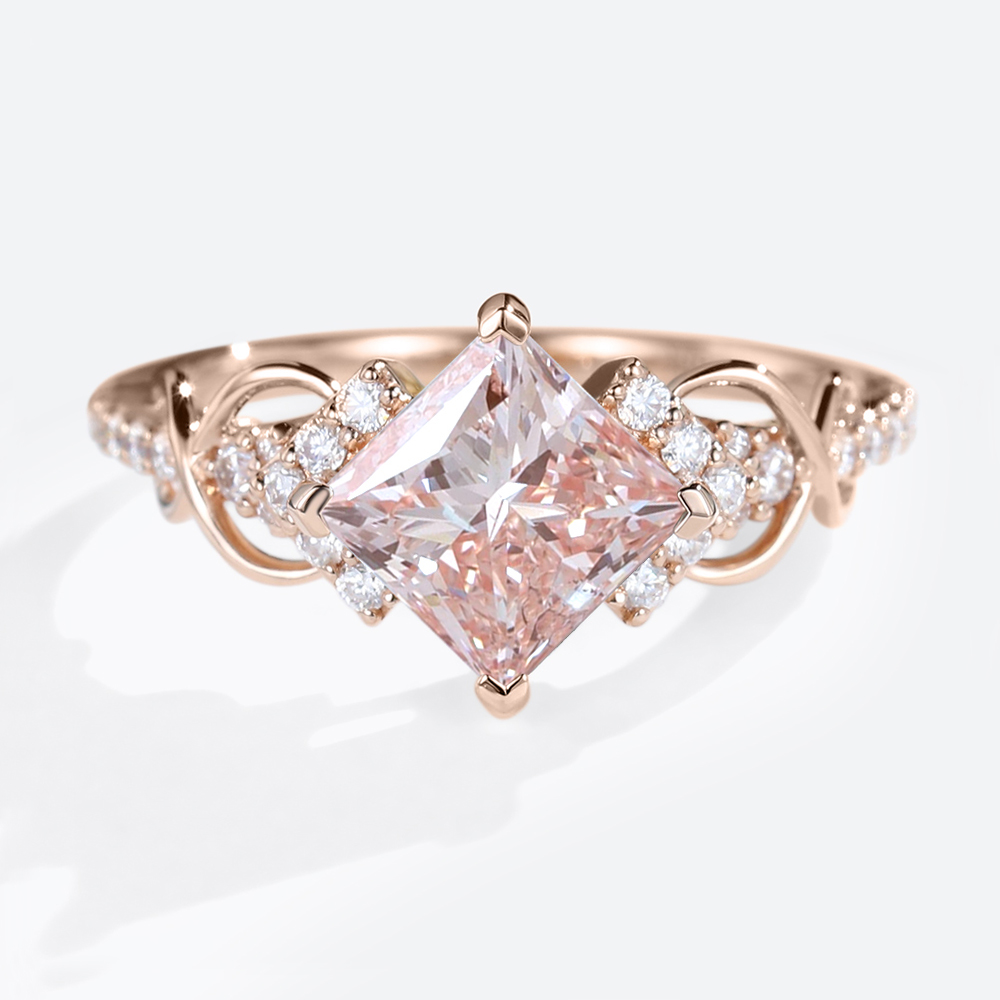
Conclusion: Is a Lab Diamond Right for You?
Choosing between lab grown diamonds and natural diamonds is a personal journey. At LisaJewelryUS, we believe that lab grown diamonds offer an incredible opportunity to own real diamonds that are ethical, beautiful, and affordable.
From the way we create diamonds using chemical vapor deposition to the stunning variety of lab grown diamonds available for engagement rings, the lab grown revolution is here to stay. Whether you call them lab grown diamonds, lab created diamonds, or simply grown diamonds, they are, without a doubt, real diamonds.