I. Is Lab Diamond Worth Investing In A Clear Answer First
If you’re asking is lab diamond worth investing in, you’re not alone. It’s one of the most common questions buyers have today—especially as lab grown diamonds become more visible in the modern diamond market.
Let’s start with a clear answer.
From a traditional investment perspective, lab diamonds are not considered a better investment. Like most consumer goods, they are not designed to increase in value over time. In fact, when it comes to resale value, lab diamonds often perform differently compared to natural diamonds or mined diamonds, which have long been associated with rarity and long term value.
But that doesn’t mean they are a bad choice.
The key is understanding the difference between an investment and a purchase. A lab diamond may not be a strong financial asset, but it can still be an excellent buying decision—especially if your goal is beauty, size, and overall value rather than resale.
Many buyers today are less concerned with long term appreciation and more focused on what they receive today. In that sense, lab grown diamonds offer something very compelling: the ability to choose larger or higher quality stones at a more accessible price.
So while lab diamonds may not be a traditional investment, they can absolutely be a smart purchase—depending on what you value most.
II. Lab Diamonds vs Natural Diamonds Which Is a Better Investment
To understand the investment question more clearly, it helps to compare lab diamonds vs natural diamonds directly.
The biggest difference lies in supply.
Natural diamonds—also known as diamonds mined from the earth—are formed over billions of years. Their limited availability has historically supported their position in the diamond industry as valuable natural stones.
In contrast, lab grown diamonds are created using advanced technology such as chemical vapor deposition or high pressure methods. Because they can be produced on demand, their supply is far more flexible.
This difference directly affects market value.
When supply can increase, prices tend to stabilize or decrease over time. That’s one reason why lab diamonds typically do not hold the same resale expectations as real diamonds from traditional sources.
However, from a consumer perspective, this same factor creates an advantage.
Because lab diamonds are more accessible, buyers can often choose a larger carat weight, better clarity, or more impressive overall appearance without significantly increasing their budget. In other words, while they may not be the stronger investment, they can offer better quality diamonds for the price you pay today.
This is why the conversation is shifting. Instead of asking which option is a better investment, many buyers are now asking which option delivers the best experience—and for many, that answer increasingly points to lab grown diamonds.
III. Why Lab Grown Diamonds Offer Value But Not Investment Returns
One of the most important things to understand is this: value and investment are not the same.
While lab grown diamonds may not perform like traditional assets, they still offer strong value for buyers—especially when compared to their mined counterparts.
Because lab diamonds are lab created through a controlled creation process, their supply is more flexible. This is why you’ll often notice a clear price difference when comparing them to natural diamonds. In many cases, lab diamonds can cost less than half of similar mined stones with the same specifications.
And yet, visually, the difference is almost impossible to detect.
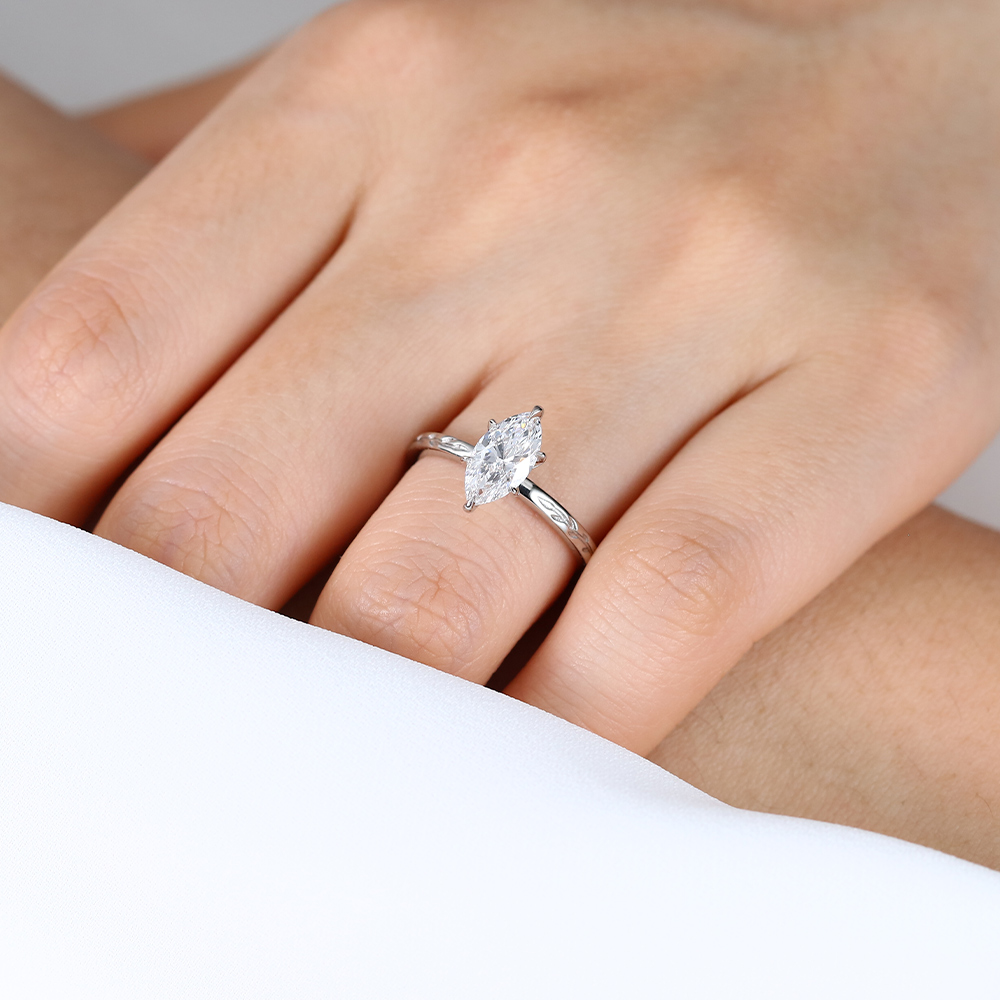
Lab diamonds are chemically identical to natural diamonds and share the same chemical properties and structure. In fact, they are considered optically identical, meaning they reflect light and produce brilliance in the same way as a mined diamond.
For buyers, this creates a very practical advantage.
Instead of paying a premium for rarity, you can choose a higher quality stone or a larger size within the same budget. A well cut diamond with excellent proportions will still deliver the same sparkle, regardless of whether it is lab grown or mined.
That’s why many people today see lab diamonds as a cost effective way to maximize beauty and size—without overpaying for scarcity.

IV. Resale Value of Lab Diamonds What You Should Expect
When it comes to resale value, expectations need to be realistic.
Unlike natural diamonds, which have historically been positioned within a limited supply global market, lab diamonds do not typically retain value in the same way. Because they can be produced using advanced methods like pressure high temperature or other controlled techniques, supply can continue to grow over time.
This impacts how they are viewed in the secondary market.
Most jewelry stores do not buy back diamonds at full price, regardless of origin. However, lab diamonds tend to have a lower resale expectation compared to natural stones, simply because they are more accessible.
That said, resale value is not always the most important factor.
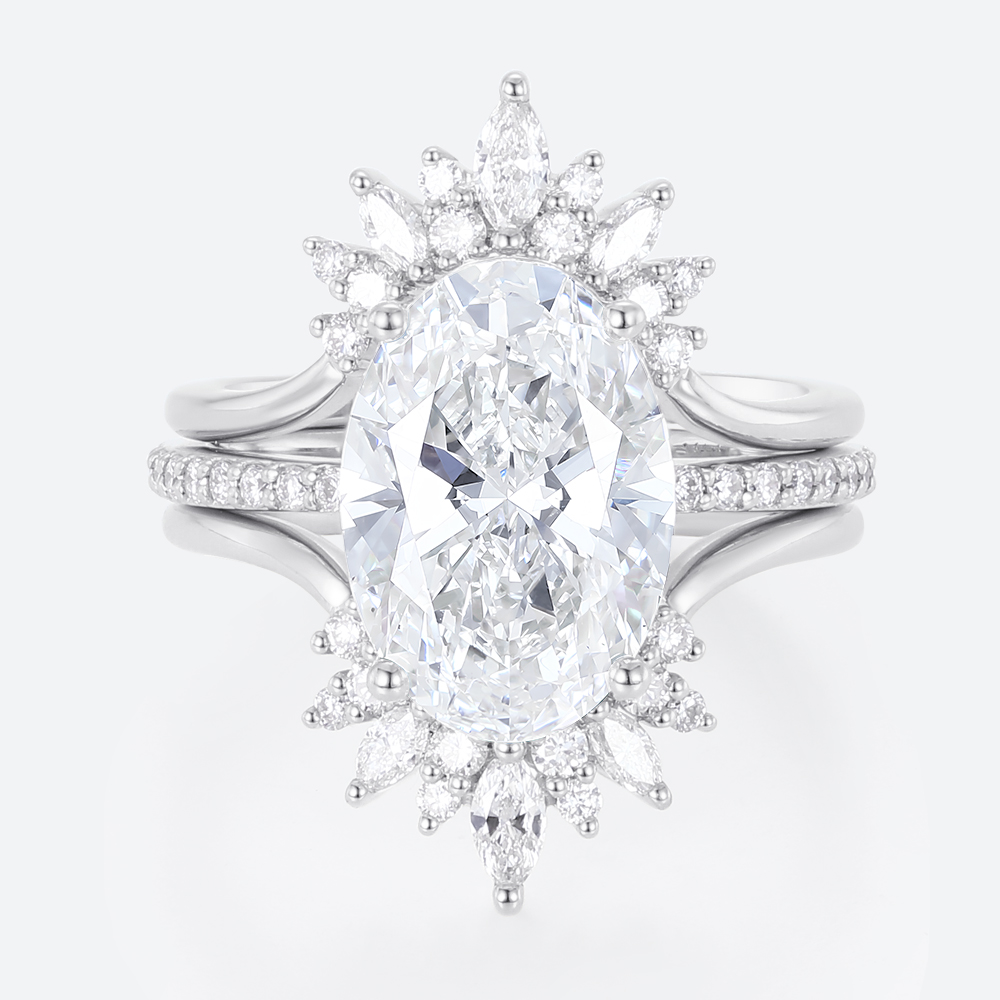
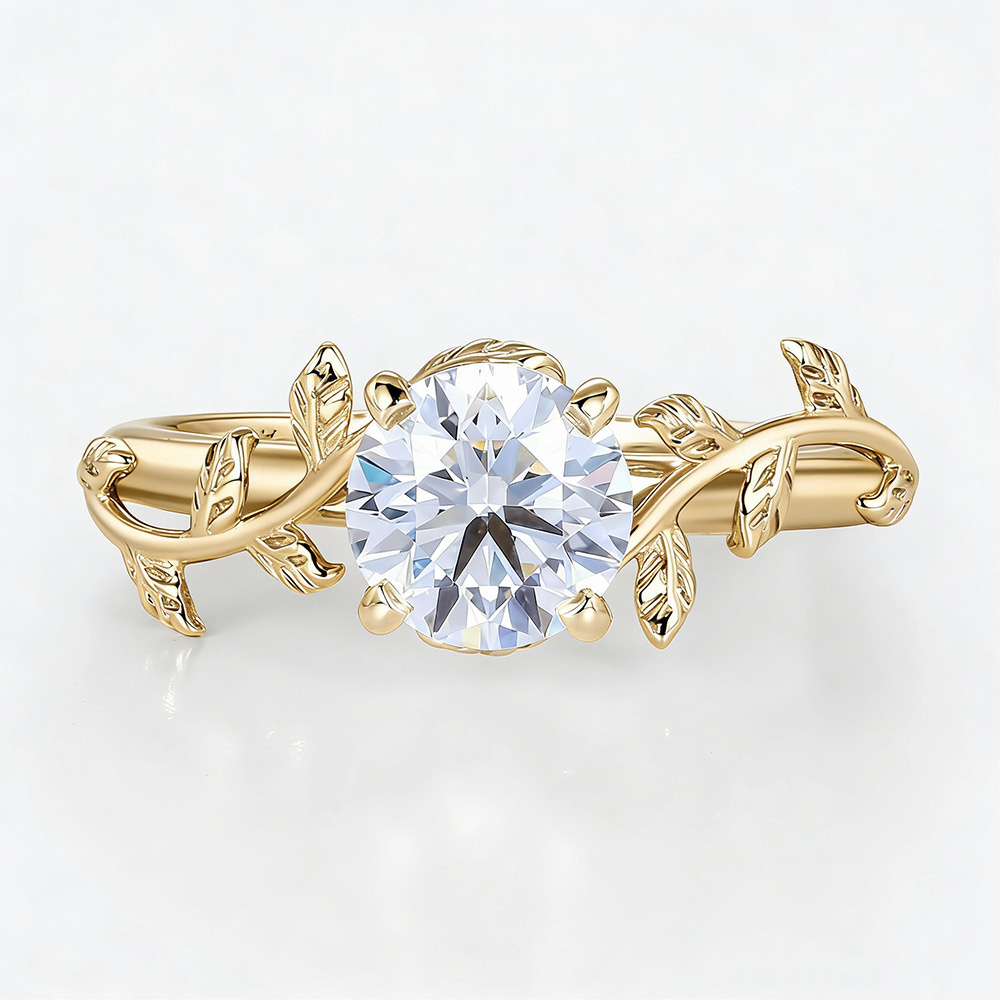
For many buyers, especially those purchasing diamond engagement rings, the focus is on the present—how the diamond looks, how it feels, and what it represents. In these cases, the fact that lab diamonds allow for a larger or better looking stone at the same price becomes far more meaningful.
As market demand continues to grow, lab diamonds are becoming a normal part of the jewelry landscape. They are widely accepted, increasingly available, and chosen by buyers who prioritize design, size, and overall experience over long term resale.
V. Are Lab Diamonds a Good Choice for Diamond Jewelry and Engagement Rings
If lab diamonds are not a traditional investment, the next question becomes more practical: are they still a good choice?
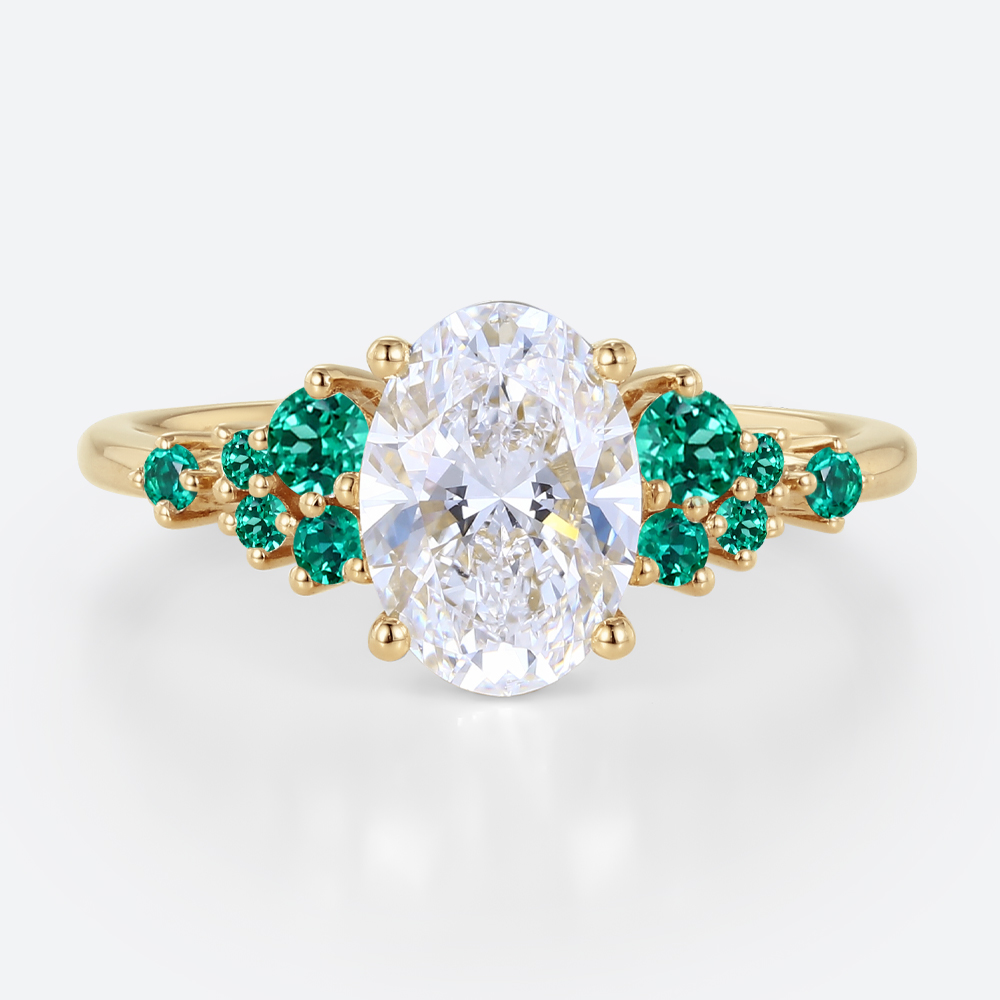
For many buyers today, the answer is yes—especially when it comes to diamond jewelry and engagement rings.
Over the last few decades, advanced technology has made it possible to produce lab diamonds that are optically identical to natural stones. They share the same structure, the same optical properties, and the same durability on the Mohs scale. To the naked eye, even experienced buyers cannot tell the difference without specialized tools or grading reports from a recognized gemological institute.
Because of this, lab diamonds have seen a clear rise in growing popularity, especially among younger buyers. Changing consumer preferences are shifting away from tradition and toward value, transparency, and flexibility.
Another important factor is size and appearance. At the same price point, buyers can often choose larger stones or a better cut when selecting lab diamonds. This makes them particularly attractive for engagement rings, where visual impact matters.
There are also broader considerations. Many buyers today are more aware of ethical concerns surrounding mining and are looking for a more ethical choice. Lab diamonds offer an alternative that avoids many of the challenges associated with sourcing stones from the earth’s mantle and earth’s crust.
From a practical standpoint, lab diamonds are widely available through both physical jewelry stores and online retailers, making them easier to compare and purchase than ever before.
VI. Final Thoughts Is Lab Diamond Worth Investing In
So, is lab diamond worth investing in?
If the goal is financial return, then no—lab diamonds are generally not considered a strong investment opportunity. Compared to natural diamonds, they typically do not offer better resale value, and in some cases may be viewed as a bad investment from a purely financial perspective.
But that is only part of the picture.
In today’s market, the definition of value is changing. Lab diamonds are chemically identical to natural ones, offering the same brilliance, durability, and beauty at a more accessible price. For many buyers, that represents a different kind of value—one based on experience rather than resale.
The real comparison is not simply diamonds vs lab diamonds, but how each option fits your priorities.
If you are looking for rarity and long term holding potential, natural diamonds may still align better with that goal. But if you want a diamond that delivers maximum visual impact, strong quality, and flexibility within your budget, lab diamonds offer a compelling alternative.
In the end, a diamond is rarely just an asset. It carries emotional value, especially in moments like engagements and celebrations.
And for many people today, that meaning matters far more than whether it qualifies as an investment.Are Lab Diamonds a Product Worth Investing In?