
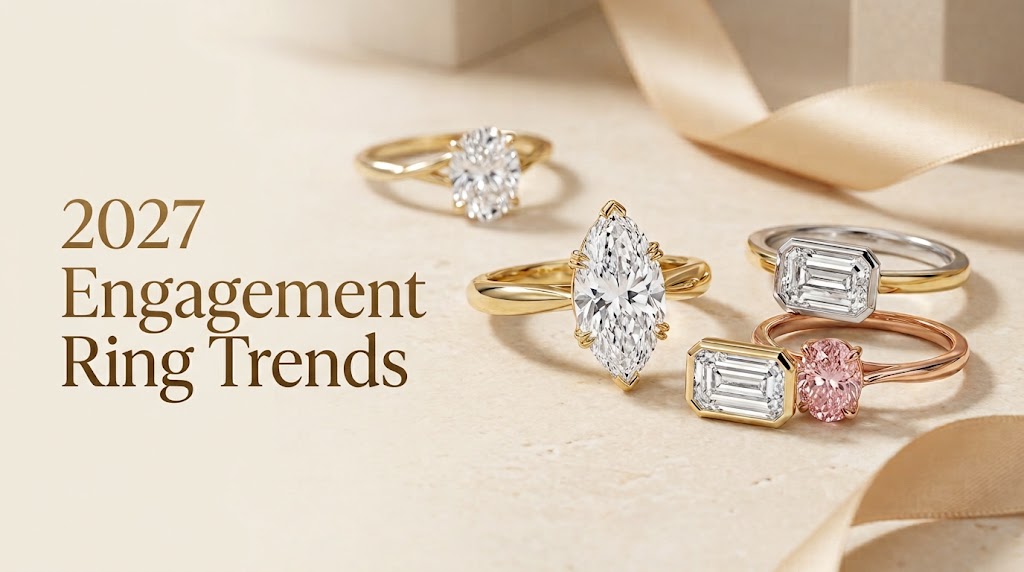
The most important of the 2027 engagement ring trends may not be one diamond shape or setting. Instead, it may be the growing desire for a ring that feels recognizable, personal, and intentionally chosen.
Classic solitaires are not disappearing, and neither are round or oval diamonds. What appears to be changing is how couples make those familiar elements their own. A diamond may be turned east-west, placed in a sculptural yellow-gold setting, paired with unexpected side stones, or accented with a private detail visible only to the wearer.
Because 2027 is still ahead, these trends should be viewed as a forecast rather than a set of rules. Based on the styles gaining momentum in 2026, the next year is likely to favor elongated shapes, warm metals, expressive color, and settings that balance personality with everyday wear.
What Engagement Ring Styles Will Trend in 2027?
The engagement ring styles to watch in 2027 include:
- Marquise and elongated cushion-cut diamonds
- Oval diamonds with more distinctive settings
- East-west orientations
- Yellow gold and selective mixed-metal details
- Bezel and semi-bezel settings
- Thicker or more sculptural bands
- Nature-inspired and vintage-influenced designs
- Pink, yellow, blue, and green lab-grown diamonds
- Hidden accents and personalized galleries
- Engagement rings designed with a future wedding band in mind
The larger story behind these trends is not that one design will replace every other option. It is that couples are becoming more comfortable combining classic symbols with details that reflect their individual style.
The Biggest 2027 Trend: Personalization Over Uniformity
For several years, one highly recognizable engagement ring look has dominated social feeds: an elongated center diamond, a delicate band, and a minimal setting. That style is likely to remain popular, but it no longer needs to follow one fixed formula.
The Knot’s 2026 Real Weddings Study found that 88% of surveyed purchasers made custom edits to their engagement rings or chose a custom design. This suggests that customization is no longer limited to shoppers commissioning an entirely original piece. It can also mean changing one meaningful element of an existing design.
Personalization might include:
- Selecting a less common diamond shape
- Changing the orientation of the center stone
- Choosing a pink or yellow lab-grown diamond
- Combining two gold colors
- Adding a hidden halo or secret accent stone
- Revising the prongs or gallery
- Designing a coordinating wedding band
- Incorporating a subtle nature-inspired detail
The strongest personalized rings usually have a clear visual focus. Combining every current trend in one design can make a ring feel busy. Choosing one or two elements—such as a marquise diamond with a sculptural yellow-gold band—often creates a more balanced and lasting result.
2027 Engagement Ring Shapes to Watch
Fancy-shaped diamonds continue to give couples more freedom to create an engagement ring with a distinctive outline. Round diamonds will remain an enduring classic, but marquise, oval, elongated cushion, emerald, radiant, and geometric shapes are likely to drive more of the design conversation in 2027.
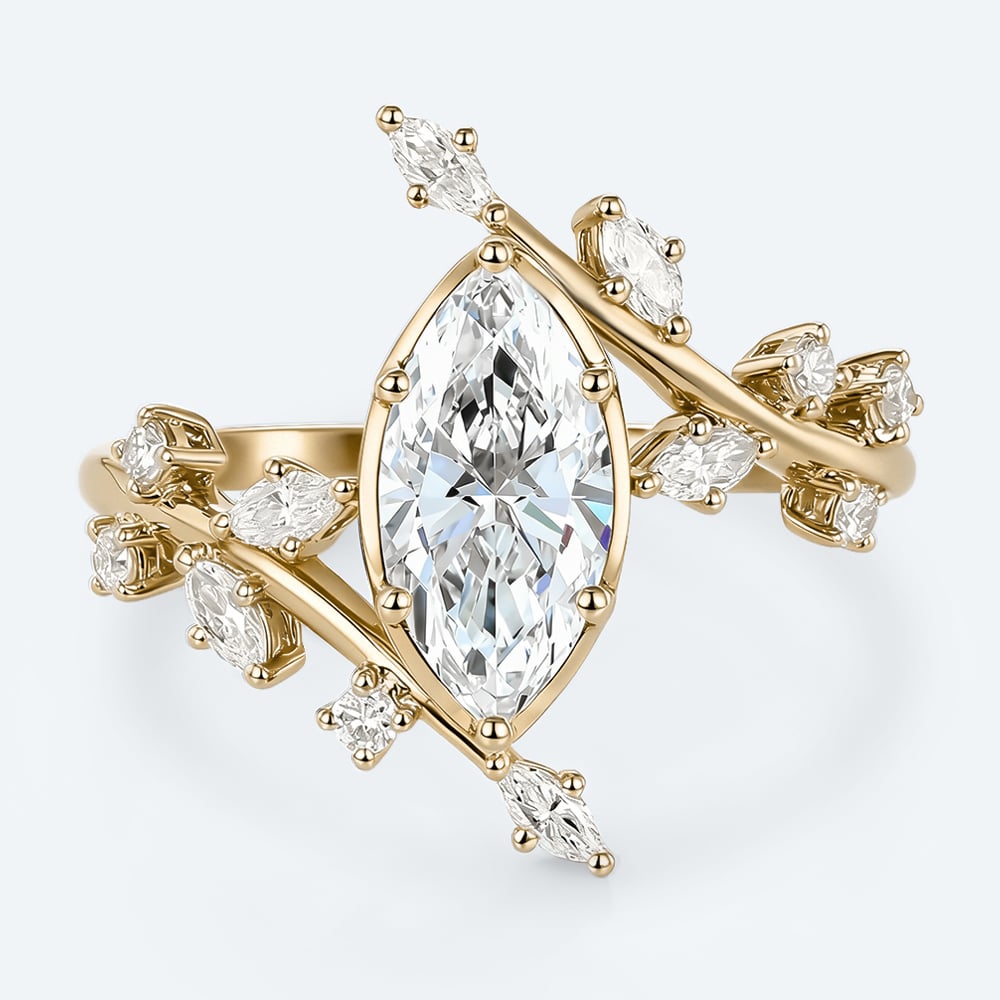
1. Marquise Moves from Comeback to Modern Signature
The marquise diamond has spent several seasons returning to view. In 2027, it may move beyond the idea of a temporary comeback and become a more established alternative to oval and pear shapes.
Its pointed, elongated outline creates a strong visual line across the finger. Depending on its proportions, a marquise can appear romantic and vintage-inspired or clean and highly contemporary.
It also works with a wide range of settings:
- A minimal six-prong solitaire
- A floral or nature-inspired basket
- An east-west bezel
- A three-stone setting
- A cluster of smaller accent diamonds
- A curved or twisted gold band
Industry reporting in 2026 identified marquise diamonds as one of the fancy shapes receiving renewed attention. Marquise designs also fit naturally with LisaJewelryUS’s current emphasis on elongated lab-grown diamond rings and distinctive gold settings.
When comparing marquise diamonds, inspect more than carat weight. Look at the length-to-width balance, outline symmetry, bow-tie visibility, and how securely the setting protects both pointed ends.
2. Oval Evolves Rather Than Disappears
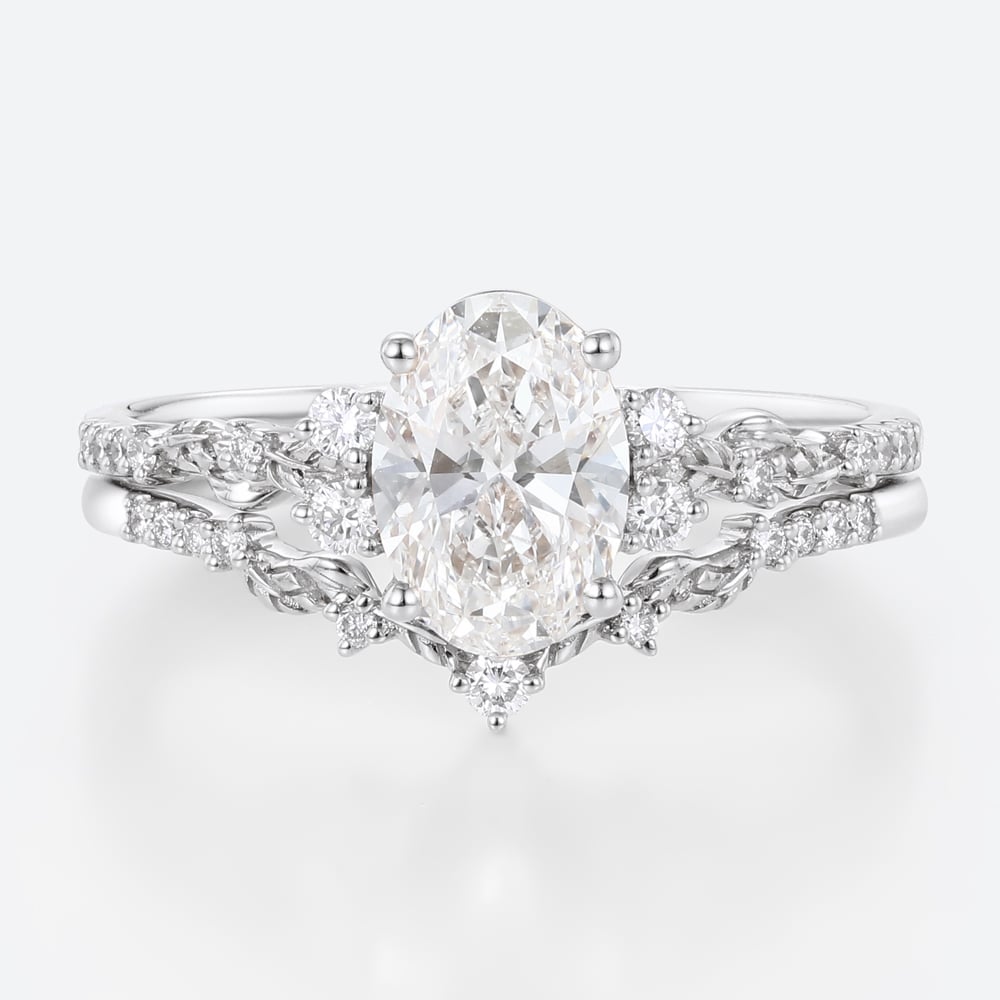
Oval diamonds are unlikely to vanish in 2027. Instead, their settings may become more individual.
The Knot’s 2026 study placed oval and round diamonds at nearly equal levels of popularity among surveyed buyers—25% and 26%, respectively. That position suggests oval has developed beyond a short-lived trend and entered the broader group of modern classic shapes.
The next version of the oval engagement ring may feature:
- A more substantial gold band
- Compass or six-prong placement
- Marquise or pear-shaped side stones
- A twisted or vine-inspired shank
- A partial bezel
- Mixed-metal prongs
- A low-profile basket
- A more carefully planned wedding-ring pairing
The oval itself does not need to change dramatically. Updating the setting, proportions, and surrounding details can give the familiar silhouette a more personal identity.
Oval diamonds vary considerably in length-to-width ratio and bow-tie appearance. Rather than searching for one “perfect” number, compare videos, face-up measurements, and complete ring proportions to decide which outline suits the wearer.
3. Elongated Cushions Bring a Softer Vintage Mood
Elongated cushion cuts combine the length of an oval or radiant with the softened corners of a traditional cushion. They can offer a romantic alternative for someone who likes an elongated silhouette but prefers less pointed geometry.
In 2027, interest in this shape is likely to overlap with a wider return to antique-inspired design. Some shoppers are drawn to broad facets, softer outlines, and sparkle patterns that feel different from the precise appearance of many modern brilliant cuts.
However, it is important to distinguish among:
- Genuine antique diamonds
- Modern natural diamonds cut in an antique-inspired style
- Lab-grown diamonds cut in an old-mine-inspired or elongated cushion shape
A newly cut lab-grown diamond can reference an antique silhouette without being an antique stone. Clear wording helps the buyer understand both the diamond’s origin and its design inspiration.
Elongated cushions can work especially well in yellow-gold solitaires, bezel settings, three-stone rings, and Art Deco-inspired designs. Because cushion outlines vary widely, review the actual measurements and corners rather than relying only on the shape name.
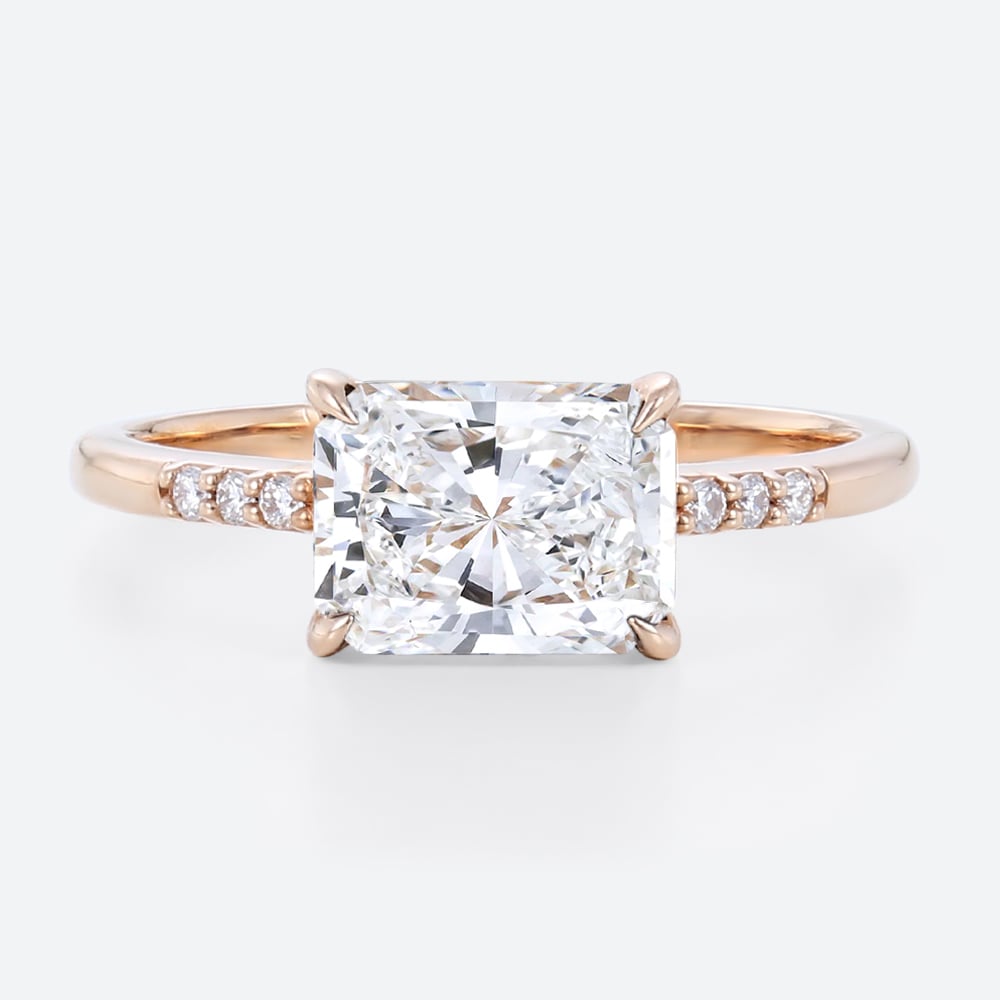
4. East-West Settings Turn Familiar Shapes Sideways
An east-west engagement ring places an elongated diamond horizontally across the finger rather than positioning it from north to south.
The orientation can transform a familiar shape without changing the stone itself. Emerald, marquise, oval, radiant, and elongated cushion diamonds are all potential candidates, depending on the proportions and setting construction.
East-west designs are particularly compatible with:
- Full or partial bezels
- Substantial gold bands
- Low-profile settings
- Modern solitaires
- Asymmetrical accent stones
- Clean architectural details
Recent jewelry trend reporting has continued to identify east-west settings as a direction to watch, particularly for buyers who want a recognizable diamond shape presented in a less conventional way.
An east-west setting does not automatically make a diamond look larger. Instead, it changes the visual balance of the ring by emphasizing width across the finger. The perceived size still depends on the diamond’s measurements, shape, and surrounding metal.
Wedding-band compatibility should also be considered. Some east-west settings can sit comfortably beside a straight band, while others may need a curved or custom-contoured partner.
5. Geometric Shapes Remain a Niche Worth Watching
Kite, hexagon, long hexagon, shield, and other geometric diamonds are unlikely to become the most common engagement ring choices in 2027. However, they represent an important design-forward niche.
These shapes appeal to shoppers who prefer:
- Strong symmetry
- Architectural lines
- Art Deco references
- Alternative center stones
- Less conventional engagement-ring silhouettes
A geometric diamond may be enough to define the entire design, so the setting often works best when it supports rather than competes with the outline. A clean bezel, restrained side stones, or a simple gold band can preserve the shape’s visual impact.
For LisaJewelryUS, geometric shapes also provide a natural connection between the Lab-Grown Diamonds, Art Deco, and Custom shopping paths. Current shape navigation already includes options such as kite, hexagon, and long hexagon, making this a relevant brand-specific trend rather than a purely editorial prediction.
2027 Engagement Ring Metal Trends
Metal influences more than color. It changes the overall contrast of the diamond, the visual weight of the setting, and how easily the engagement ring coordinates with everyday jewelry.
The 2027 metal story is likely to center on yellow gold, while mixed-metal details give shoppers a more flexible way to personalize familiar designs.
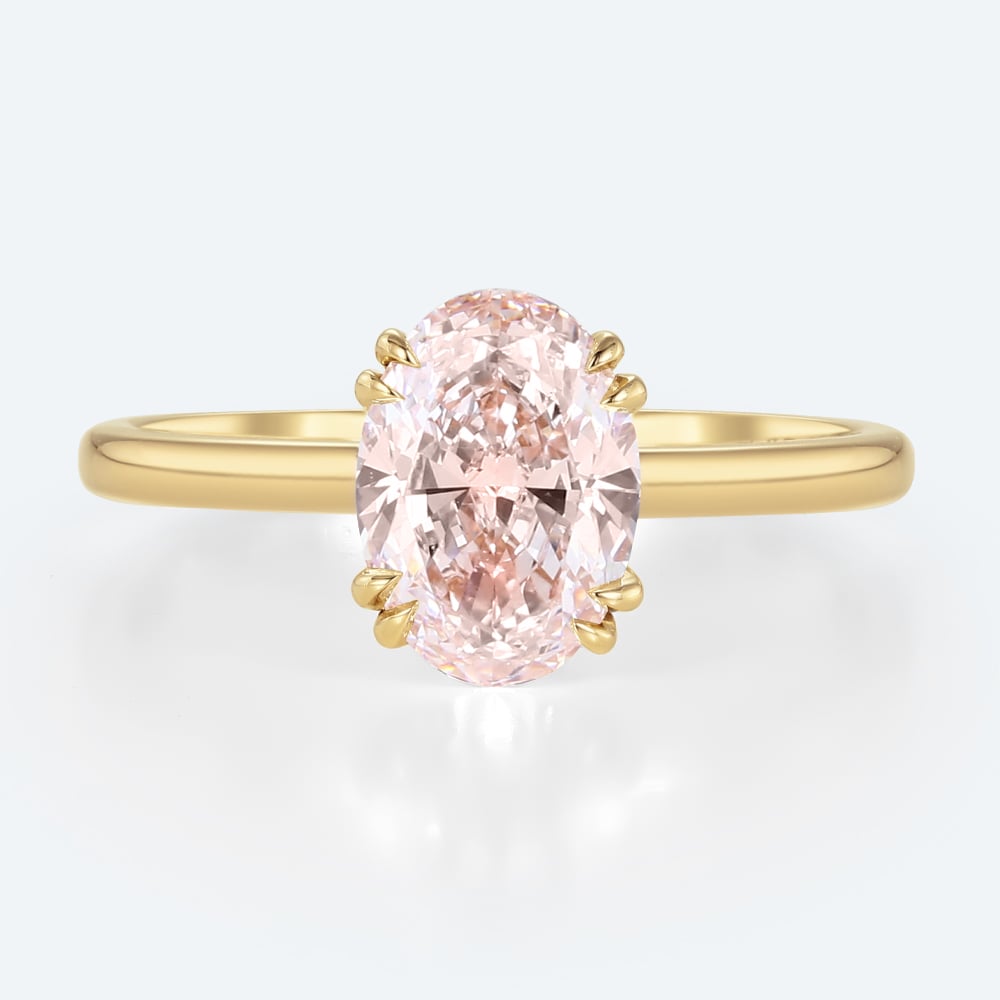
6. Yellow Gold Becomes a Foundation, Not a Passing Trend
Yellow gold is no longer simply a nostalgic alternative to white metal. It has regained a strong place in modern bridal jewelry and is likely to remain important throughout 2027.
In The Knot’s 2026 research, yellow gold represented 39% of engagement-ring metal choices among surveyed purchasers. Industry reporting has also connected its continued rise with vintage-inspired settings, warmer styling, and interest in more substantial gold bands.
Yellow gold can create different effects depending on the design:
- With a colorless diamond, it produces a warmer overall palette.
- With a yellow lab-grown diamond, it can create a coordinated tonal appearance.
- With a pink diamond, it offers a richer contrast than some cooler metals.
- In a vintage-inspired setting, it emphasizes milgrain, engraving, and sculptural details.
- In a modern solitaire, it can make a minimal design feel more visually substantial.
Choosing between 10K, 14K, and 18K gold should not be based on trend alone. Gold purity can affect color, price, composition, and wear characteristics. The most appropriate option depends on the design, budget, lifestyle, and available product specifications.
7. Mixed Metals Add Contrast Without Overcomplicating the Ring
Mixed-metal engagement rings offer a subtle way to personalize a design while keeping the overall silhouette familiar.
One of the most practical combinations is a yellow-gold band with white-gold prongs or a white-metal basket. This preserves the warmth of the yellow-gold shank while allowing the prongs to visually blend more closely with a colorless center diamond.
Other possibilities include:
- A white-gold setting on a yellow-gold band
- Rose-gold details around a pink center stone
- A two-tone twisted band
- A white-gold engagement ring paired with a yellow-gold wedding band
- Contrasting metal in the gallery or hidden halo
The effect does not need to be dramatic. A small metal contrast can provide enough distinction to make a classic solitaire feel more considered.
Mixed metals can also make future stacking more flexible, particularly for someone who already combines white, yellow, and rose gold in her everyday jewelry. However, not every ring is available in a two-tone configuration. If a preferred design does not offer mixed metals as a standard option, it may need to be discussed through the custom design process.
The Ring Details Likely to Define 2027
If diamond shape establishes the first impression of an engagement ring, its smaller construction details determine how personal the design feels. In 2027, settings are likely to become more intentional: prongs may be repositioned, bands may gain visual weight, and vintage or nature-inspired elements may be used more selectively.
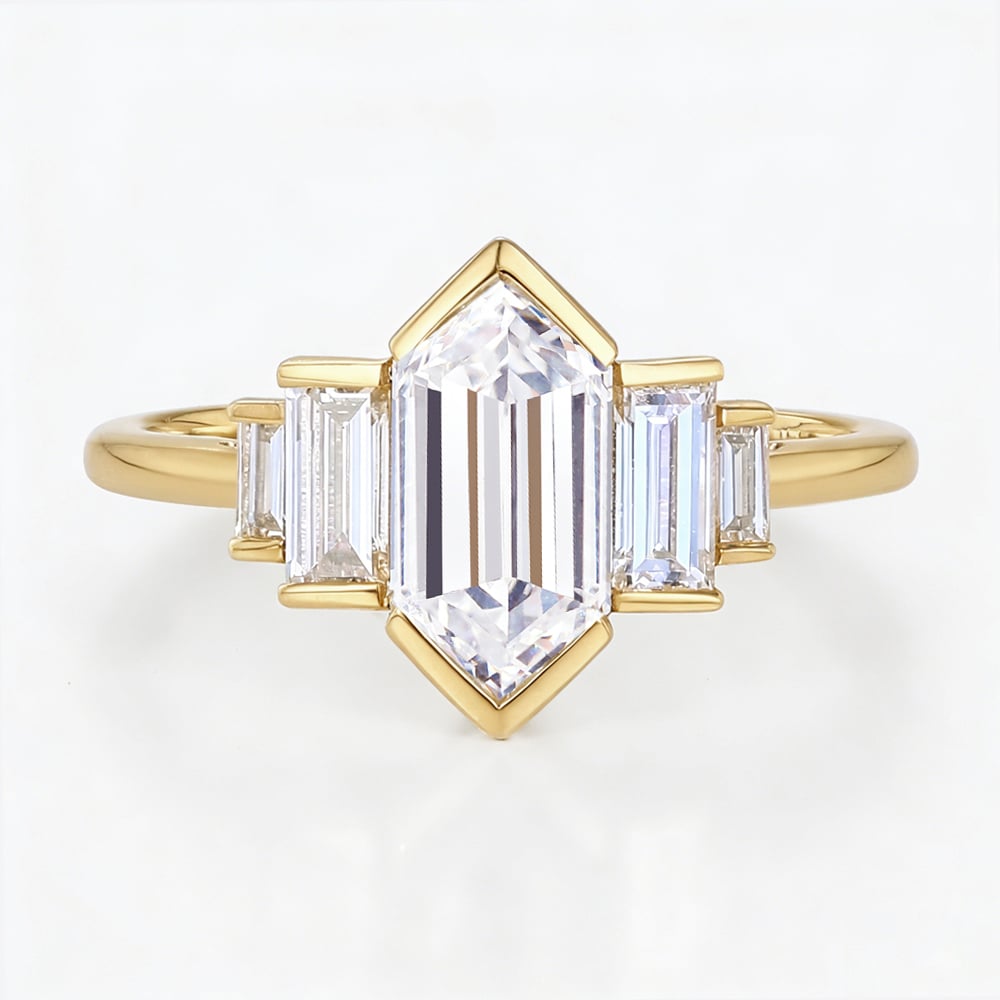
8. Bezels and Semi-Bezels Balance Clean Lines with Coverage
A full bezel surrounds the diamond with a continuous rim of metal, while a semi-bezel holds only part of the stone’s perimeter. Both create a cleaner, more architectural appearance than a traditional open-prong setting.
Bezel-style settings may appeal to someone who prefers:
- Smooth, modern lines
- A lower-profile silhouette
- Less exposed diamond edge
- A more substantial metal presence
- An engagement ring that does not resemble a conventional solitaire
Oval, round, emerald, marquise, radiant, and elongated cushion diamonds can all work in bezel-inspired designs, although the setting must be constructed for the specific outline.
Bezel settings can cover more of a diamond’s edge than open prongs, but they should not be described as universally damage-proof. Security depends on the craftsmanship, metal thickness, stone shape, and condition of the setting. Pointed diamonds, including pear and marquise shapes, still require careful attention at their tips.
Recent industry reporting has identified bezel and semi-bezel settings as continuing areas of interest, often paired with wider gold bands or east-west orientations.
9. Bands Become More Sculptural and Intentional
Ultra-thin bands are not disappearing, but they are no longer the only route to a refined engagement ring. Slightly wider, tapered, twisted, and organically curved bands are likely to become more visible in 2027.
The band may incorporate:
- A gentle taper toward the center diamond
- A soft knife-edge profile
- Twisted or interwoven gold
- Vine- or branch-inspired curves
- Subtle asymmetry
- Pavé concentrated around the center stone
- A polished and brushed finish combination
- A split or open-shank construction
These details allow the setting itself to contribute to the design rather than acting only as a support for the center diamond.
A wider band does not automatically look heavy, just as a narrow band is not automatically fragile. Appearance and wearability depend on the band’s width, thickness, taper, interior profile, gold composition, and proportion relative to the center stone.
LisaJewelryUS already emphasizes twisted, nature-inspired, cluster, side-stone, and Art Deco styles, making sculptural bands one of the strongest connections between the 2027 forecast and the brand’s current assortment.
10. Vintage Details Return in Smaller, More Wearable Ways
Vintage-inspired engagement rings are likely to remain relevant, but the most wearable versions may not reproduce every detail of a historical ring. Instead, a modern design might borrow one or two recognizable elements.
Details to watch include:
- Double-claw prongs
- Milgrain borders
- Floral baskets
- Geometric Art Deco accents
- Engraved shoulders
- Antique-inspired side stones
- Petal-shaped clusters
- Old-mine-inspired center diamonds
A modern solitaire with double-claw prongs can offer a subtle vintage reference. An elongated cushion with a milgrain bezel creates a stronger period influence, while a geometric gallery can bring Art Deco structure to an otherwise simple ring.
The distinction between “antique” and “antique-inspired” is important. A newly produced ring or newly cut lab-grown diamond may reference an older aesthetic, but it should not be presented as a genuine historical antique.
For someone concerned about longevity, selective vintage details can be easier to wear than a highly ornate reproduction. The ring retains a sense of history without requiring every surface to include engraving, pavé, or decorative metalwork.
11. Hidden Details Make Personalization More Private
Not every personalized feature needs to be visible from across the room. Hidden details allow a ring to carry private meaning while preserving a clean face-up appearance.
Possible details include:
- A hidden halo beneath the center diamond
- A small colored accent stone inside the gallery
- A date or short engraving inside the band
- A meaningful number of side stones
- Compass-oriented prongs
- A floral or initial-inspired basket
- A birthstone placed beneath the center setting
- A custom bridge connecting the ring’s shoulders
The strongest hidden details usually reinforce the ring’s story without interfering with comfort or future maintenance.
Availability depends on the construction of the setting. A narrow band may not have sufficient space for a long engraving, and a secret stone or modified gallery may require a custom design rather than a standard product adjustment. These elements should be discussed and confirmed before production.

12. Stack-Aware Design Becomes Part of the Decision
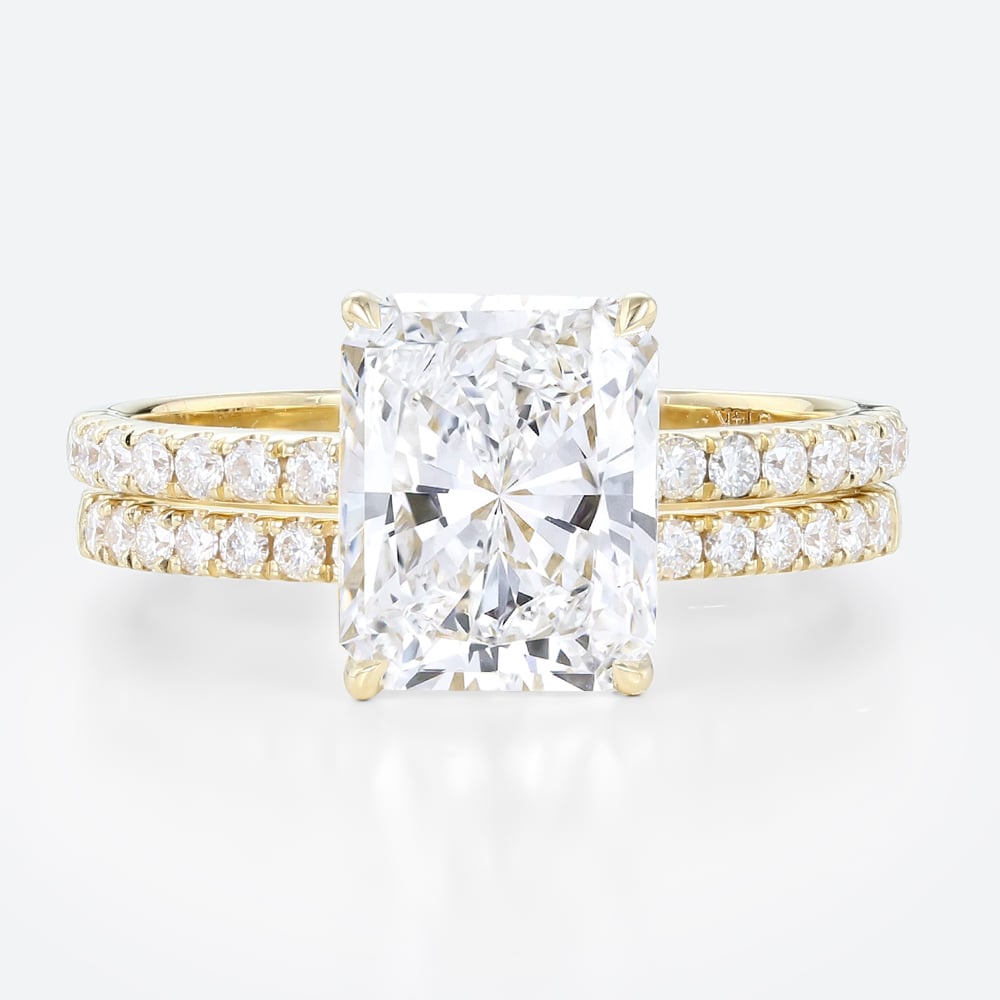
An engagement ring is often selected before the wedding band, but the two pieces eventually need to share the same space on the finger. In 2027, more couples are likely to consider the complete stack earlier in the design process.
Important questions include:
- Can a straight wedding band sit flush with the engagement ring?
- Does the center setting extend far enough above the finger?
- Will a curved or contoured band be required?
- Are the metals and band widths visually balanced?
- Could the rings rub against exposed prongs or pavé?
- Will the wearer eventually add an anniversary band?
A high-profile setting may provide more space for a straight wedding band, while a low-profile basket may create a smaller gap beneath the center stone. Neither option is automatically better. The right profile depends on comfort, aesthetics, setting construction, and the desired wedding-band style.
Bridal sets are one practical solution because the engagement ring and wedding band are planned together. If the rings are purchased separately, side-profile images and exact measurements become particularly useful.
Colored Lab-Grown Diamonds Bring Personality to 2027
Color is likely to become a stronger personalization tool in 2027, even as colorless diamonds remain the broader classic choice.
Colored lab-grown diamonds can shift the emotional character of an engagement ring:
- Pink feels romantic and works with white, yellow, or rose gold.
- Yellow creates warmth and can appear especially cohesive in yellow gold.
- Blue offers a cool, contemporary alternative to a colorless center.
- Green can complement organic, botanical, and unconventional settings.
The choice should extend beyond selecting a favorite color. Consider tone, saturation, lightness, color distribution, and how the diamond appears in different lighting. Gold color and surrounding accent stones can also influence how the center color is perceived.
Laboratory-grown colored diamonds are diamonds produced in a controlled laboratory environment rather than formed naturally beneath the earth. Their laboratory-grown origin should be clearly disclosed, and any included grading report should be reviewed for the diamond’s identity and relevant color information. IGI reports can document laboratory-grown origin along with measurements, shape, carat weight, and other grading characteristics.
Because screens, studio lighting, and image editing can affect perceived color, shoppers should review videos and photographs captured under more than one lighting condition whenever possible.
LisaJewelryUS currently highlights pink, yellow, blue, and green lab-grown diamonds as distinct shopping directions. This makes colored diamonds especially relevant to the brand’s interpretation of the 2027 trends.

How to Choose a Trend Without Letting It Choose for You
An engagement ring may be influenced by the year in which it was designed, but it should not depend entirely on that year’s fashion.
A useful approach is to separate the ring into three decisions.
Love the Foundation
First, choose elements you would want even if they were not trending:
- The center-stone shape
- The primary gold color
- The overall ring profile
- The general level of detail
If you do not genuinely like marquise diamonds, an increase in their popularity will not make one the right choice. The same principle applies to yellow gold, bezels, and wider bands.
Personalize One or Two Features
Instead of combining every trend, select one or two details that support the foundation.
Balanced combinations might include:
- A marquise diamond with a yellow-gold solitaire
- An oval center with a twisted nature-inspired band
- An east-west emerald cut in a partial bezel
- A pink lab-grown diamond in a restrained three-stone setting
- An elongated cushion with double-claw prongs
- A round diamond with a wider mixed-metal band
Limiting the number of focal points helps each design decision feel purposeful.
Test the Practical Side
Before approving the ring, consider:
- Setting height
- Exposed corners or pointed tips
- Prong placement
- Band thickness
- Ring sizing
- Wedding-band compatibility
- Daily activities
- Cleaning and maintenance
A ring is more likely to feel timeless when a trend supports the wearer’s taste and lifestyle instead of replacing them.
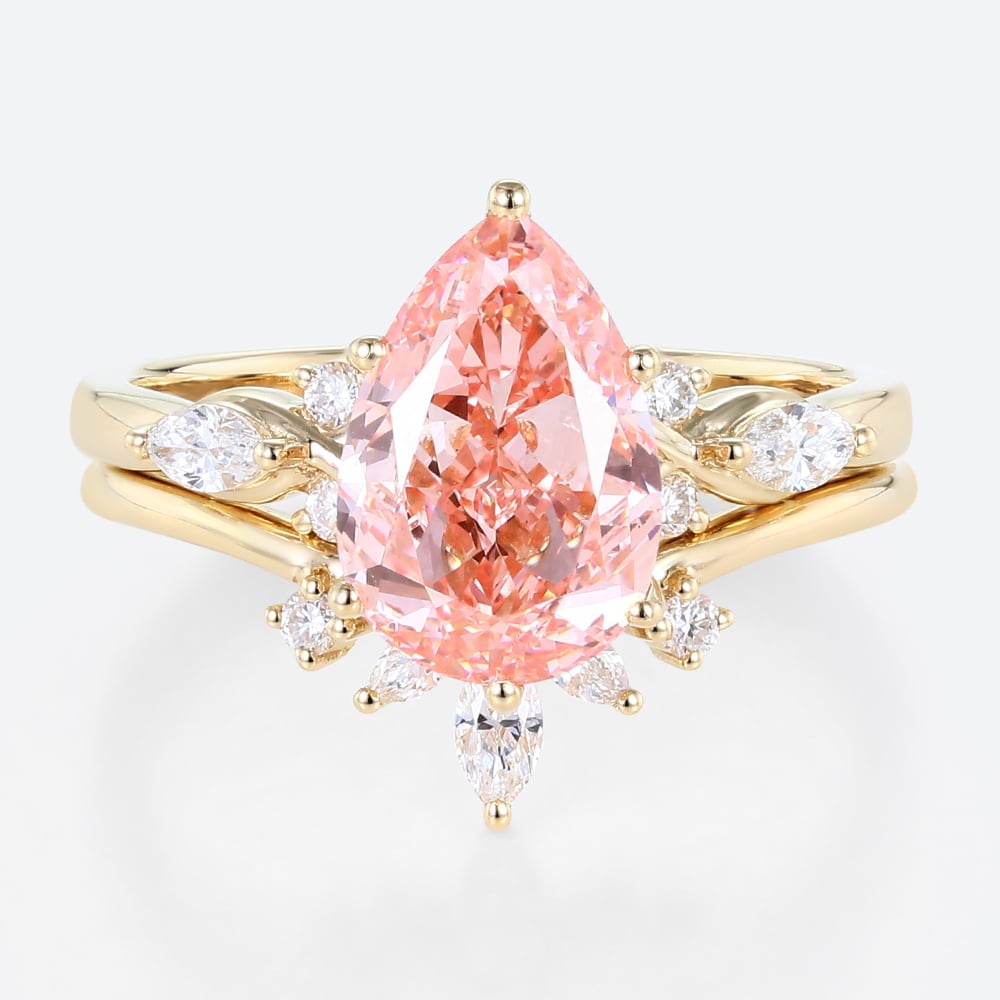
Find Your Version of the 2027 Trends
LisaJewelryUS shoppers can approach the trends according to the design quality that matters most to them.
For an Elongated Look
Explore marquise, oval, pear, radiant, and elongated cushion shapes. Compare actual measurements and length-to-width balance rather than choosing by carat weight alone.
For a Romantic or Organic Design
Look toward twisted, nature-inspired, floral, cluster, and side-stone settings. Yellow or rose gold can reinforce the warmth of these designs.
For a Clean Architectural Style
Consider emerald, Asscher, radiant, kite, hexagon, or long-hexagon shapes. Bezel, east-west, and substantial-band variations may require customization, depending on the available setting.
For a More Expressive Center Stone
Compare pink, yellow, blue, and green lab-grown diamonds. Keep the surrounding setting relatively focused if the diamond color is intended to remain the visual center.
For a Coordinated Bridal Look
Begin with bridal sets or review wedding-band options before finalizing the engagement ring. This can make it easier to plan spacing, contours, metal color, and shared design details.
For a Ring That Does Not Yet Exist
A custom design may allow changes to the diamond shape, carat weight, color, gold tone, setting orientation, side stones, gallery, or matching band.
Customization works best when the initial idea is clear. Begin with the feature that matters most, then build supporting decisions around it rather than adding details without a visual hierarchy.
Final Thoughts: The Future Looks More Personal
The most lasting of the 2027 engagement ring trends may be the freedom to combine a familiar symbol with details that feel entirely your own.
Marquise and elongated diamonds, east-west settings, yellow gold, mixed metals, sculptural bands, bezel accents, vintage references, and colored lab-grown diamonds are all directions to watch. However, no forecast should outweigh personal taste, daily comfort, or thoughtful construction.
The right ring does not need to follow every trend. It only needs to use the elements that make its shape, color, metal, and meaning feel right for the person wearing it.
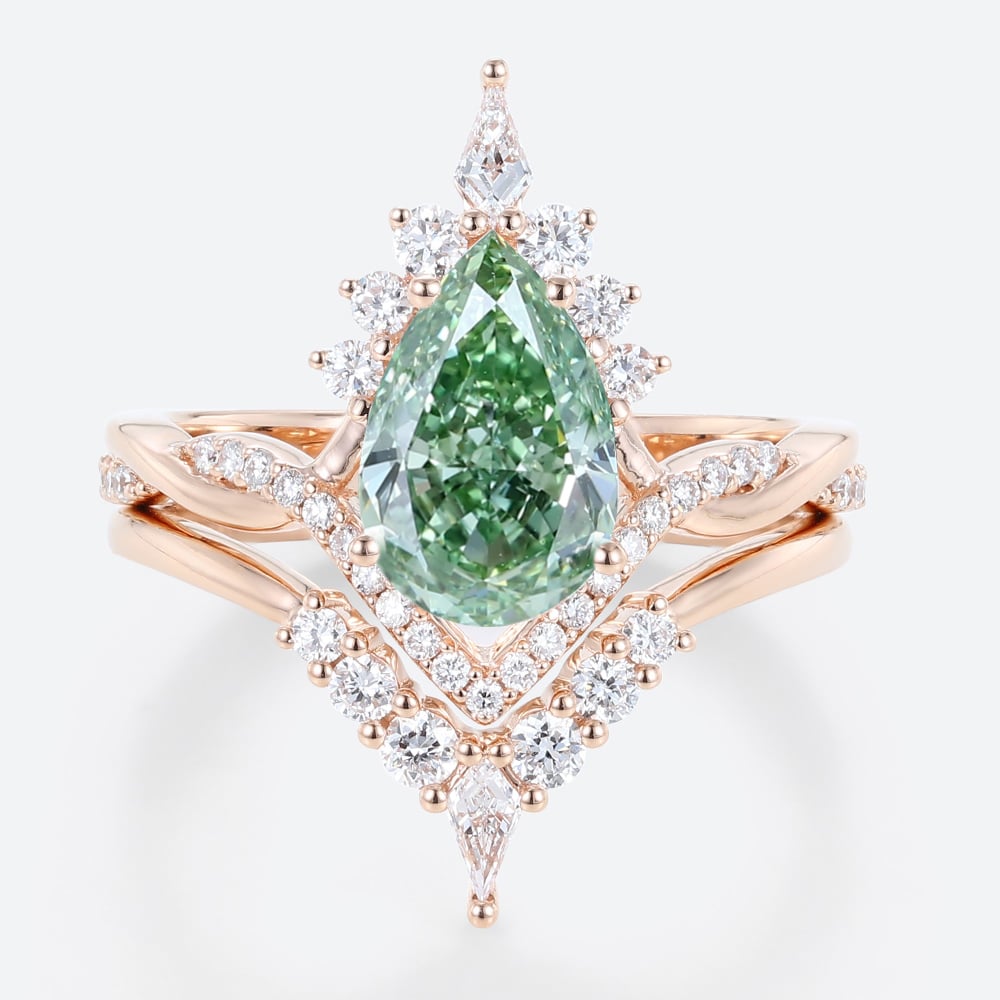
Frequently Asked Questions
What engagement ring shapes will be popular in 2027?
Marquise, oval, elongated cushion, emerald, radiant, and east-west shapes are among the styles to watch. This is a forecast based on trends visible in 2026, not a guarantee that one shape will dominate the year.
Are oval engagement rings going out of style in 2027?
Probably not. Oval diamonds have developed into a modern classic. Their settings may become more individualized through sculptural bands, distinctive prongs, side stones, mixed metals, and lower-profile designs.
Is yellow gold still trending for engagement rings?
Yellow gold is likely to remain important in 2027. It works with classic solitaires, vintage-inspired settings, and colored lab-grown diamonds. White and rose gold remain valid choices for different styles and color preferences.
Will colored lab-grown diamonds be popular in 2027?
Colored lab-grown diamonds are likely to grow as a personalization option, particularly in pink, yellow, blue, and green. However, colorless diamonds are expected to remain the more traditional choice.
Are bezel settings better than prong settings?
Neither is universally better. Bezels provide more metal coverage around a diamond’s edge and create a clean appearance. Prongs expose more of the diamond. The right choice depends on shape, craftsmanship, lifestyle, and design preference.
What is an east-west engagement ring?
An east-west ring positions an elongated center stone horizontally across the finger. Emerald, marquise, oval, radiant, and elongated cushion diamonds may be used, depending on the setting and stone proportions.
Do thicker engagement-ring bands look less elegant?
Not necessarily. A wider band can appear refined when its width, taper, profile, and center stone are well proportioned. It may also create a stronger sculptural or architectural look.
Should an engagement ring follow current trends?
A trend can provide inspiration, but the ring should primarily reflect the wearer’s style and lifestyle. Choose a foundation you genuinely love, then personalize it with one or two current details.